Perry’s Siding, Slocan Valley. KCP Photo
Collaborate | Strengthen | Steward | Conserve
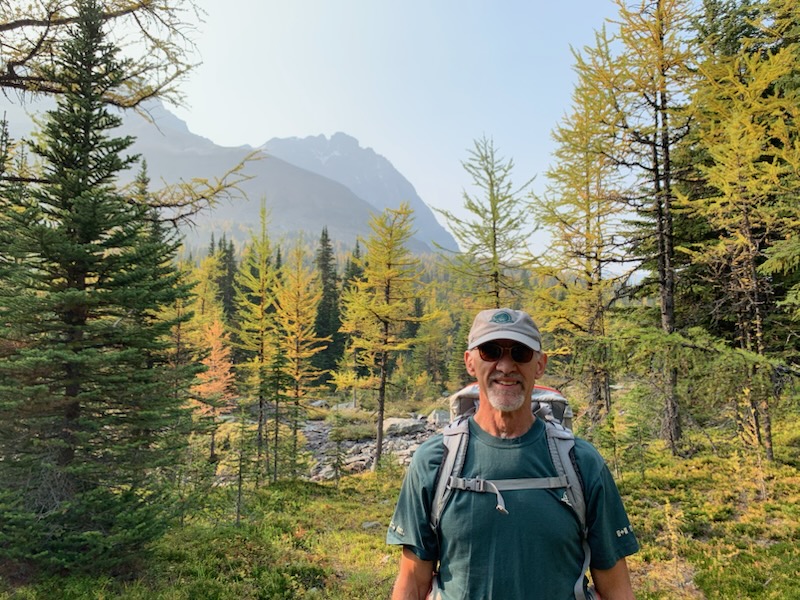
Message from the Chair
The 2025/26 year marked another successful year for Kootenay Conservation Program. With the ongoing support of our funders, and working with dedicated partners across the region, we facilitated opportunities for land conservation and stewardship while strengthening connections among communities and organizations, building knowledge and capacity. Through gatherings, workshops, field tours, and webinars, we once again brought our incredible conservation partnership together—creating spaces for collaboration, shared learning, and meaningful dialogue, leading to action-oriented solutions that will achieve our shared conservation vision for the Kootenays.
Highlights of 2025/26 include:
As always, we are sincerely thankful for the many individuals and organizations that form the KCP partnership and contribute to collaborative conservation efforts across the region. Their knowledge, dedication, and shared commitment continue to advance important work to protect and steward the landscapes we all value.
On behalf of the KCP Board and the broader partnership, I would also like to extend our appreciation to the KCP team—Juliet Craig, Marcy Mahr, Kendal Benesh, and Megan Jamison—for their ongoing professionalism and enthusiasm. Their dedication to KCP’s mission and partnership initiatives is greatly appreciated.
Finally, our shared vision would not be achievable without the continued support of our funding partners, for which we are deeply grateful. We also extend sincere thanks to The Nature Trust of BC for their longstanding role as KCP’s fiscal sponsor. Their support over the years has been an essential part of the partnership’s success.
Derek Petersen
Chair, Kootenay Conservation Program
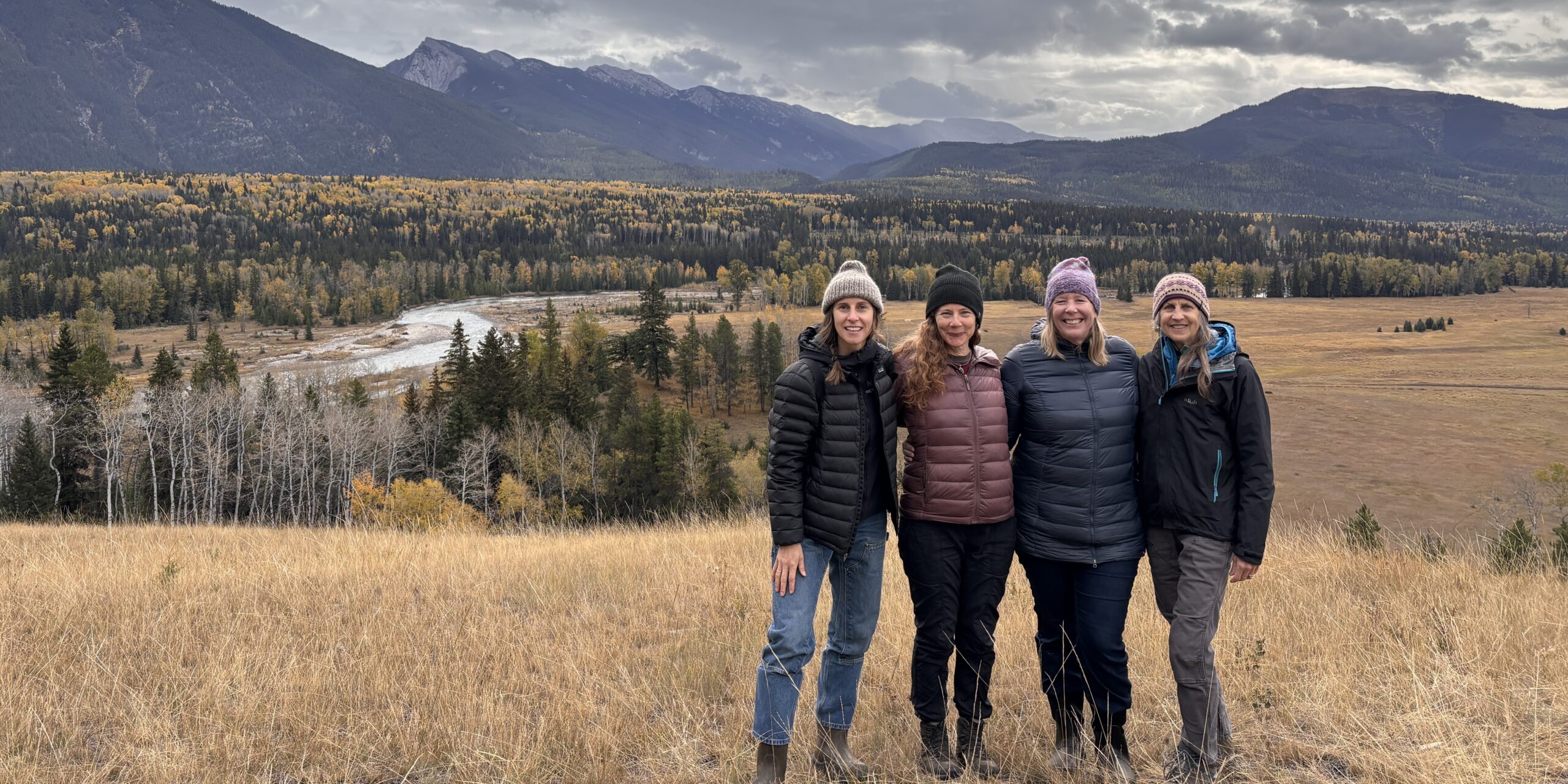
KCP respectfully acknowledges that our work and lives are situated in the traditional, ancestral, and unceded territories of the Ktunaxa, Secwépemc, Sinixt and Syilx Okanagan peoples who have stewarded this land, water and all living things since time immemorial, and whose values and cultures continue to inspire and guide stewardship of this region. We are committed to learning, sharing, and deepening relations with First Nations, and endeavor to support Indigenous-led conservation priorities and initiatives as we work collaboratively towards a shared future of stewardship and conservation.
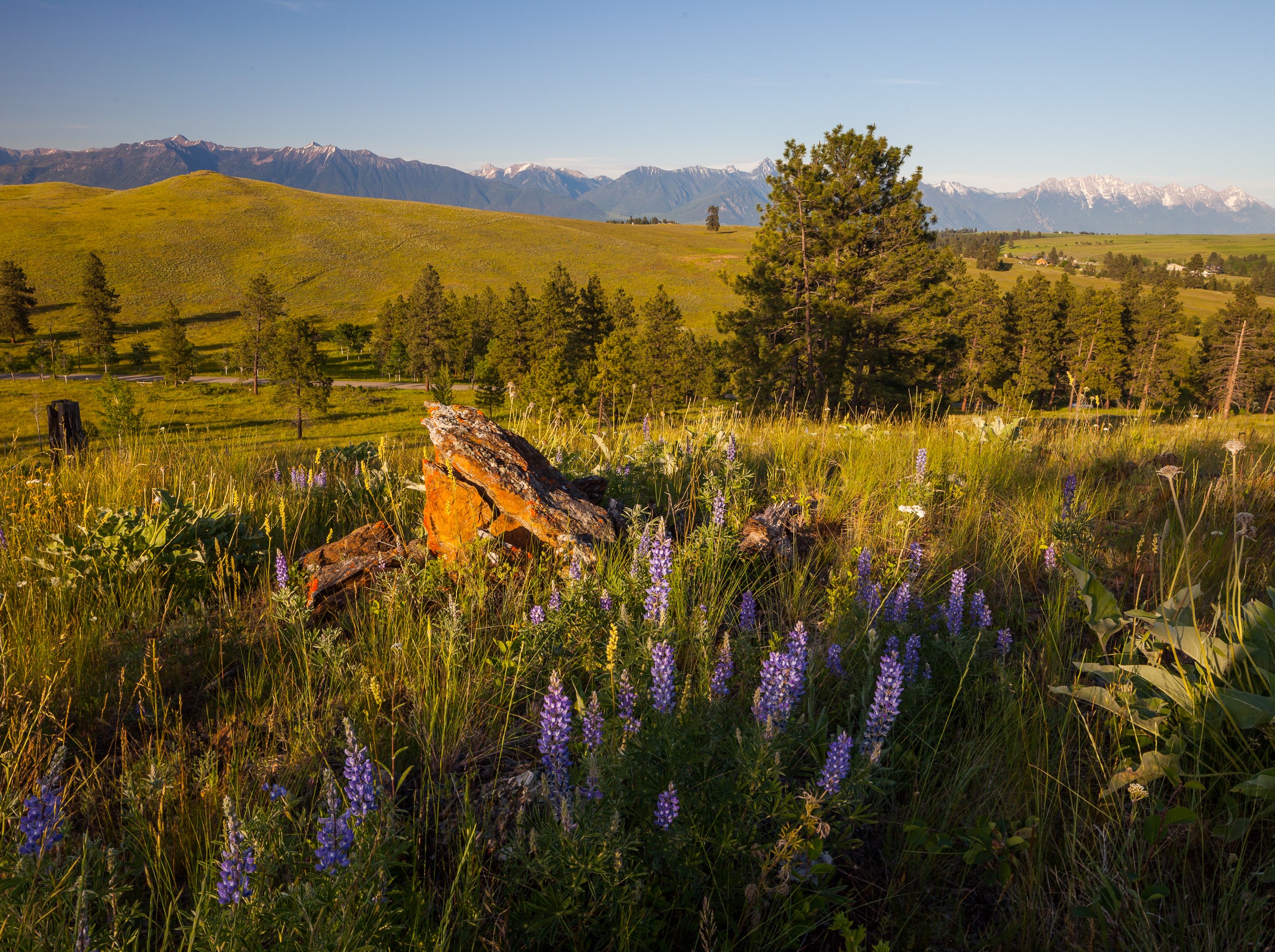
GRASSLANDS WITH NATIVE PLANTS IN THE WYCLIFFE WILDLIFE CORRIDOR, NTBC. GRAHAM OSBORNE PHOTO.
About KCP
Kootenay Conservation Program (KCP) is a broad partnership of over 95 land and water conservation and stewardship groups, First Nations, other government agencies, agricultural producers, and educational institutions working throughout the East and West Kootenays. The partnership seeks to cooperatively conserve the biological diversity and naturally functioning ecosystems of the region through land conservation and stewardship while sharing knowledge and expertise, building financial support, and promoting collaboration.
Human activities and climate change continue to place increasing pressure on wildlife habitat and rare ecosystems, disrupting wildlife movement corridors and accelerating biodiversity loss. Across the Kootenays, important habitats occur throughout the region, with valley bottoms supporting the greatest diversity of ecosystems and species. A significant portion of these key areas lies on private land. There remains a meaningful opportunity to advance private land conservation and stewardship in the Kootenays to protect and enhance these habitats while maintaining vital landscape connectivity as the impacts of climate change intensify.
The foundation of the KCP partnership is a common approach to land conservation, achieved through KCP’s strategic priorities. Our Strategic Priorities 2024-2029 are situated within a ‘one river, one watershed’ approach. Using a whole landscape philosophy, KCP promotes conservation in the region through the following four goals:
- 1
Promote collaboration amongst an engaged network of conservation partners.
- 2
Share technical knowledge and build financial tools for partners to undertake land conservation and stewardship activities.
- 3
Increase the effectiveness and coordination of stewardship activities taking place in the Kootenays.
- 4
Increase the effectiveness, collaboration and coordination of private land conservation.
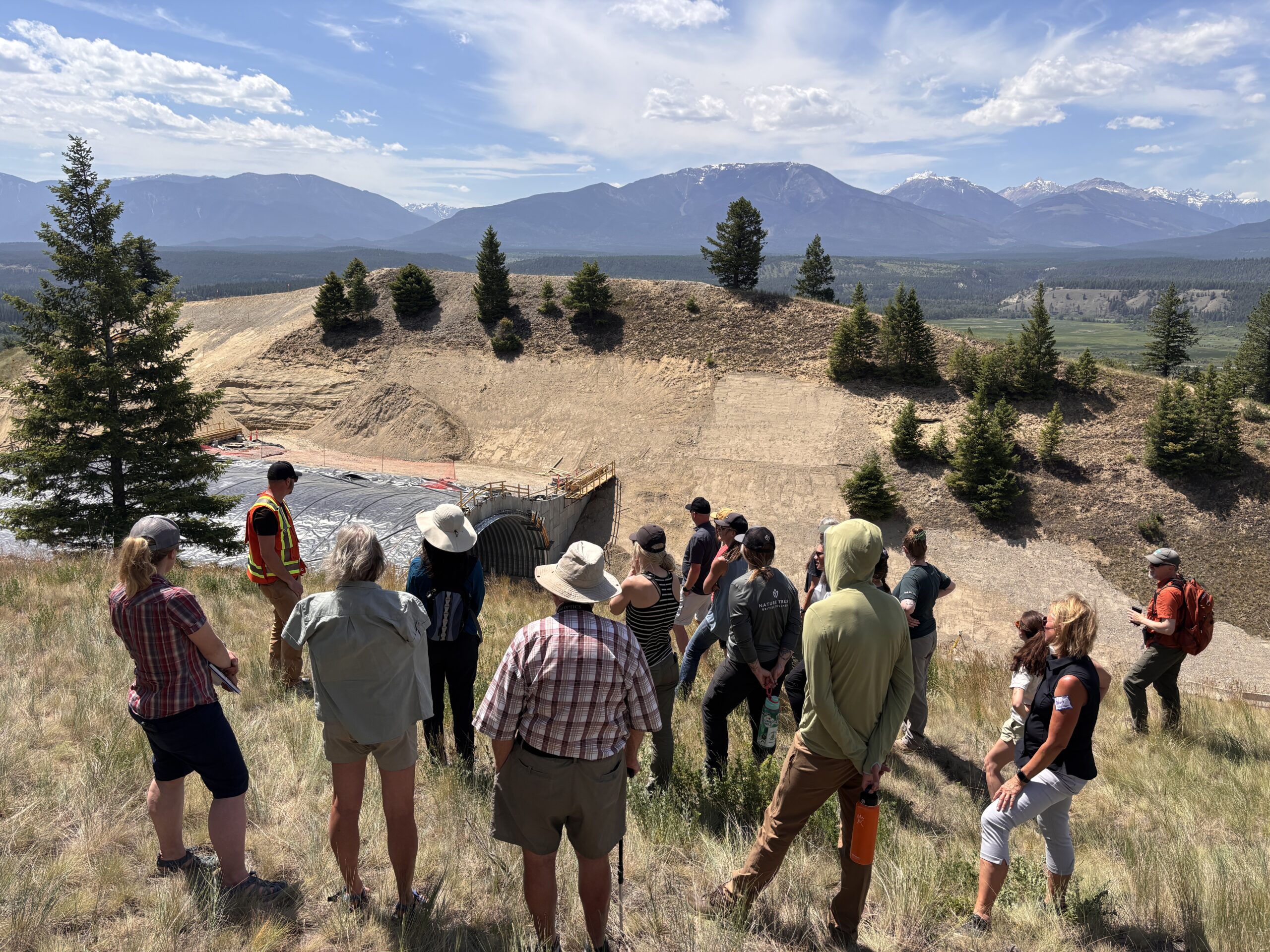
SPRING FIELD TOUR OF THE EAST KOOTENAY STEWARDSHIP COMMITTEE, RADIUM WILDLIFE OVERPASS.

Goal 1 – Collaborate
Promote collaboration amongst an engaged network of conservation partners.
KCP acknowledges that conservation in the Kootenays is taking place within the traditional and unceded territories of four First Nations whose traditional laws and practices continue to guide stewardship of this region. KCP is regarded as an important regional network capable of bringing diverse perspectives and partners together to support conservation initiatives and form a cohesive conservation community. KCP supports the principles of reconciliation in order to build relationships between Indigenous and non-Indigenous partners in the Kootenays. KCP also works beyond its boundaries to bring resources, knowledge and skills into the Kootenay region.
Annual Fall Gathering and AGM
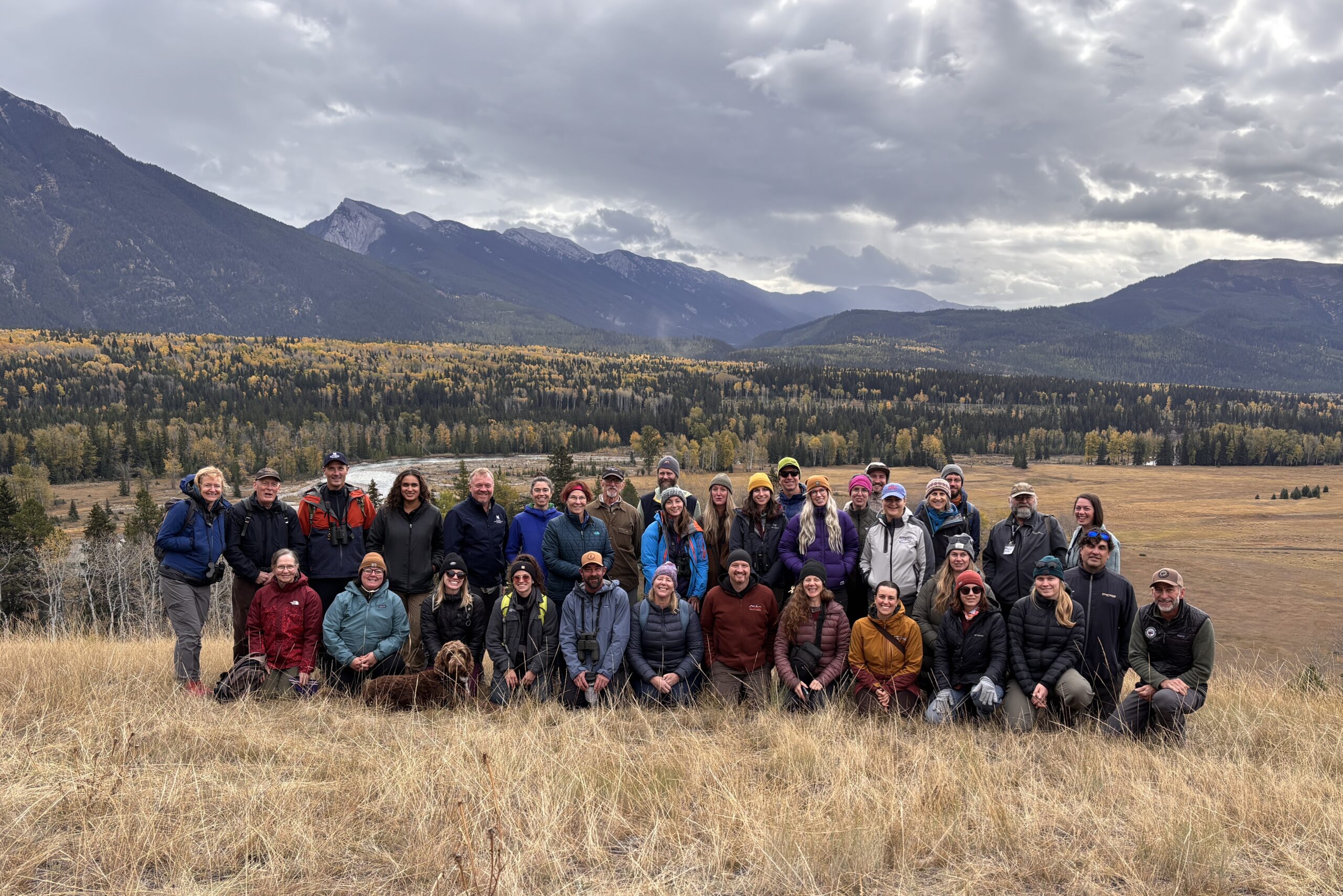
KCP’s annual Fall Gathering and AGM serves as one of the primary opportunities to connect and re-connect KCP partners from across the region. In October 2025, over 100 individuals from 30+ organizations attended the event in Fernie on the theme of “Rivers to Ridges: Fostering Connections for Conservation” where we highlighted the power of partnerships and collaboration in the ongoing conservation of Qukin ʔamakʔis, meaning “Raven’s Land” and also known as the Elk Valley. The event was hosted in partnership with Yaq̓it ʔa·knuqⱡi’it First Nation and included panel presentations on the themes of Qukin ʔamakʔis connectivity, an exploration of how Indigenous knowledge, scientific research, and government frameworks can work together to enhance wildlife stewardship and landscape connectivity, and collaborative efforts to restore riparian ecosystems and enhance watershed connectivity and fish habitat. The event was followed by a field tour to visit conservation lands in the Elk Valley, featuring collaborative restoration and stewardship efforts at The Nature Trust of BC’s Big Ranch Conservation Complex and Nature Conservancy of Canada’s Morrisey Meadows property.
Network News
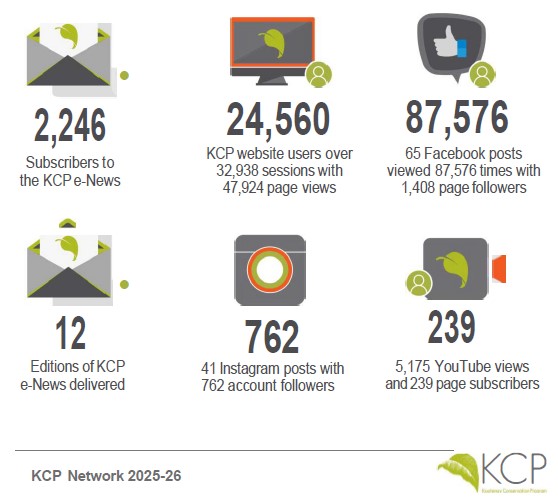
KCP continued to stay connected with partner organizations by maintaining a central hub of conservation news and resources through our website and monthly e-newsletter. Our e-News is distributed to over 2,240 recipients across the region and continues to feature our monthly “Faces & Places” spotlight to showcase KCP partners and their current projects and innovations. The KCP Facebook page, which has grown to over 1,400 followers, is an effective channel for promoting KCP partner events and initiatives to a Kootenay-wide online audience. KCP also has an active YouTube channel and Instagram account, which continue to grow in subscribers and followers.
KCP’s website is regularly maintained to includes up to date information on KCP’s many conservation initiatives in the region. The website features KCP’s Strategic Priorities, a latest news page, and a resources section for KCP publications, webinars, training videos, and more.
Workshop & Special Presentations
KCP partnered with Elk River Alliance to co-host a special workshop on overcoming the technical challenges of riparian restoration in the East Kootenay. The event was attended remotely and in-person by 22 restoration specialists and others involved in land stewardship to share knowledge, ideas, success stories, and lessons learned in the field. The workshop focused on soil conditions, planting techniques, and challenges such as animal browsing and plant competition, and resulted in a Knowledge Sharing Document that was shared with workshop participants and may be updated following subsequent workshops.
Marcy Mahr, Kootenay Connect Manager, delivered a special presentation on Kootenay Connect Priority Places at the Canadian Ecological Connectivity Conference in Banff, Alberta, engaging a broad international audience on the huge impact the project has made in the Kootenay Region.
Critter Day
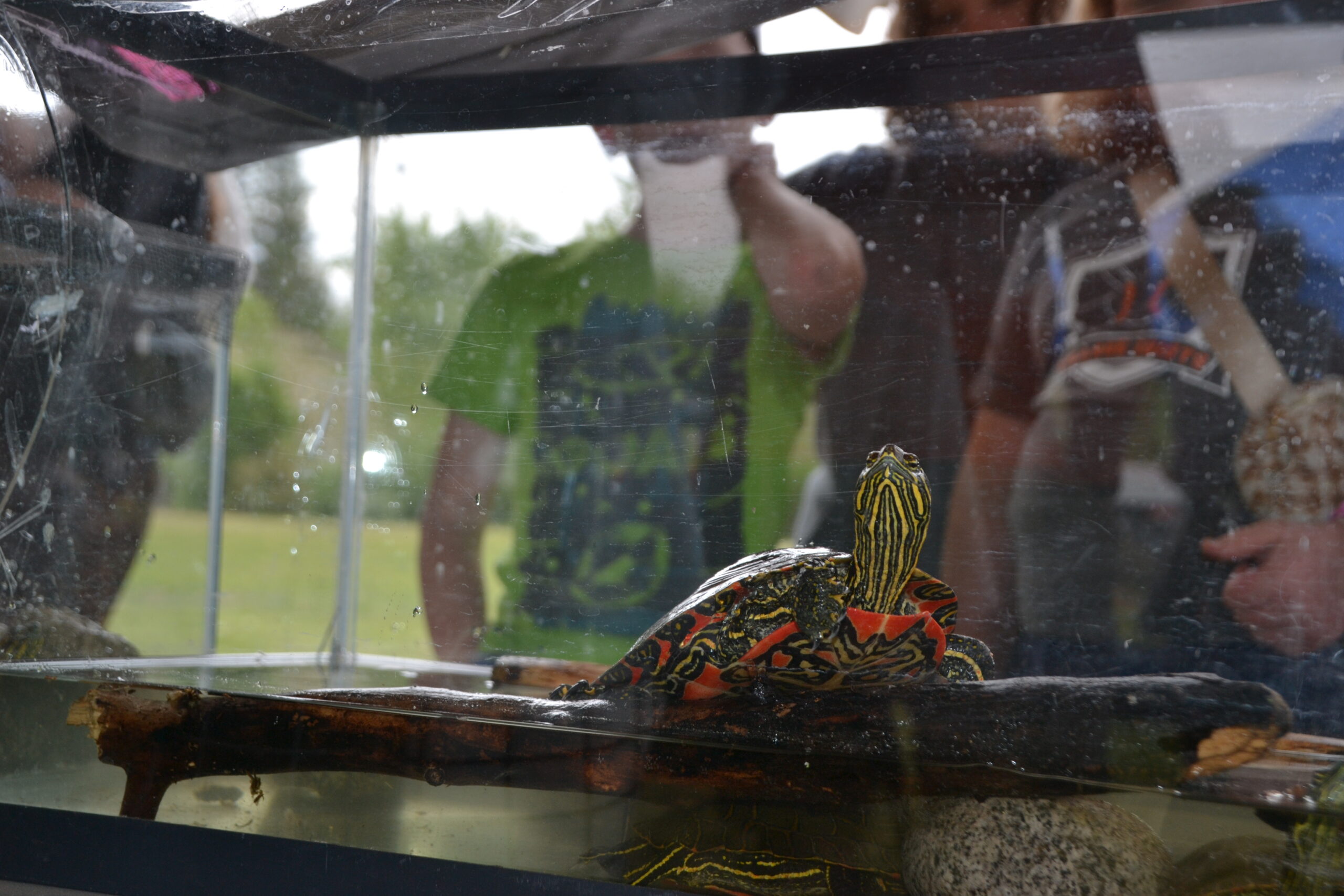
Critter Day gave visitors an opportunity to see a variety of live species, such as the at-risk western painted turtle, and learn all about them. KCP photo
KCP co-hosted Critter Day in May of 2025 with the Fish and Wildlife Compensation Program and the Trail Wildlife Association at Beaver Creek Provincial Park near Trail. This free, fun family event for the general public is aimed to increase awareness of the special ecosystems in the Trail and Pend d’Oreille region, share information about the unique and at-risk plants and animals that call these ecosystems home, and educate the general public and landowners on the importance and fragility of the habitat in the area. Critter Day was huge success with a record 1,107 people engaging with the over 15 organizations who had educational materials, activities for adults and children, and live species to look at including western skinks, western painted turtles, and juvenile sturgeon.
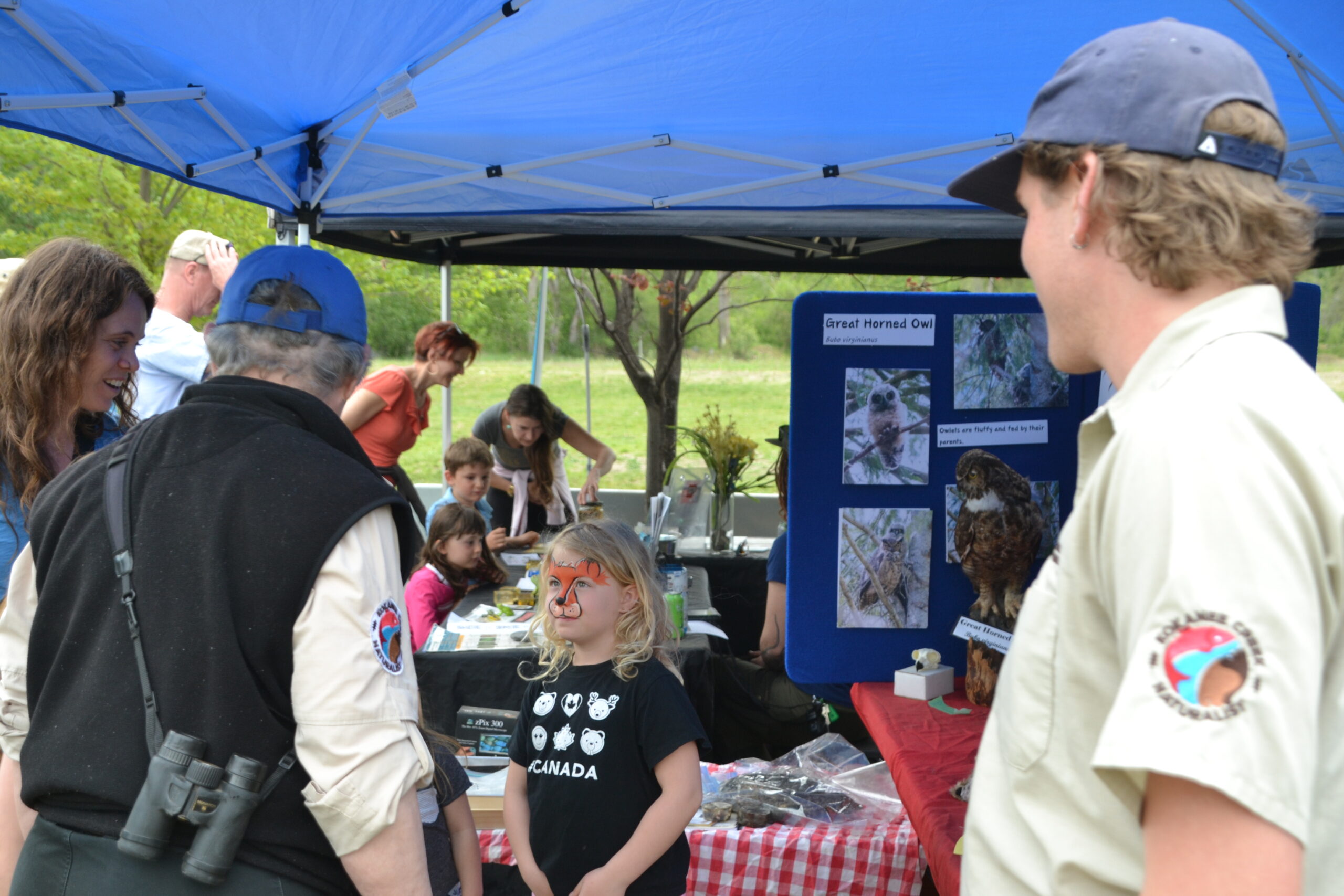
Adults and children alike interacted with staff and volunteers of local organizations, including Kokanee Creek Nature Centre pictured here. KCP photo
Celebrating Conservation Leadership
Each year, KCP awards an annual Conservation Leadership Award to showcase some of the outstanding work being done in conservation in our region. In the East Kootenay, the 2025 honours went to John Bergenske with Wildsight, and for the West Kootenay, to Gregoire Lamoureaux with Slocan River Streamkeepers.
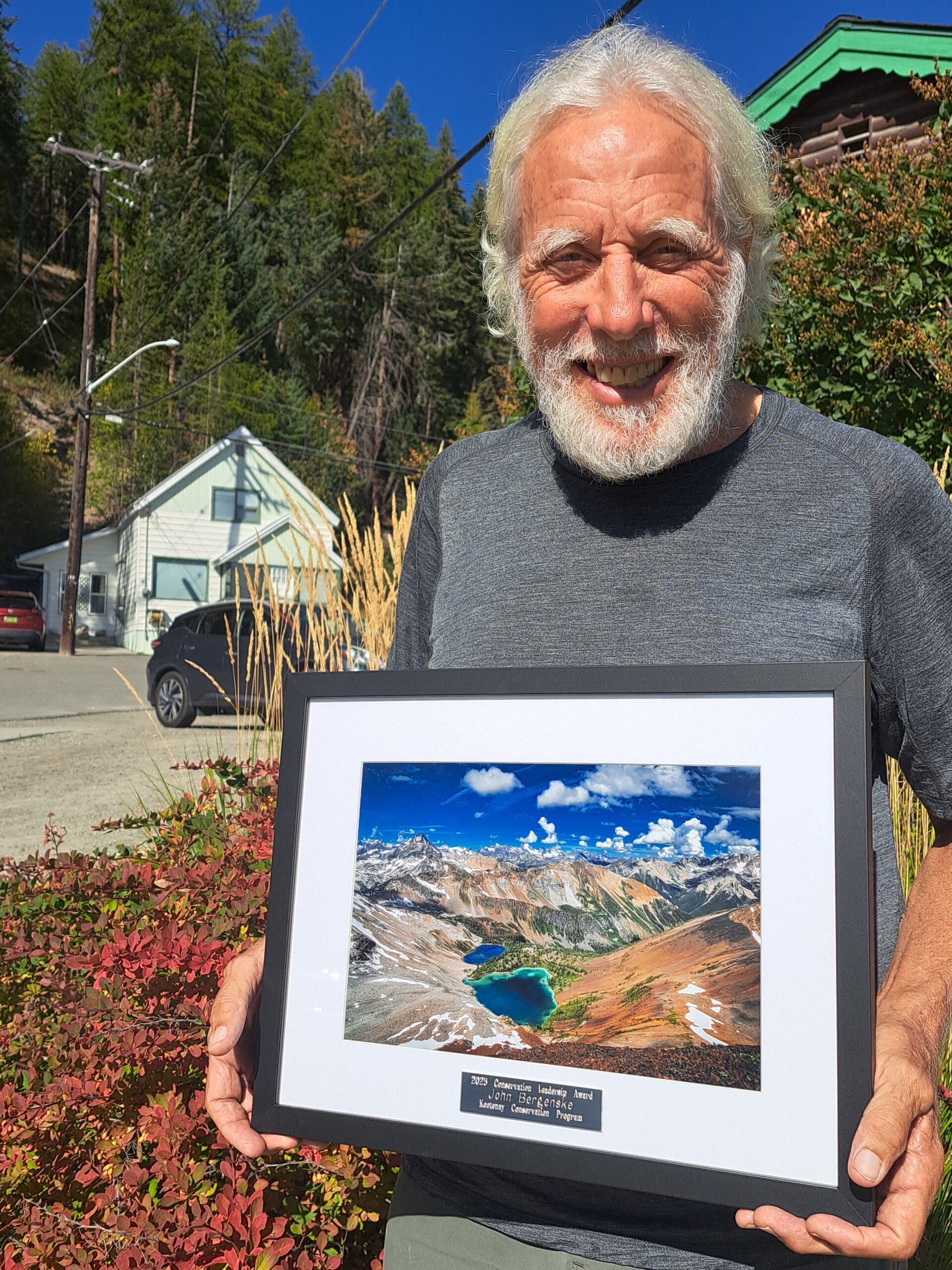
Congratulations to John Bergenske, recipient of the East Kootenay Conservation Leadership Award. John is a charismatic leader, whose passion and commitment to protecting all living things has resulted in extraordinary contributions to protecting the lands, waters and wildlife of the region, while inspiring the next generation of conservation leaders. John has been an active member and leader of the conservation community in the Kootenays for over 50 years. He came to Canada in the early 1970s and was a founding member of Wildsight (originally named the East Kootenay Environmental Society), serving as Campaign & Executive Director for more than 10 years. He is now Wildsight’s Strategic Advisor. John is solutions-oriented and values-based, building effective partnerships to advance conservation efforts. He is equally skilled at government relations and policy change as he is on the ground; a unique combination in the conservation community, and one that means the policy changes he is advocating for – including wildlife, forestry, and protected areas – are deeply grounded and informed by the reality here in the Kootenays.
John’s lifelong commitment, passion, and contributions have created an incredible conservation legacy in the Kootenays and beyond. He received a beautiful framed custom photograph by Pat Morrow, of Buster Lake with the Bugaboos in the distance.
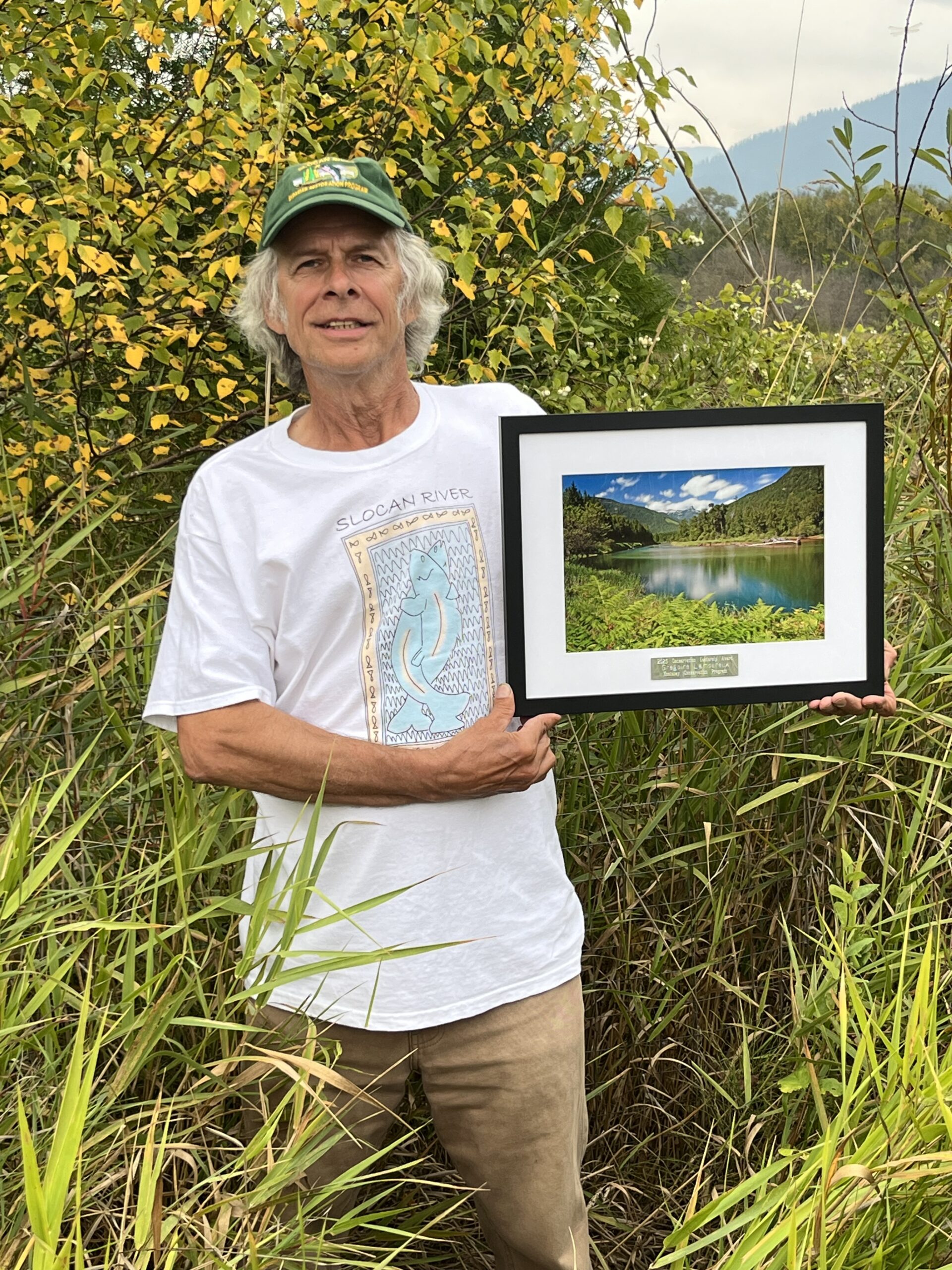
Congratulations to Gregoire Lamoureux, recognized for his leadership with Slocan River Streamkeepers, for receiving the West Kootenay Conservation Leadership Award. Since moving to the Slocan Valley over thirty years ago, Gregoire has been a leader in environmental stewardship. He transformed his backyard into a multi-layered food forest producing a diversity of fruits, nuts and medicinal plants – while creating habitat for many species of birds and other wildlife. In partnership with other valley residents, Gregoire became one of the founding members of the Slocan River Streamkeepers (SRS), and was soon managing the Riparian Restoration Program, which continues today. He has implemented 50 restoration projects, which also include 3 fish habitat projects along the Slocan River. Following the Wetlands Institute with the BC Wildlife Federation, he implemented 3 wetland restoration projects in the Slocan Valley. He is also involved with water monitoring of local creeks and both the Slocan and Little Slocan Rivers. His other passion is to install bat habitat structures and bird nesting boxes along the river, where there are now over 180 bird nesting boxes.
If you paddle or float down the Slocan River, you will see growing trees supporting healthy riparian areas that were established and continue to be tended by Gregoire and his co-workers. In recognition of his many contributions, Gregoire received a a beautiful framed photograph by Lucas Jmieff called ‘Slocan River Serenity’.

Goal 2 – Strengthen
Share technical knowledge and build financial tools for partners to undertake land conservation and stewardship activities.
KCP facilitates the sharing of leading-edge knowledge, expertise and technical resources among partners and others so that land and water stewardship activities consider the best available information and practices. As well, KCP promotes the building of financial support for partners through facilitating the establishment of local conservation funds in the region.
Webinar Series
KCP offers a webinar series each year to facilitate the sharing of technical resources among partners and others so that local conservation activities consider the best available information and practices. The 5-part webinar series in 2026 was co-hosted with the Columbia Mountains Institute of Applied Ecology’s CREDtalks under the theme of ‘Lessons for the next chapter of Restoration & Stewardship in the Columbia Basin’.
The series included presenters who are both preparing to “pass the torch,” and some who have effectively “taken the torch”: Dr. Stewart Rood, Audrey Ehman, Randy Harris, Delaney Hall, and Dr. Suzanne Bayley. Presenters reflected on key lessons from their careers in ecological restoration, land stewardship, and ecosystem monitoring, emphasizing important insights that can and should inform future restoration efforts.
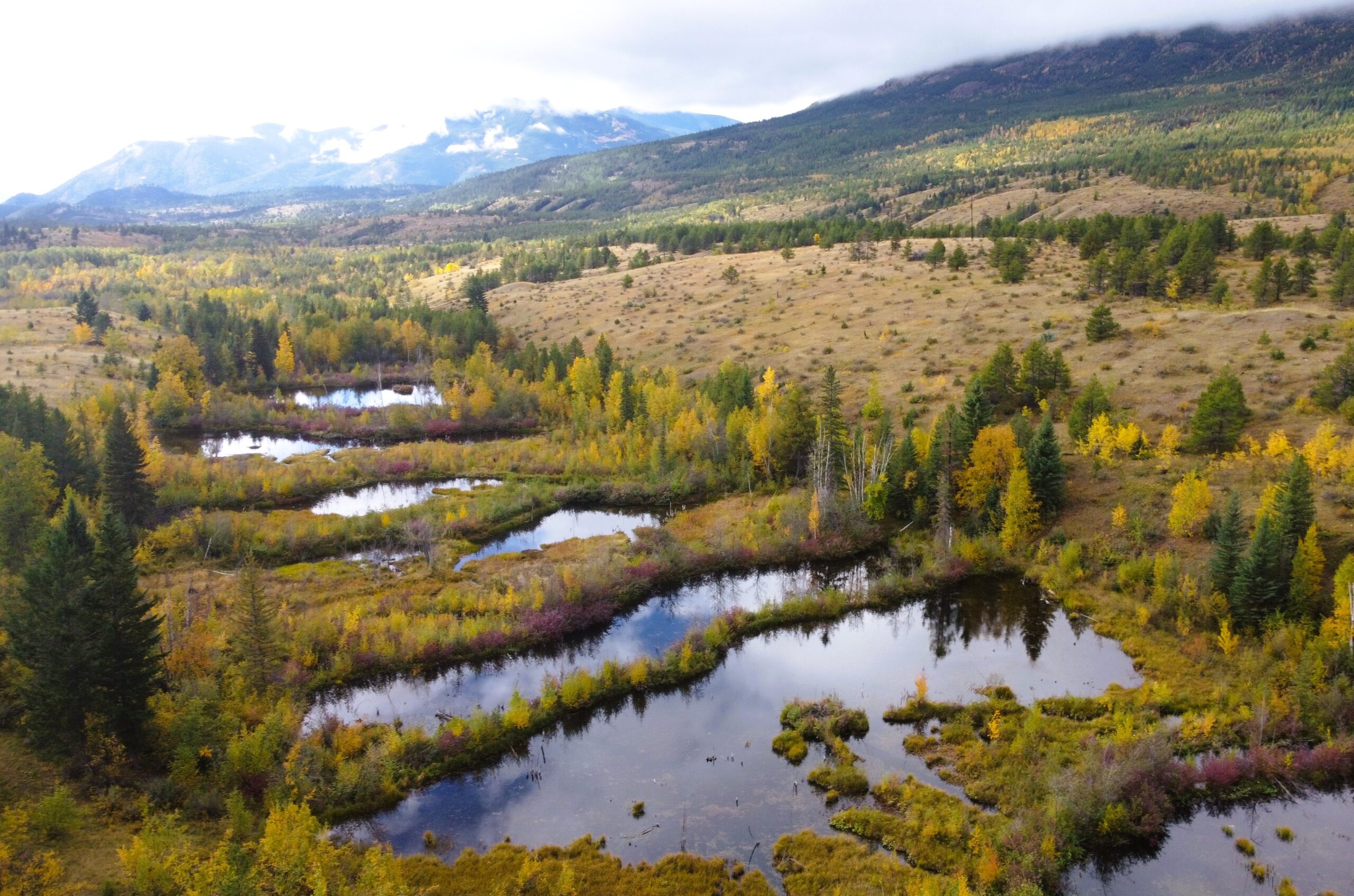
Marion Creek Wetlands. Catriona Leven/CWSP photo
Local Conservation Funds
In 2008, KCP was instrumental in establishing the first Local Conservation Fund in Canadian history in the Regional District of East Kootenay’s upper Columbia Valley. The Columbia Valley Local Conservation Fund (CVLCF) has now invested nearly $3.2M across 138 securement and stewardship projects which address local priorities including ecosystem restoration, invasive species control and lake stewardship. This critical funding has helped to leverage an additional $28.4M in conservation investments in the local area.
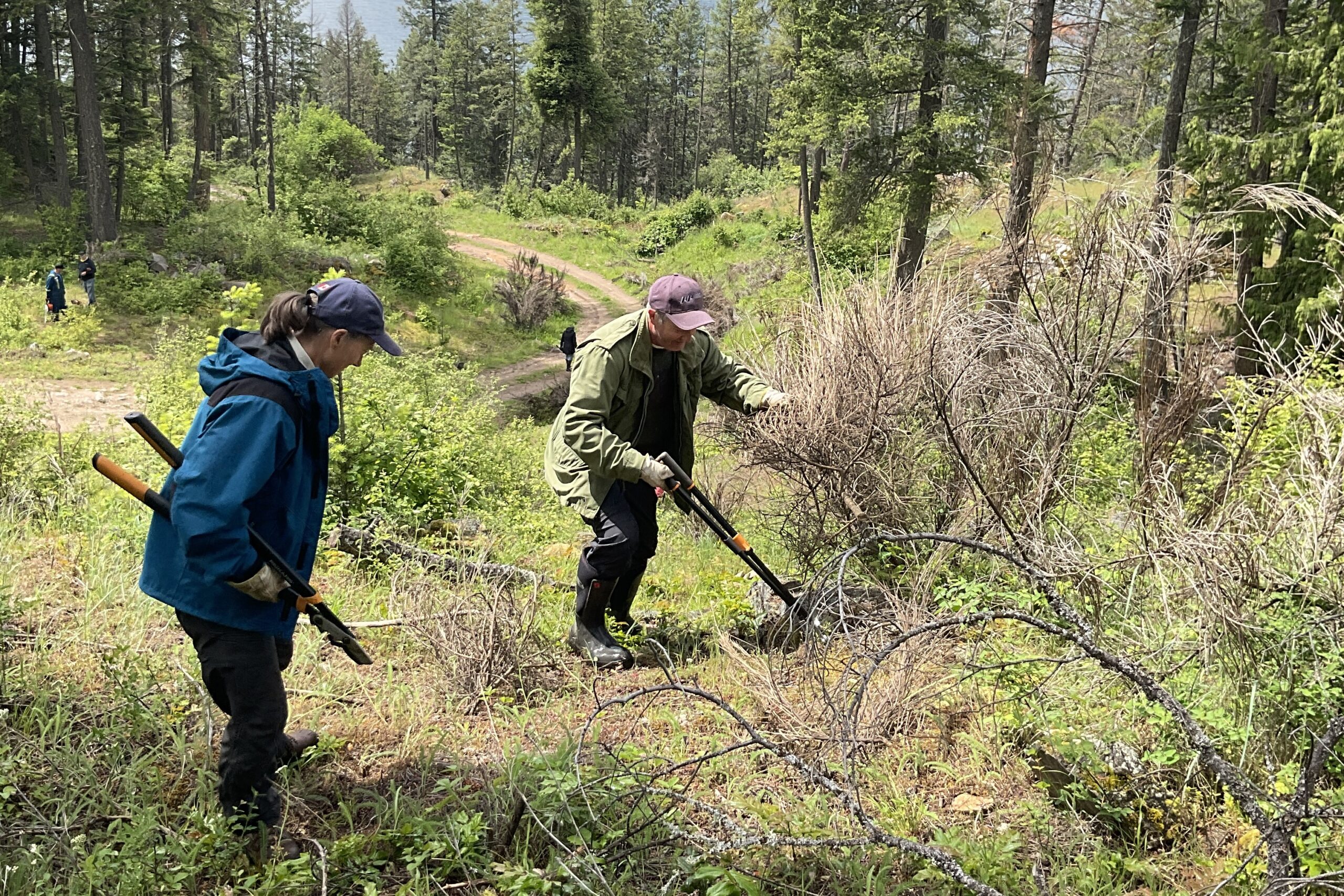
Community members remove invasive Scotch Broom as part of the Broom Bashers program. Central Kootenay Invasive Species Society/Jess Bokser Photo.
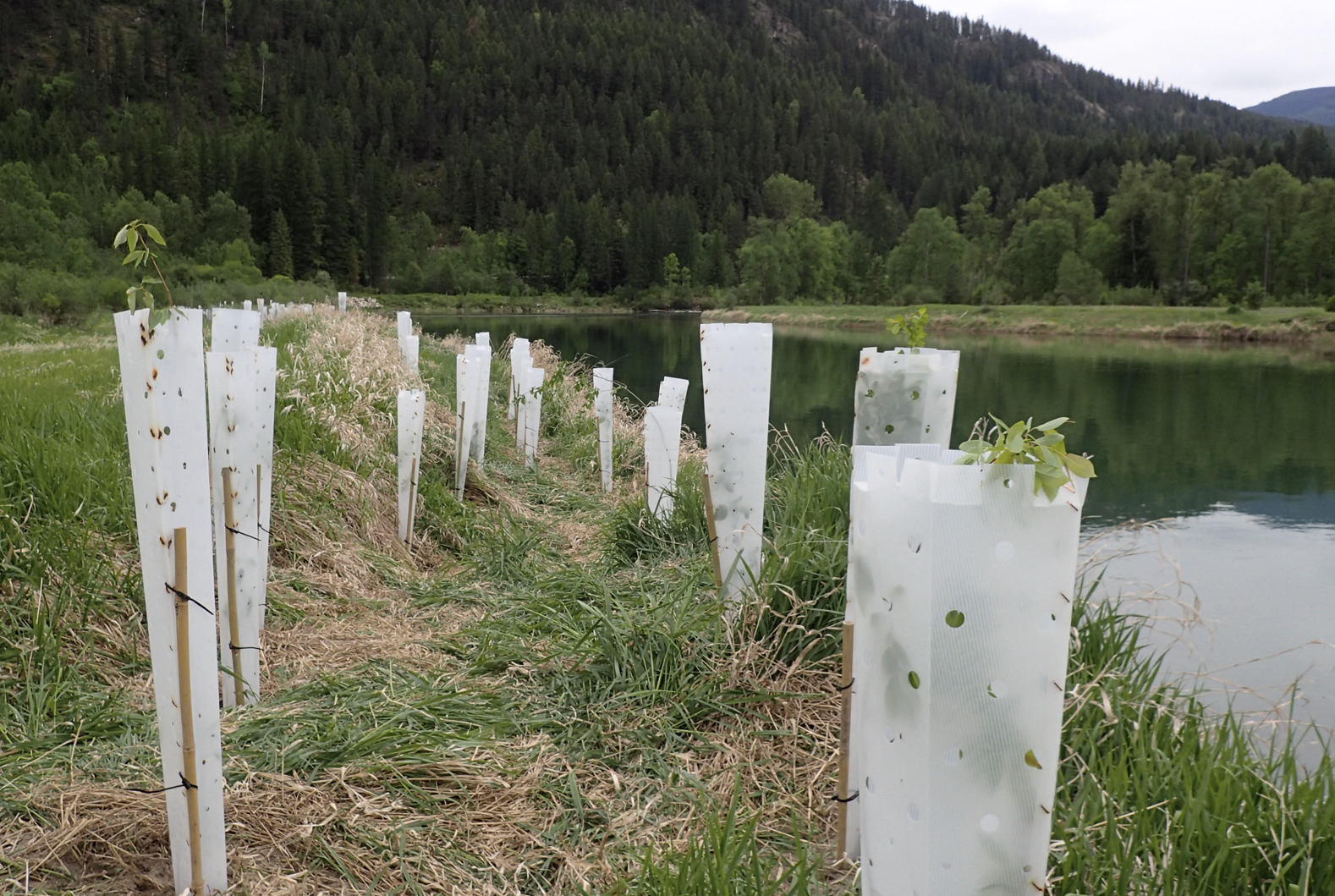
Tree protectors were installed by Slocan River Streamkeepers after planting hundreds of live stakes and native trees beside the Slocan River. Slocan River Streamkeepers photo
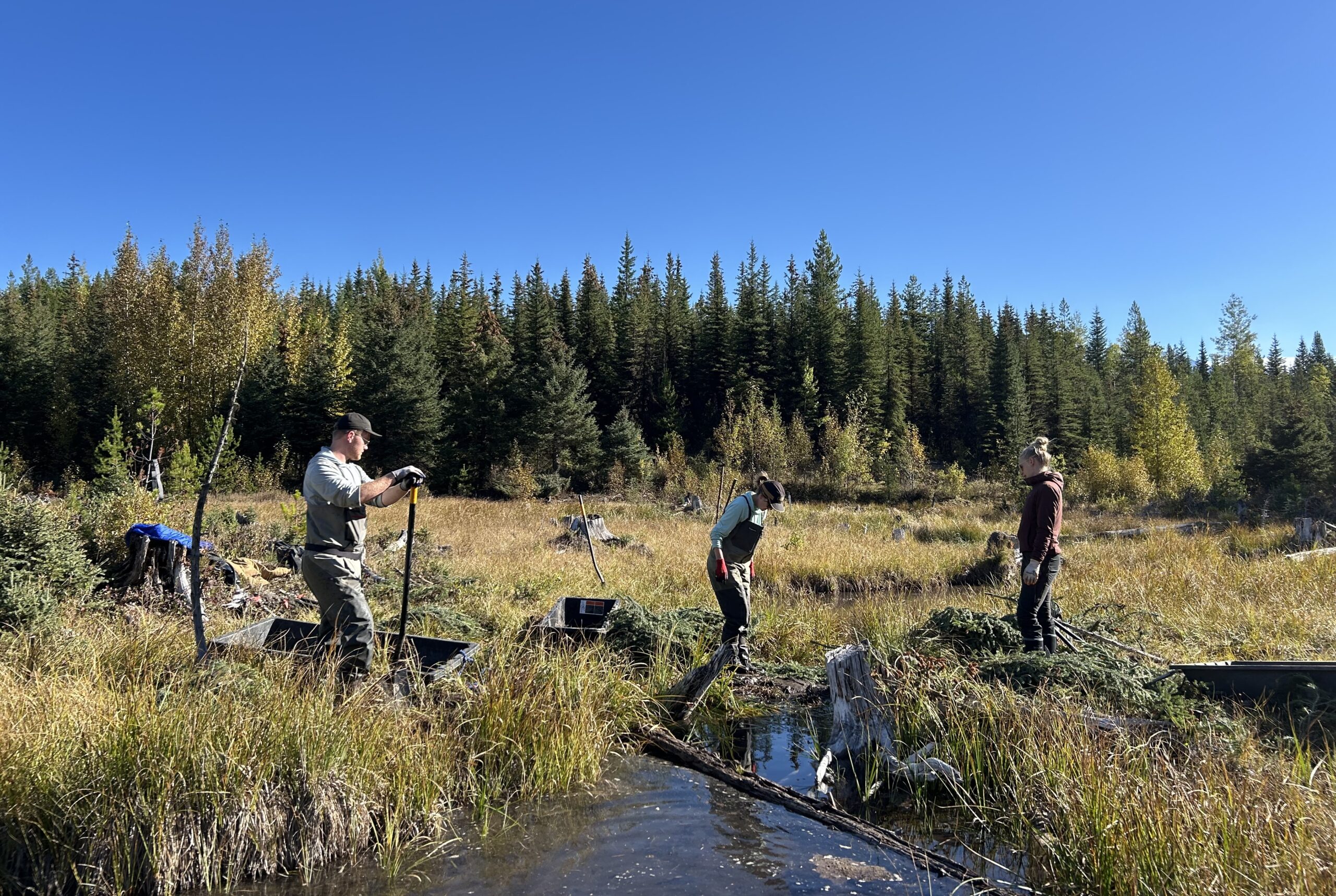
BC Wildlife Federation work on building a beaver dam analogue as part of their Kootenay River Headwaters Restoration project. Birch Matkowski Photo.

Water station monitoring as part of hydrological modelling of the Wilmer and Boulder Creek Watersheds. Living Lakes Canada Photo.
In 2025, the Columbia Valley Local Conservation Fund awarded funding to nine stewardship projects that together received $143,000: conservation of species at risk, their habitats, and connectivity areas in the upper Columbia Valley; Kootenay River headwaters restoration; restoration of the Brewer Creek Trail; bat roost habitat enhancement and population monitoring; working with farmers to reduce disease transmission between domestic and wild sheep; invasive plant management activities; hydrological modelling of the Wilmer/Boulder Creek Watersheds for sustainable water management; and water monitoring on Lake Windermere and Columbia Lake.

The Regional District of Central Kootenay Local Conservation Fund (RDCK LCF) was established in 2014, and since then, has invested $865,000 in 65 local securement and stewardship projects and has leveraged over $21.2M which includes two conservation property acquisitions. In 2025, the RDCK LCF opened funding to RDCK Electoral Area F for the first time, following the successful expansion of the Local Conservation Fund service to the remainder of Kootenay Lake in 2023. Funding was awarded to eight projects that together received $140,000 including: wetland, riparian and floodplain restoration at Crooked Horn Farm and other locations in the Slocan Valley; community-led invasive plant management for Scotch broom; year 2 of a pollinator highway project in the Slocan Valley; bat roost habitat enhancement and population monitoring; wire fence removal to restore habitat connectivity north of Creston; and water monitoring for climate resilience in the Kootenay Lake watershed.
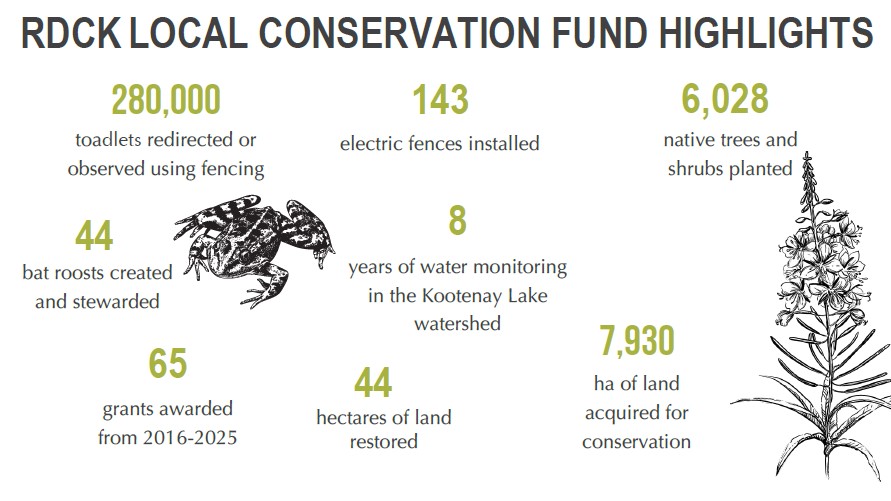
In 2025, $283,000 was distributed through the Columbia Valley and RDCK Local Conservation Funds to 17 high-priority stewardship projects.
Local Conservation Fund Expansion
In 2025/26, KCP commissioned new market research polling in areas of the RDEK and RDCK that are currently without the Local Conservation Fund service, along with Regional District of Kootenay Boundary Electoral Areas A and B and Columbia Shuswap Regional District Electoral Area A. This new polling will guide KCP in determining which areas are most likely to be supportive of establishing a Local Conservation Fund service. Market research polling will be completed in early summer 2026 and KCP will be working towards strategically expanding the service in the coming years through community and local government outreach in select areas across the region.

Goal 3 – Steward
Increase the effectiveness and coordination of stewardship activities taking place in the Kootenays.
Stewardship promotes responsible use and conservation of biodiversity, habitats and ecosystems through sustainable land and water practices. In the Kootenays, over 95 KCP partners and First Nations are involved in stewardship focusing on local priorities such as grassland restoration, forest health, invasive species control, species at risk management, and wetland construction and restoration. KCP facilitates stewardship activities that protect biodiversity, ecosystem services, and ecological connectivity to promote healthy and vibrant landscapes and human communities that are connected to their natural surroundings.
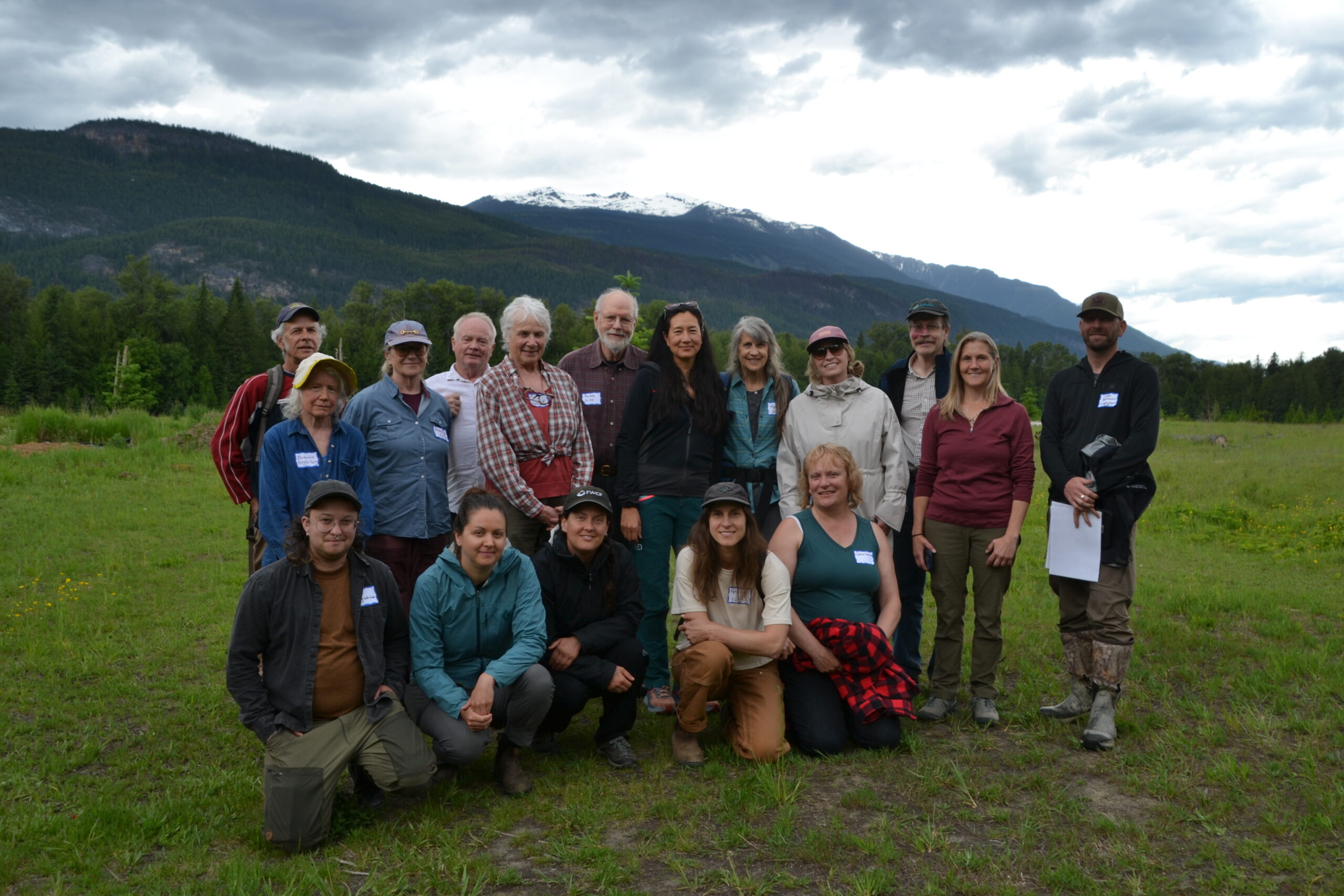
West Kootenay Stewardship Committee Field Tour of ecosystem restoration and rewilding of The Nature Trust of BC’s Duncan-Lardeau Conservation Complex. KCP photo
Spring Meetings & Field Tours
Spring field tours were hosted in conjunction with East and West Kootenay Stewardship Committee Meetings in May and June 2025. The meeting objectives for both were to provide an opportunity for stewardship organizations and others to share updates on local stewardship activities of each organization and areas of potential collaboration and have a group discussion on trending stewardship topics that could benefit from collaboration and partnership.
In the East Kootenay, 23 partners gathered in Radium Hot Springs or remotely, and the morning meeting was followed by an afternoon field tour to learn about the new Radium Wildlife Overpass, bighorn sheep monitoring and building community momentum for conservation, and promoting responsible recreation in the Columbia Valley. In the West Kootenay, 24 partners gathered in Meadow Creek or remotely, followed by a local field tour of the Meadow Creek Spawning Channel, the Nature Trust of BC’s Duncan Lardeau Conservation Complex, and the Argenta Slough to learn about a range of topics from bat habitat enhancement to wetland restoration and rewilding.KCP’s Stewardship Committee meetings increase collaboration and awareness around the many stewardship initiatives taking place within Kootenay Conservation Program’s service area.
Neighbourhood Conservation Action Forums
KCP has co-hosted eight successful Conservation Action Forums (CAF) since 2017 including the Slocan Lake Watershed, Columbia Valley, Lower Columbia, Elk Valley, Creston, Golden, South Country and South Selkirk-Lower Columbia conservation neighbourhoods. To follow up on these forums, KCP has co-hosted check-in meetings in four of these conservation neighbourhoods.
In February 2026, KCP co-hosted a Creston Valley Conservation Action Forum Check-in meeting focused on the Creston-Purcells Conservation Neighbourhood in partnership with the Creston Valley Wildlife Management Area. Nearly 40 representatives from various local stewardship organizations, First Nations, local, provincial and federal governments, land trusts, and other agencies came together in Creston to review the progress being made on the five priority actions identified during the original 2020 Creston Valley Conservation Action Forum. Participants provided updates on their conservation and stewardship projects occurring throughout the region and shared diverse perspectives in an engaging discussion on next steps for key actions and potential collaborations moving forward. Details of the meeting are included in the summary report.
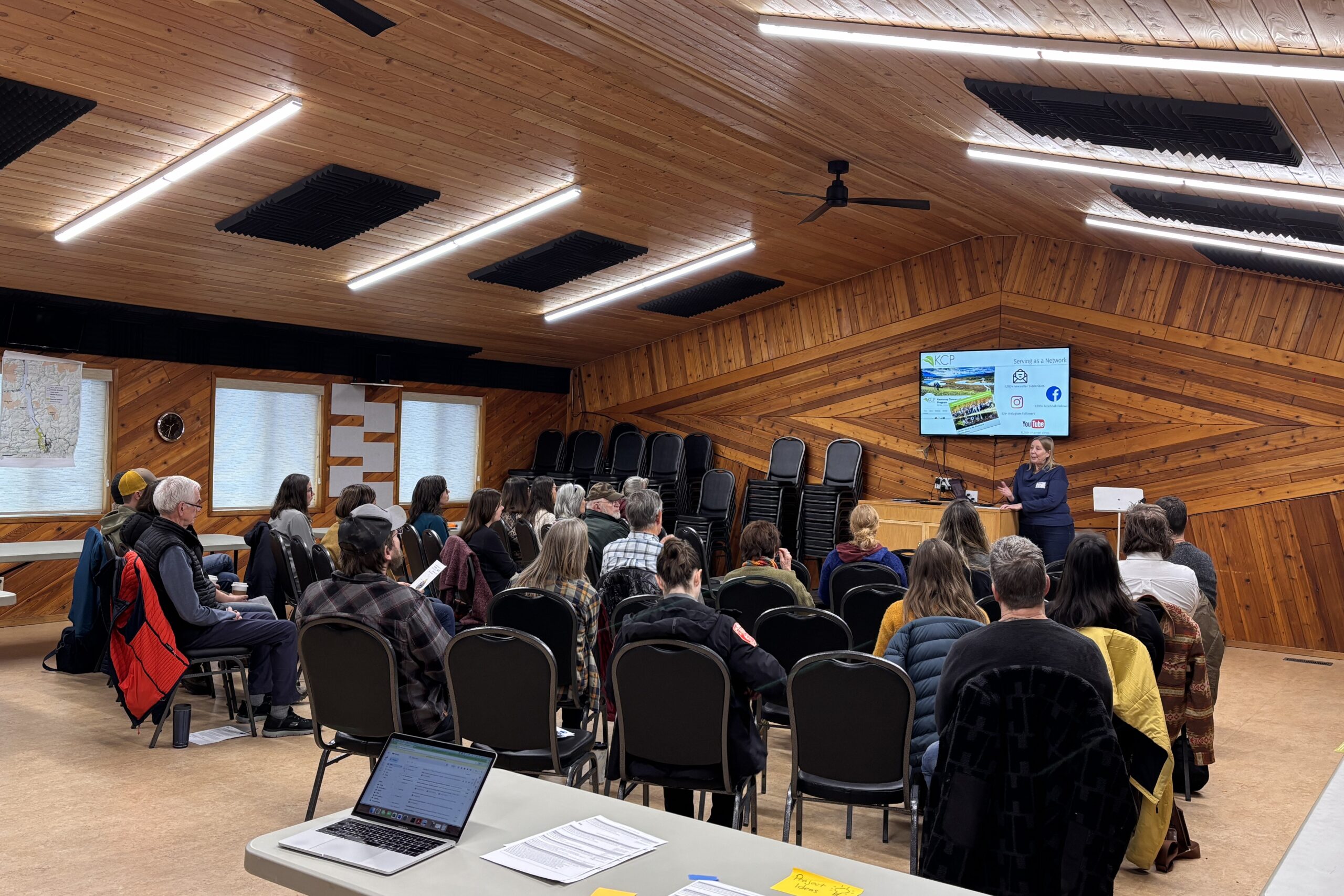
Creston Valley Conservation Action Forum Check-in Meeting in February 2026.
Since 2017, we have completed 8 Conservation Action Forums to guide priority actions for the following 3 to 5 years. After 5 years, we’ve checked back with partners in Conservation Neighbourhoods and held 4 Conservation Action Forum Check-ins where partners reviewed results and updated priority actions to guide another 5 years of collaborative conservation.

Kootenay Connect Priority Places
This past year was the final year of the Environment and Climate Change Canada – Canada Nature Fund grant for Kootenay Connect Priority Places, a seven-year project that aimed to enhance, restore, and manage important valley bottom habitats to support the recovery of 34 federally-listed species at risk. Over the last 7 years, Kootenay Connect Priority Places has supported projects in seven focal corridors (Bonanza Biodiversity Corridor, Creston Valley, Wycliffe Wildlife Corridor, Columbia Valley Wetlands, Columbia Lake, Slocan Valley, and the Duncan-Lardeau Valley) totaling an area of 1,660,000 hectares (or 20% of the Kootenay Region). In 2025/26, KCP successfully administered the final, seventh year of this project, working with over 40 KCP partners and specialists including stewardship groups, land trusts, science and technical consultants, and recovery teams who worked together to enhance and restore habitat for species at risk in these seven biodiversity hotspots. Restoration and enhancement efforts have improved and protected a broad spectrum of habitat types such as native grasslands, rich wetlands, cottonwood riparian areas, and mature cedar-hemlock forests that support species at risk.

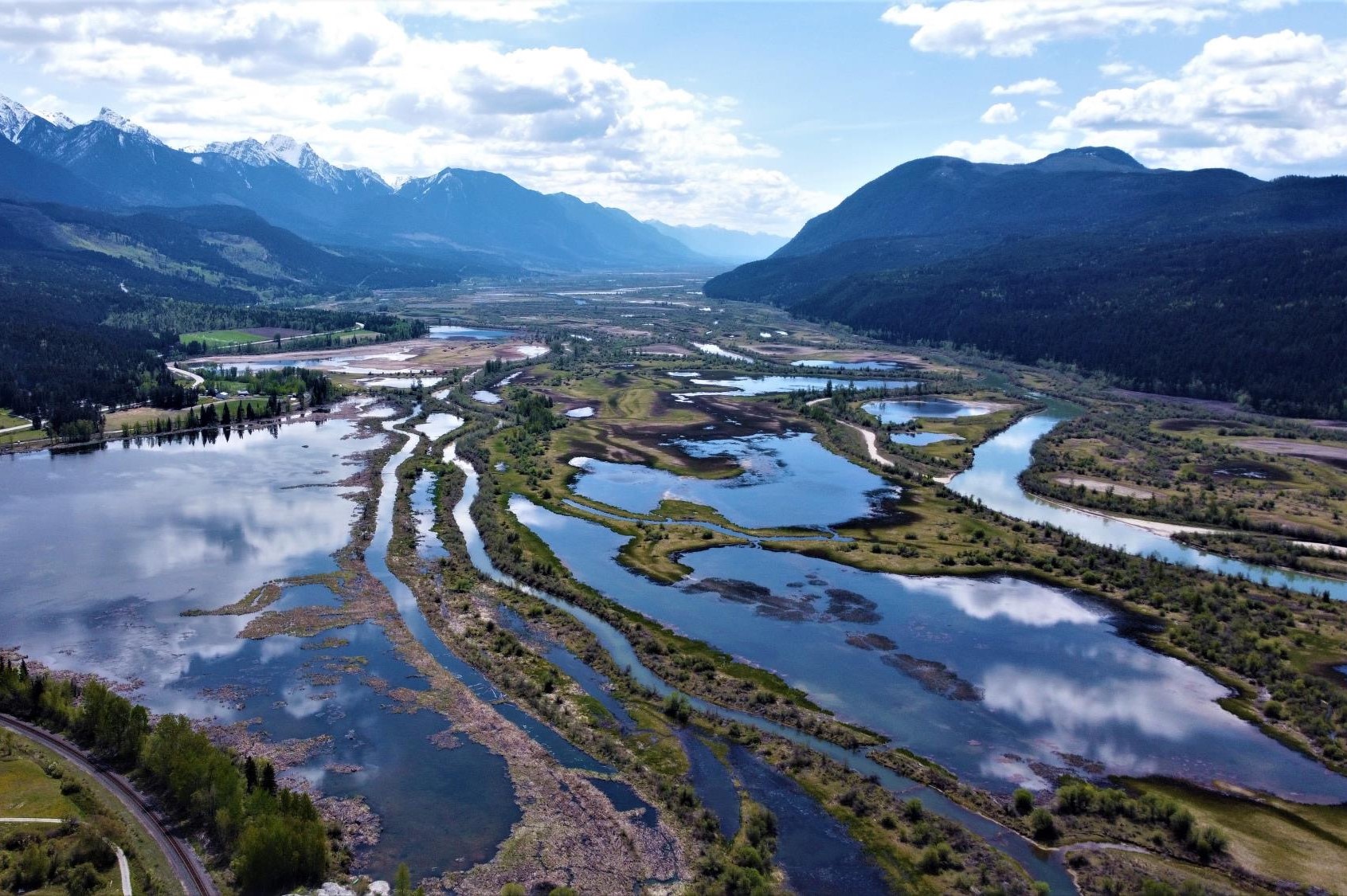
Columbia Wetlands Stewardship Partners categorized the mosaic of wetlands connected to the Columbia River system as least, partially, or most connected. CWSP Photo.
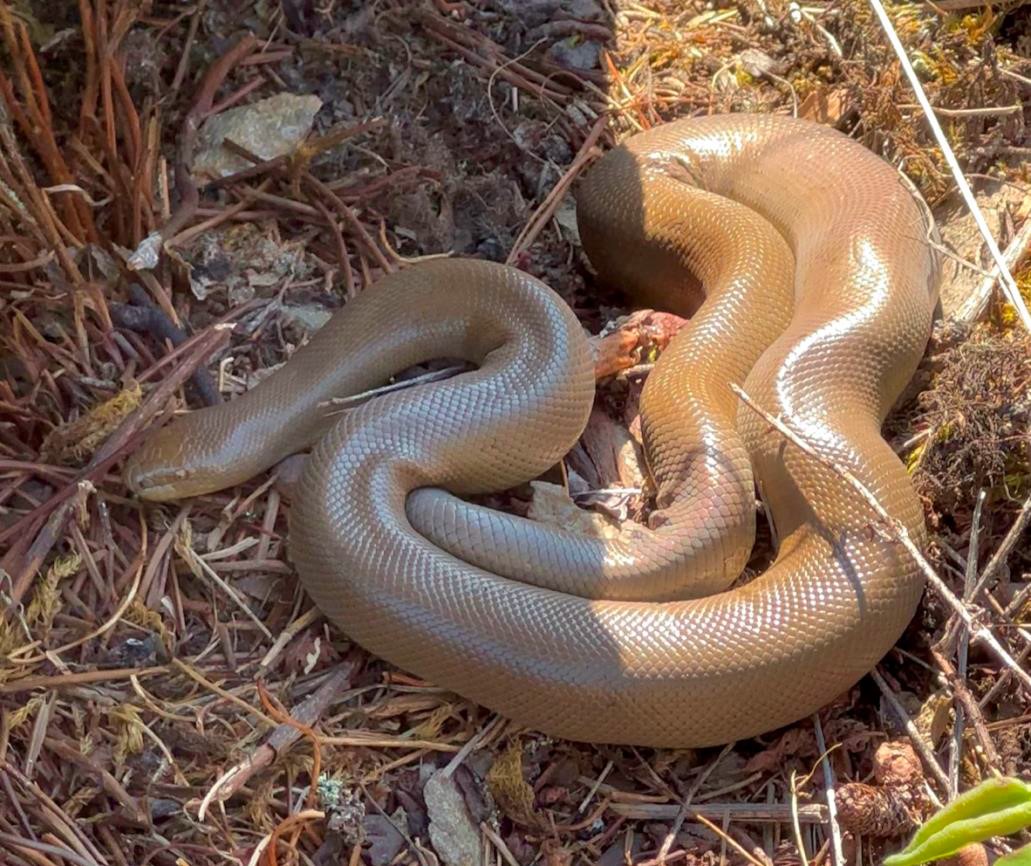
Rubber boa identified as part of reptile surveys in the Creston Valley Wildlife Management Area. A total of 24 surveys were completed, identifying 5 species of reptiles. CVWMA photo.
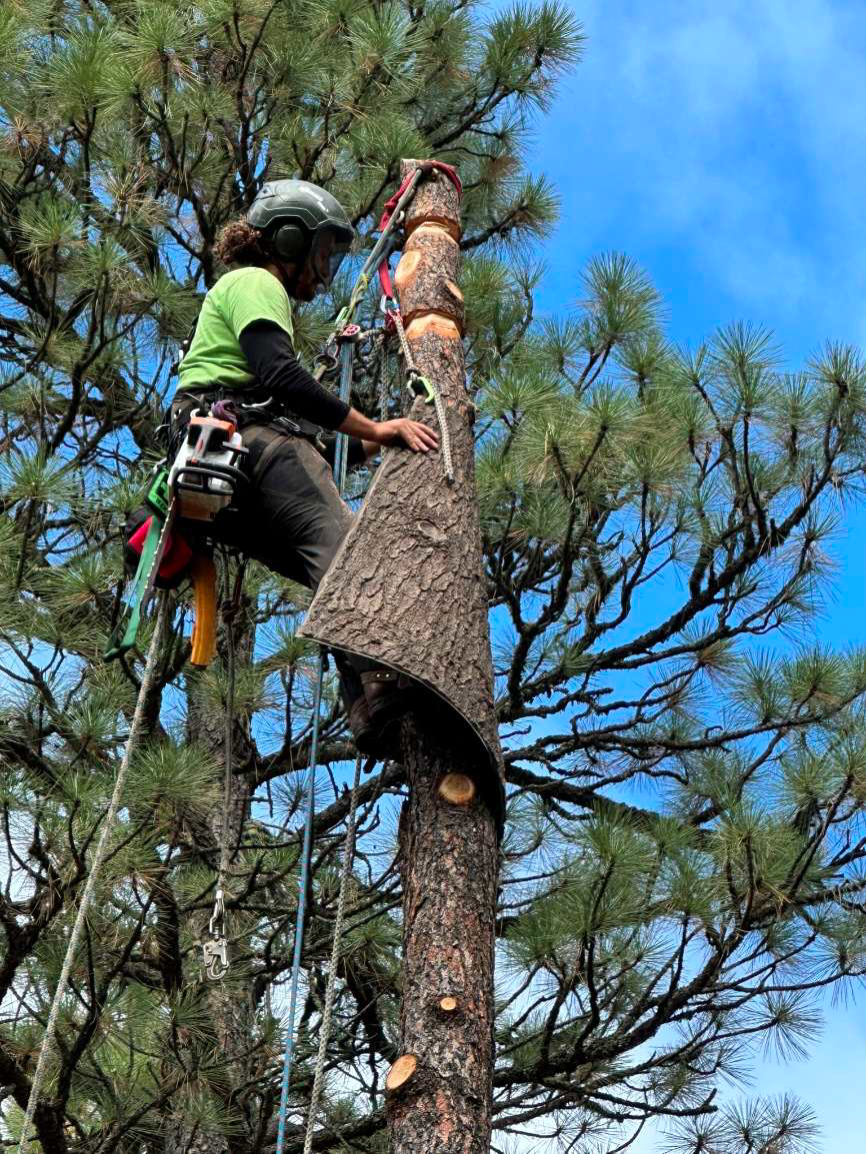
BrandenBark™ was installed as part of Wildlife Conservation Society Canada’s bat habitat enhancement and monitoring across 7 focal corridors to increase roosting options. WCSC Photo.
7 Years of Impact
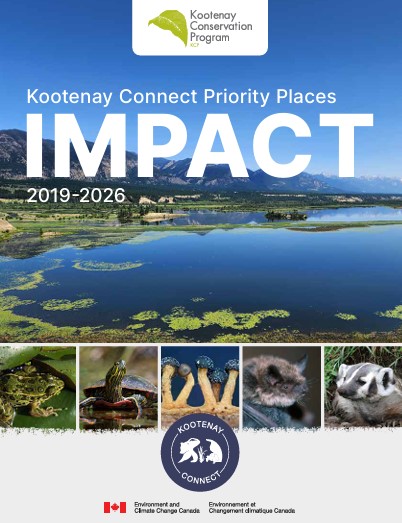
For the past seven years, over 60 projects have inventoried species at risk; improved wetland, riparian, dry forest and grassland habitats; installed and constructed habitat features such as basking logs for turtles, beaver dam analogues, and artificial roosting structures for bats; developed new GIS data layers that identify and assess habitat quality; applied for Wildlife Habitat Area and Wildlife Habitat Feature designations on public land; modelled wildlife corridors and wetland vulnerability to climate change; planted native vegetation and managed invasive species; and installed wildlife-friendly fencing. Details on the Kootenay Connect Priority Places project can be found on the KCP website, including a new Impact Report.
Some accomplishments of Kootenay Connect from Years 1 to 7 (2019-2026):
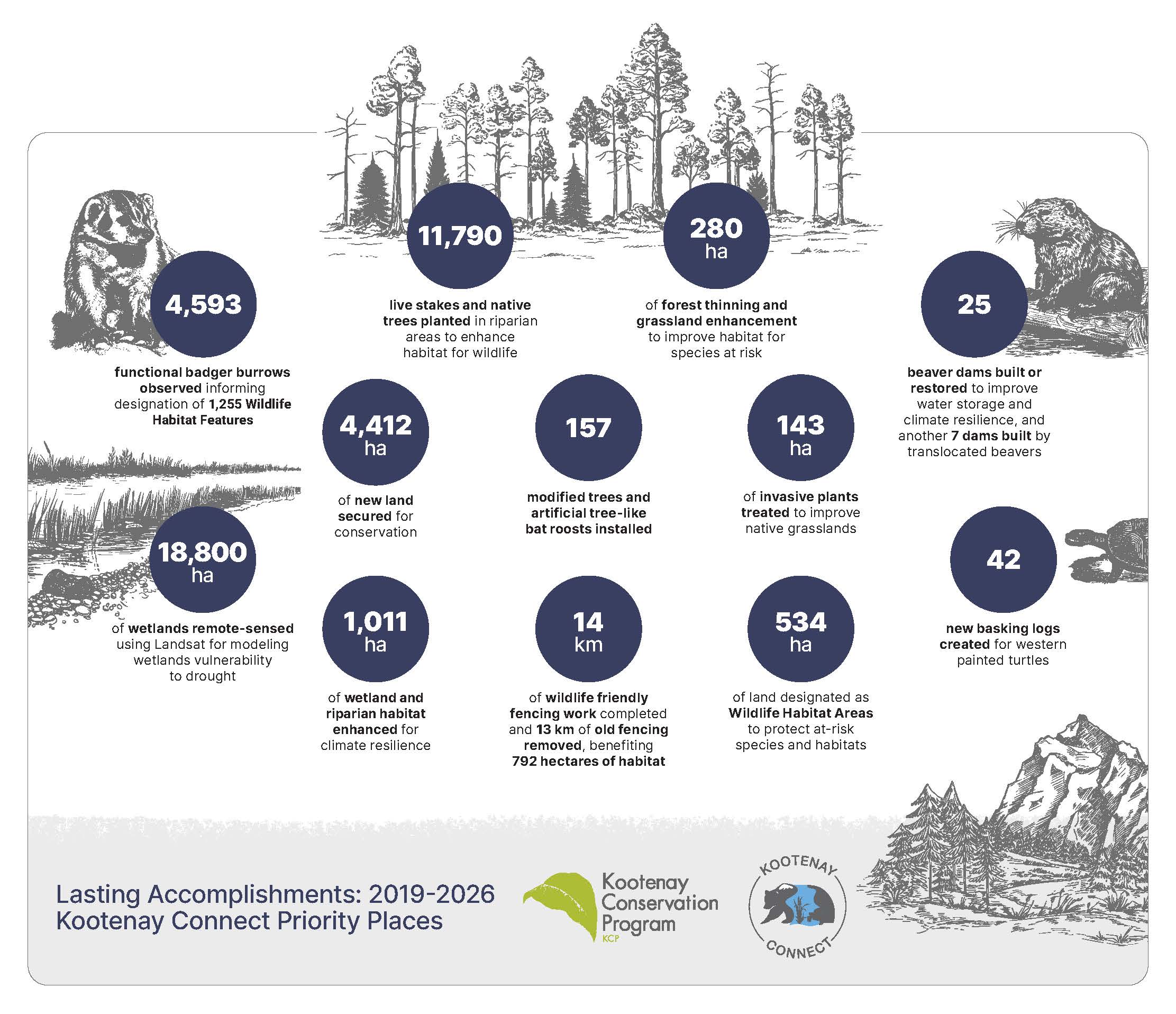
Kootenay Connect Priority Places has been addressing the dual crises of decreasing biodiversity and intensified climate disruption in the Kootenay region, for seven years, across seven landscapes.
Stewardship Solutions Toolkit
The KCP Stewardship Solutions Toolkit continues to serve as a central hub for Kootenay-based resources that address stewardship issues on private land. This toolkit is organized by Conservation Neighbourhood and is designed as a one-stop shop for private landowners interested in stewardship options for their property and as a resource for stewardship practitioners, local government planners, and other service providers. The diversity of services includes information, tools, incentives, services, learning opportunities, and/or funding for stewardship activities focusing on such topics as wildlife, species at risk, invasive plants, water quantity and quality, forest and grassland ecology, and habitat restoration. In 2025/26, promotion efforts focused on ensuring contact information for service providers is up to date, adding new services to the Toolkit, and providing print materials to partner groups.


This year, the Stewardship Solutions Toolkit website has served to be an important resource:
Conservation Ambassador Training
This year, KCP planned and delivered a seventh Conservation Ambassador Training (CAT) Program module, on Stewarding for the Prevention and Management of Invasive Plants, to continue to build and share knowledge of ‘Stewardship Solutions’ in the Kootenays. Through this live learning opportunity, presenters from the East Kootenay Invasive Species Council and Central Kootenay Invasive Species Society gave 15 attendees the key information, messages, and source materials they need to effectively communicate with private landowners on how they can better prevent and manage invasive plants on private land.
We also launched a new, comprehensive Google Classroom that contains all 7 existing CAT modules and related resources, where students can learn at their own pace. As of spring 2026, over 100 people have signed up for the Google Classroom and are actively learning, with 11 new individuals completing all modules to earn their Conservation Ambassador Certificate.
This year, over 100 individuals joined our Conservation Ambassador Training Google Classroom to work towards earning their Conservation Ambassador Certificate:

Goal 4 – Conserve
Increase the effectiveness, collaboration and coordination of private land conservation
KCP recognizes that private lands in the Kootenays are located primarily in valley bottoms which is also where there is the highest density of wetlands, rare habitats, species at risk, and key wildlife corridors. From a large landscape perspective, valley bottoms in the Kootenays act as the connective tissue between adjacent mid and high-elevation habitats, enabling contiguous wildlife travel corridors to exist between different higher elevation habitats. It is imperative to protect habitat in these valley bottoms to maintain healthy functioning ecosystems, biodiversity and ecological connectivity, and securement is an important tool to enable protection.
Land Conservation
Since 2002, KCP has worked with partners to conserve nearly 130,000 hectares of private land and acquire over 71 properties across the Kootenays. In 2025/26, KCP continued to coordinate communication between the land trusts in the region. Based on the dedication and hard work of local land trusts and partners, four valuable conservation properties were acquired this year, securing 45,630.29 ha of high-priority conservation lands for the region: Kootenay Forest Lands (Nature Conservancy of Canada), Columbia Wetlands Edgewater Marsh West (The Nature Trust of BC), Kootenay River Ranch West (Nature Conservancy of Canada), and one more property that is currently confidential.
KCP assists with identifying opportunities to secure high-priority conservation lands in several ways, including the coordination of a confidential Securement Committee comprised of the Nature Trust of BC, the Nature Conservancy of Canada, Shuswap Band, Yaq̓it ʔa·knuqⱡi’it First Nation (new as of 2026), BC Ministry of Forests, Ducks Unlimited Canada, Fish and Wildlife Compensation Program, and Environment and Climate Change Canada. Priorities for land conservation are based on specially developed ranking criteria that integrate the latest science of climate change and landscape connectivity and assesses candidate properties within a larger ecological context.
In the 2025/26 year, KCP trialed a new approach to assess private properties in the Kootenays using ‘Biodiversity Conservation Opportunity (BCO)’ mapping that applied KCP’s property evaluation criteria and evaluated 90 properties. KCP also continued to serve as a ‘one window approach’ for land conservation inquiries. This year, KCP tracked and responded to 12 land conservation inquiries from KCP partner organizations or directly from interested landowners and completed one detailed property evaluation and four property appraisals.
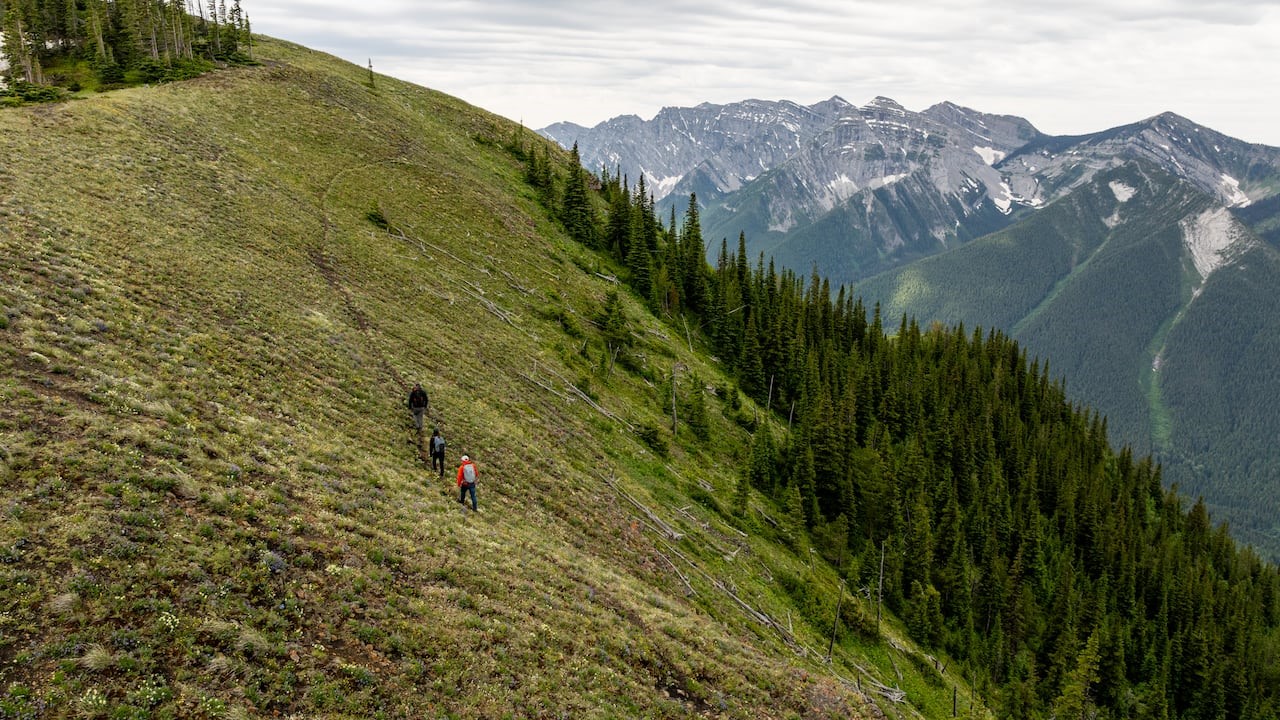
Kootenay Forest Lands
Nature Conservancy of Canada
The Nature Conservancy of Canada, in partnership with the federal government, the Province of British Columbia, Elk Valley Resources and other partners, partnered to conserve over 45,000 hectares of timberland near Fernie, Elkford and Canal Flats. This initiative, known as the Kootenay Forest Lands project, is one of the largest private land conservation efforts in Canadian history. Located within the homelands of the Ktunaxa Nation, which has endorsed the project, the lands will be managed under long-term conservation stewardship to provide ecological, cultural, and community benefits for generations. The project protects a suite of landscapes that influence 42 watersheds and conserves approximately 930 km of streams, securing clean water and healthy fisheries. It plays an important role in supporting wildlife movement and overall ecosystem health and provides habitat for at-risk species such as grizzly bear, badger, whitebark pine, bull trout, and bighorn sheep. The area also contains rare high-elevation grasslands, old growth forests, and numerous streams that flow into the Elk River—an internationally recognized destination for fly fishing.

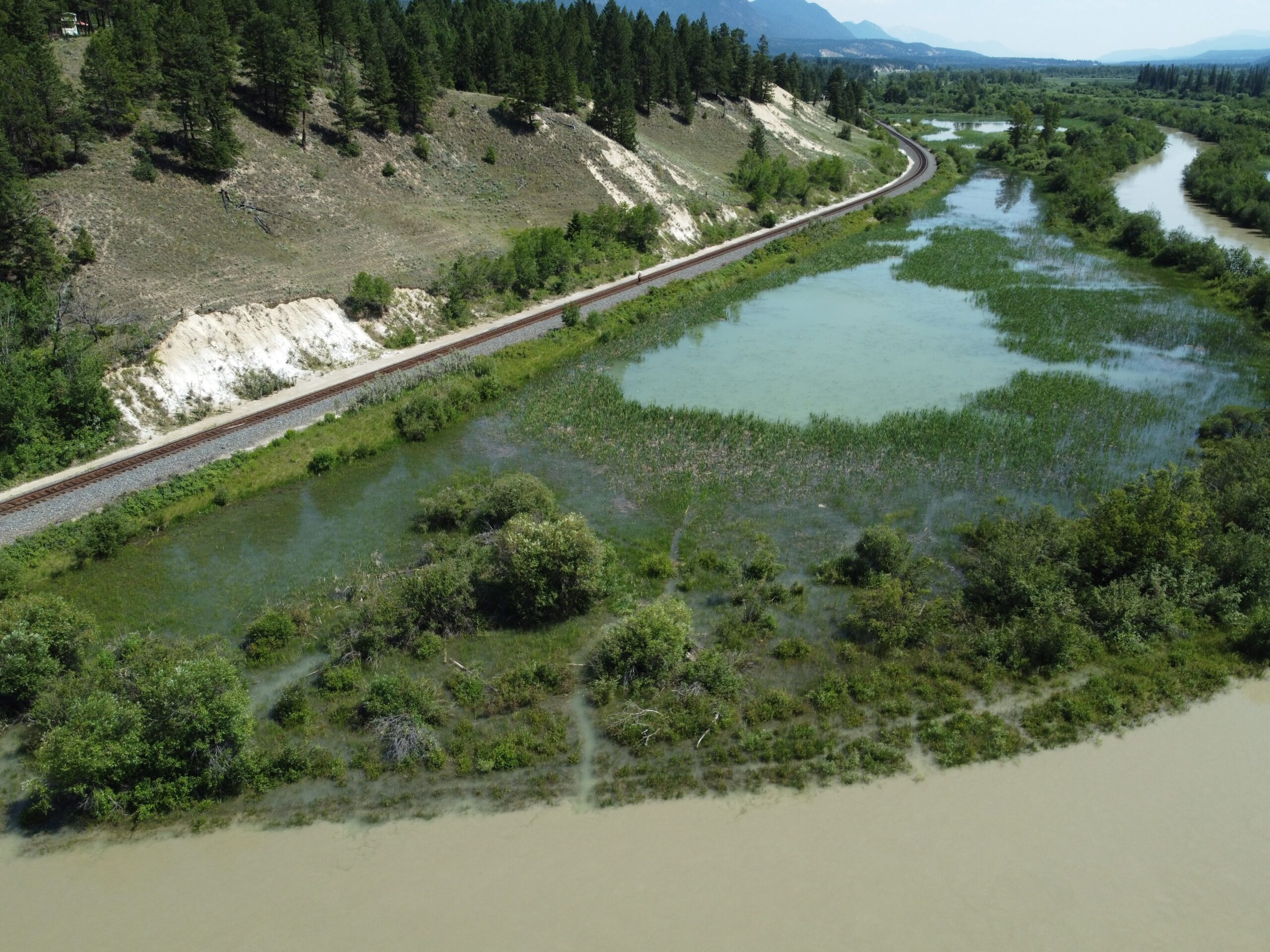
Columbia Wetlands Edgewater Marsh West
The Nature Trust of BC
The Nature Trust of British Columbia (NTBC) graciously accepted a small land donation in late 2025 called the Columbia River Wetlands – Edgewater Marsh. At 0.9 ha in size, this parcel is located between the Canadian Pacific Kansas City Railway and the Columbia River, just south of the unincorporated community of Edgewater. Comprised of marsh, riparian, and floodplain ecosystems, it’s located beside the Columbia Wetlands Wildlife Management Area. While it’s a small increase to nearby protected lands, NTBC and its partners are thankful that this little wetland gem has been secured.

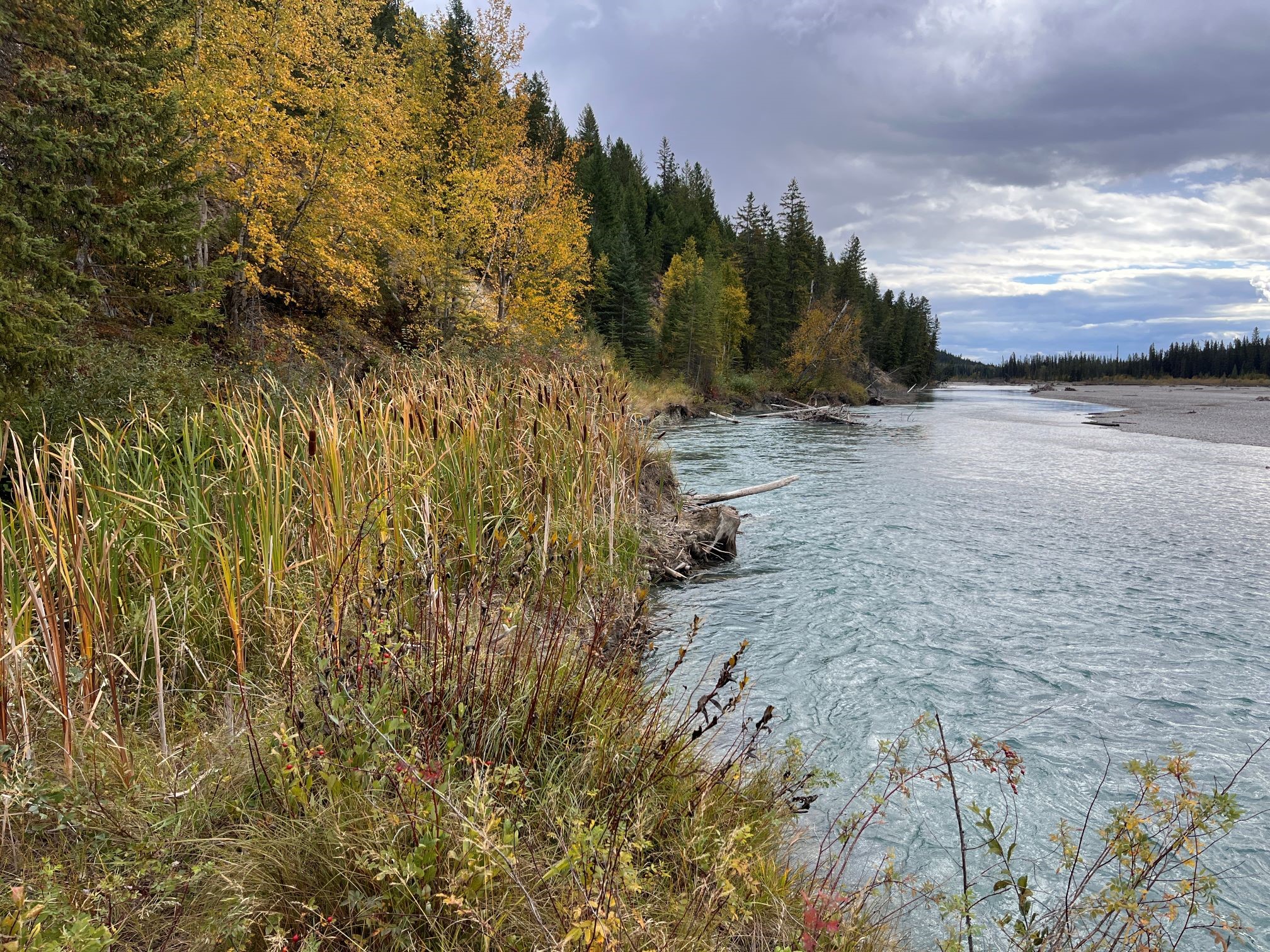
Kootenay River Ranch West
The Nature Conservancy of Canada
The Kootenay River Ranch West property is located within the Kootenay River Valley between Skookumchuck and Canal Flats in the Rocky Mountain Trench, within the traditional territory of the Ktunaxa Nation. It is a 61.4 hectare-property with nearly 1.0 km of river frontage along the Kootenay River and sits adjacent to the Nature Conservancy of Canada’s (NCC) existing Kootenay River Ranch Conservation Area. This landscape features open Douglas-fir and Ponderosa Pine forests that support a rich and diverse mosaic of plant communities. The Kootenay River Valley provides habitat for many wildlife species, including American badger, grizzly bear, black bear, gray wolf, cougar, coyote, elk, mule deer, porcupine, bats, and numerous songbirds, raptors, owls, and woodpeckers. Strengthening this corridor will benefit grizzly bears traveling between the Rocky Mountains and Purcell Mountains, particularly in late summer when they move toward the river to feed on spawning kokanee salmon. The property’s natural river frontage also provides high-quality habitat for bull trout and westslope cutthroat trout, including potential spawning areas.