One of the overarching questions in the field of conservation is how can we coexist with other species? We know that many wildlife species need large areas of connected habitats which allow for necessary movement through the landscape to meet their daily and seasonal requirements.
While fences serve many functions, including protecting gardens or livestock, the impact of fences on the movement of wildlife is surprisingly extensive. Although no formal count exists, a reasonable estimate is that there are thousands of kilometers of fencing in the Kootenay region, both functional and in disrepair, that act as potential barriers to wildlife movement.
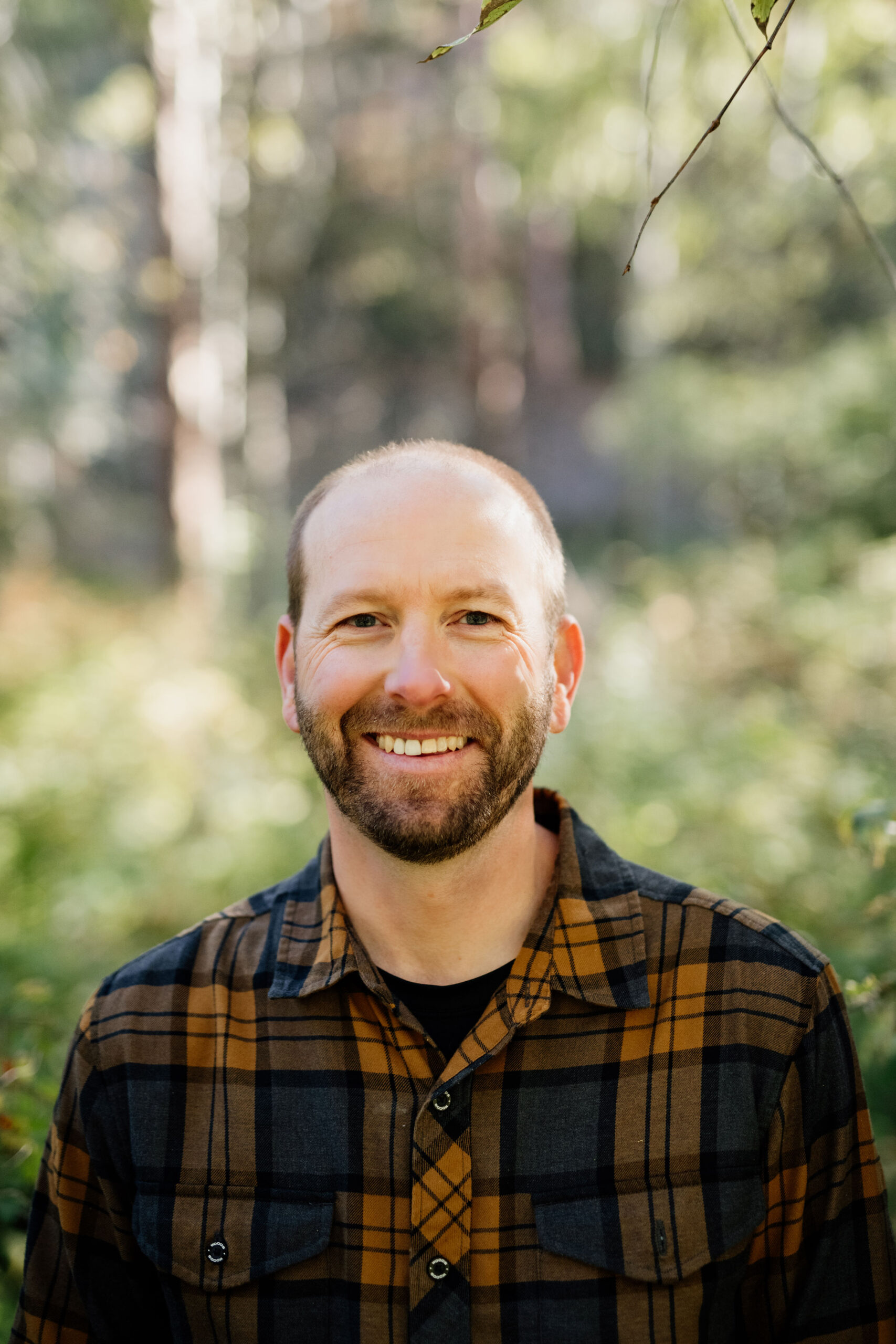
“Whatever the actual number of kilometers is in the Kootenays, the magnitude of fence infrastructure is enormous, and this comes with both threats and opportunities,” states Chris Bosman, Kootenay Conservation Land Manager with The Nature Trust of BC (NTBC).
According to the Alberta Conservation Association, the cumulative length of fences found in southern Alberta and northeastern Montana alone would circle the earth eight times.
Here in the mountainous Kootenay region where habitat fragmentation is a key driver of biodiversity loss, a focus on ecological connectivity is a vital component of habitat enhancement and restoration projects. This idea underlies how Kootenay Connect Priority Places, a project managed by Kootenay Conservation Program, is approaching conservation of species at risk in our region. “Over the last four and a half years, Kootenay Connect has supported projects that promote coexistence with nature so that we can better share the landscape with wildlife,” explains Marcy Mahr, Kootenay Connect Manager.
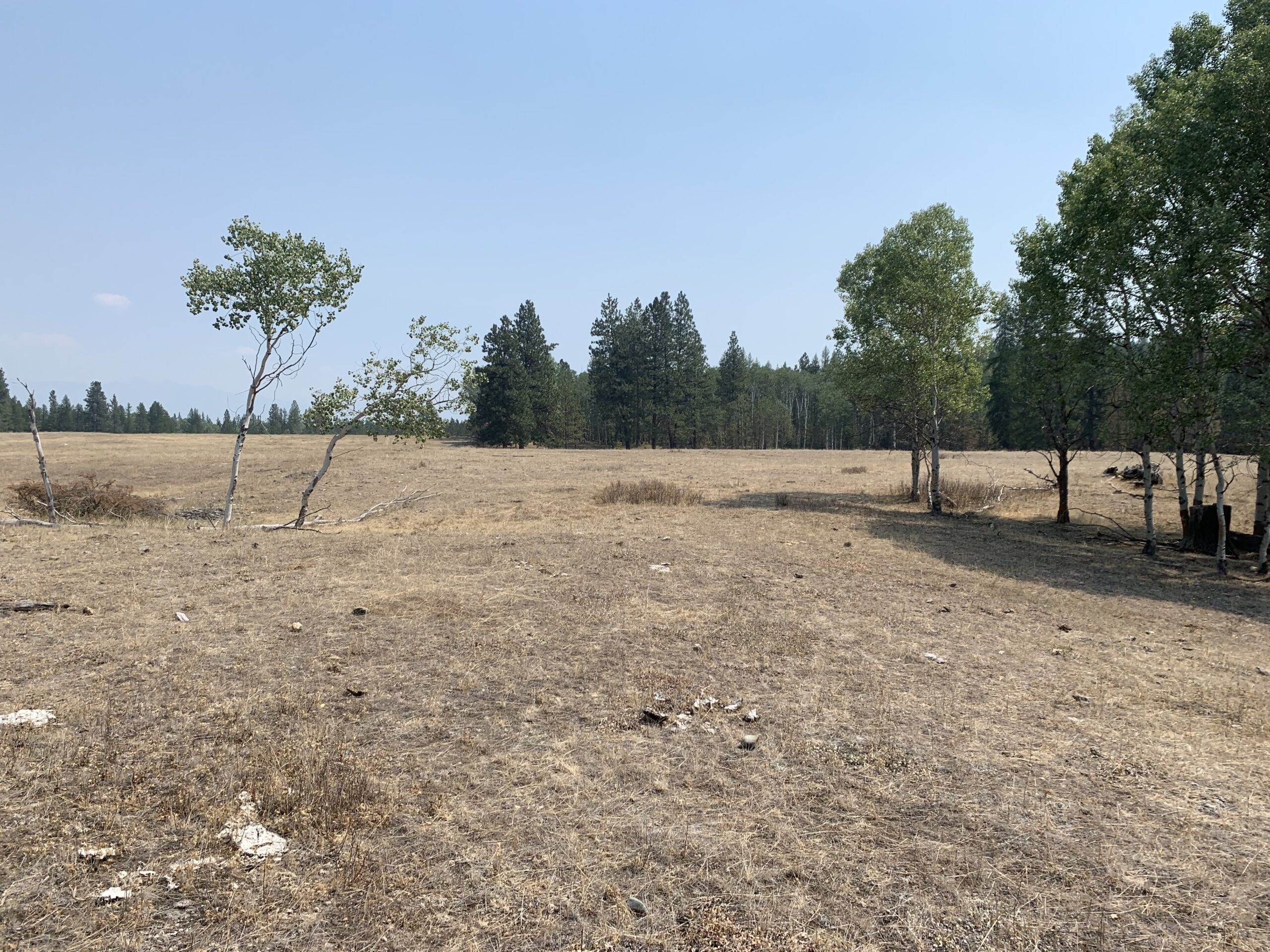
One example is in the 1109-hectare Wycliffe Conservation Complex between Cranbrook and Kimberley, where the NTBC, Nature Conservancy of Canada (NCC), and Ministry of Water, Land, and Resource Stewardship have collaboratively undertaken a multi-year project to document fence condition and needs across the Complex and address them in a prioritized manner. While it may seem counterintuitive, these fences are for conservation purposes, helping protect the abundant biodiversity within, including 12 plant communities at risk of extinction.
“We have to think about the threats facing the conservation areas, many of which come from trespass – whether unintentional or not,” Bosman clarifies. “As an example, livestock or motor vehicles can inadvertently trample plant communities or ground nesting birds such as the common nighthawk, which is a species at risk, and therefore have detrimental impacts on the survival of these species. For this reason, fencing is often constructed along legal boundaries of the Complex. So far, thanks to our funders we have been able to address almost 18 km of fence repairs, removal, new builds and/or replacement.”
Ok, so why aren’t these fences that are protecting wildlife and plant species not also acting as barriers to wildlife movement? The answer is, it depends on the type of fencing.
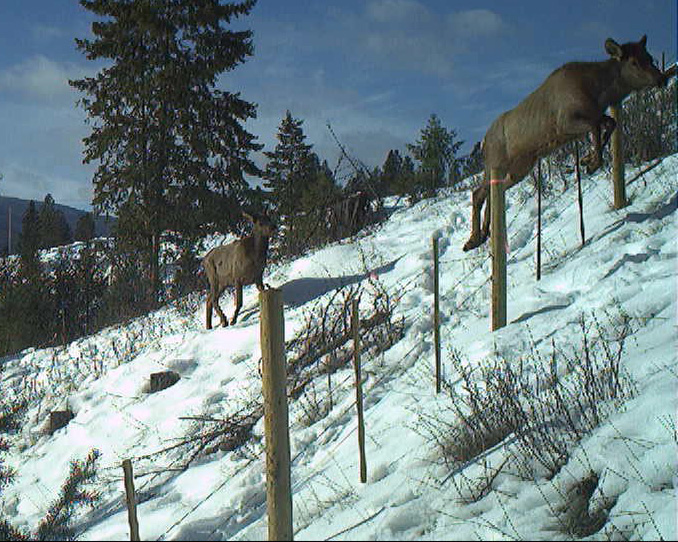
Studies have found that page wire fences (woven wire mesh) topped with a single strand of barbed wire are the most lethal fence type, since they can easily snare and tangle ungulates’ legs between the top two wires. Research by Harrington and Conover (2010) focused on pronghorn, mule deer and elk, found that on average one ungulate per year was found tangled for every 4 km of fence, and 70% of all mortalities were on fences taller than 39 inches.
How can fences be designed and built to be friendlier to wildlife? Two important qualities of a fence that allow for easier movement of wildlife are a higher bottom wire (18”) and a lower top wire (40” or less) than in a standard livestock fence. NTBC and its partners are also lowering the second strand to give more space between the top two wires, so that ungulates can jump over without risk of getting their hooves caught in a trap amongst the two upper-most strands.
“Because 5-strand barb wire fences can be lethal to wildlife, we are using 3-strands of barbed wire plus a bottom strand being smooth wire (high tensile), and raising it 18“ off the ground to allow wildlife to more easily pass underneath, without injury,” Bosman explains.
Further innovations to fencing at the Wycliffe Conservation Complex include the installation of ‘staple locks’ along fence lines at the intersection of well-used wildlife trails. This feature drops the top strand and raises the bottom strand to align with the middle two strands, so in effect, it creates a two-wire fence in a short, defined area, making it more permeable to wildlife.
The concept of ‘wildlife-friendly’ fencing means considering the needs of wildlife and includes the removal of fencing that is no longer serving a purpose, thoughtful planning of where new fences are located, as well as specifications for how those fences are designed and constructed. These specs include the placement of the wires, the types of wires used, and marking the wires for visibility using dropper posts and reflective visibility markers that clip onto wire strands. Many ranchers and farmers are incorporating these and other techniques, such as ‘lay down fences’, in which a section of fence can be laid onto the ground, often before winter arrives, in important seasonal migration areas for wildlife. This facilitates easier passage while reducing fence maintenance costs and efforts.
While ungulate species often come to mind first as being the most in need of well-designed and well-built fences, Bosman adds that “bats can get hung up in barbed wire fences, along with ground-nesting birds and even birds of prey when cruising at lower altitudes. Waterfowl such as diving ducks need a bit of a take-off and landing zone, so fences built near wetlands and riparian areas can present a hazard.”
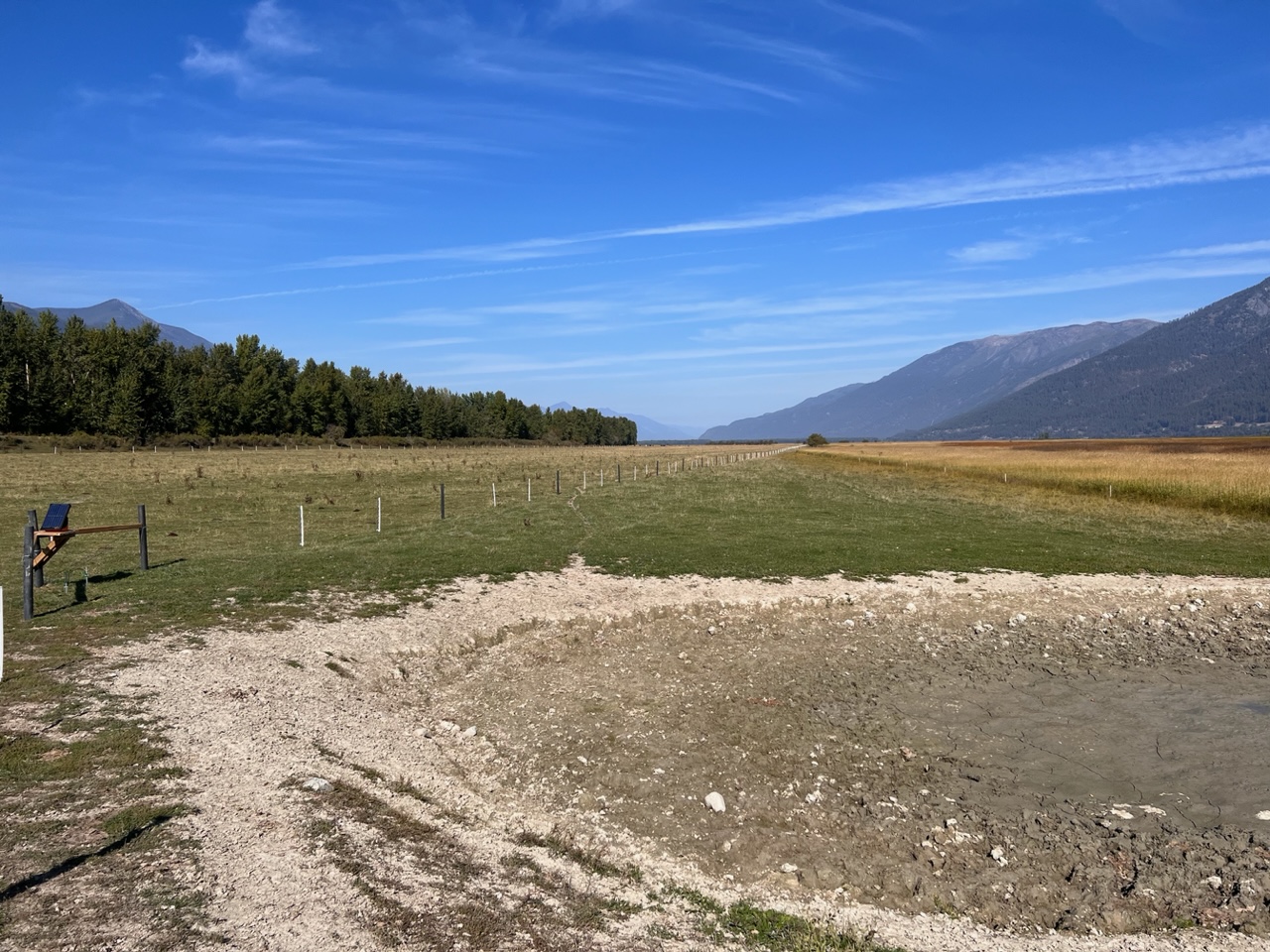
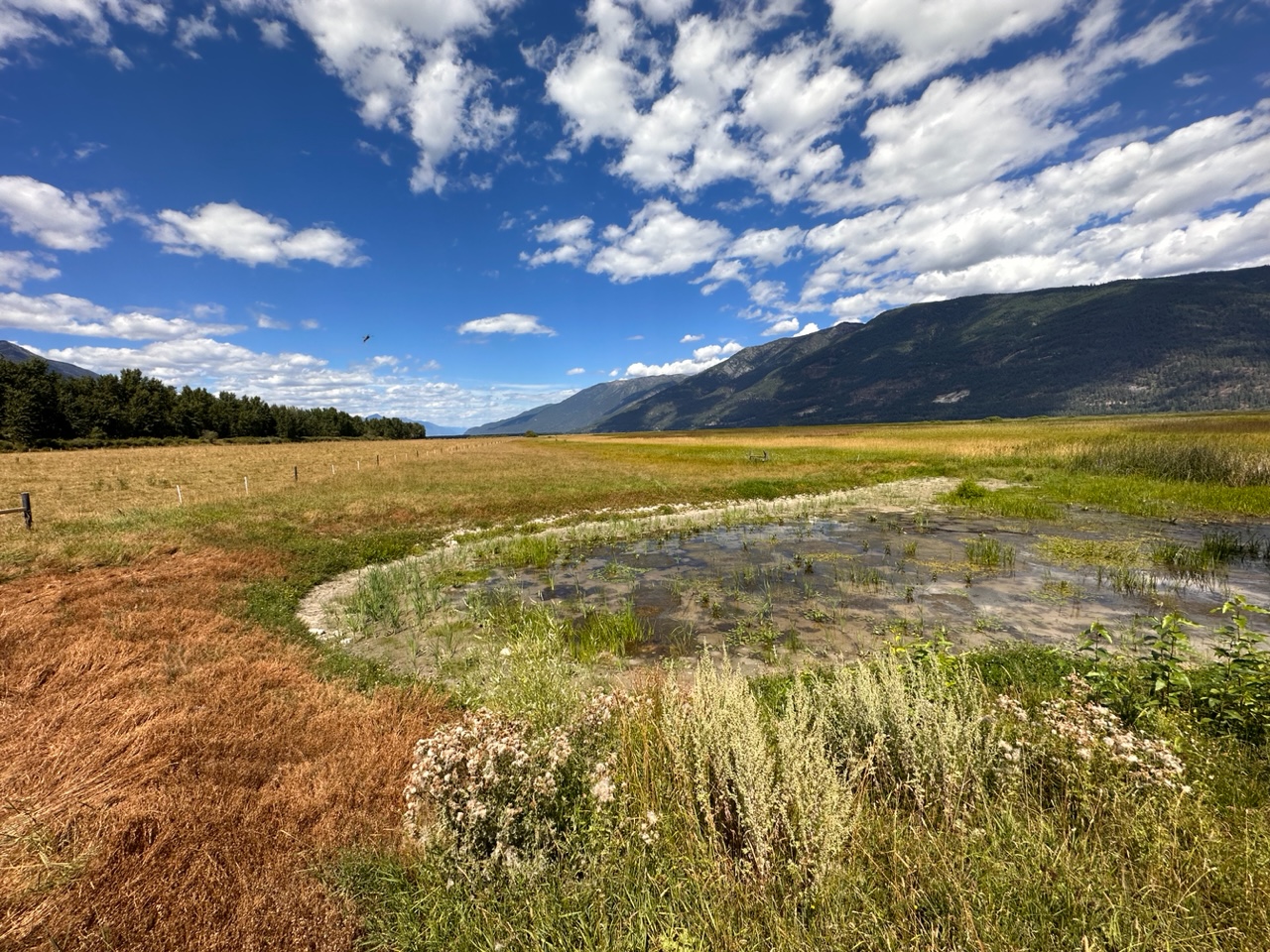
Additional restoration and conservation projects experimenting with wildlife-friendly fencing designs are being funded by Kootenay Connect in the Creston Valley. The Creston Valley Wildlife Management Area (CVWMA) is looking to fences as a management solution to keep cattle out of key breeding and movement habitats of species at risk. A two-strand electric fence was installed in 2022, stretching for 3 km and powered entirely by a solar panel erected on one of the fence posts. Wildlife such as elk and grizzly bears are still able to move past this fence and through the cross-valley corridor connecting the Purcells to the east and the Selkirks to the west.
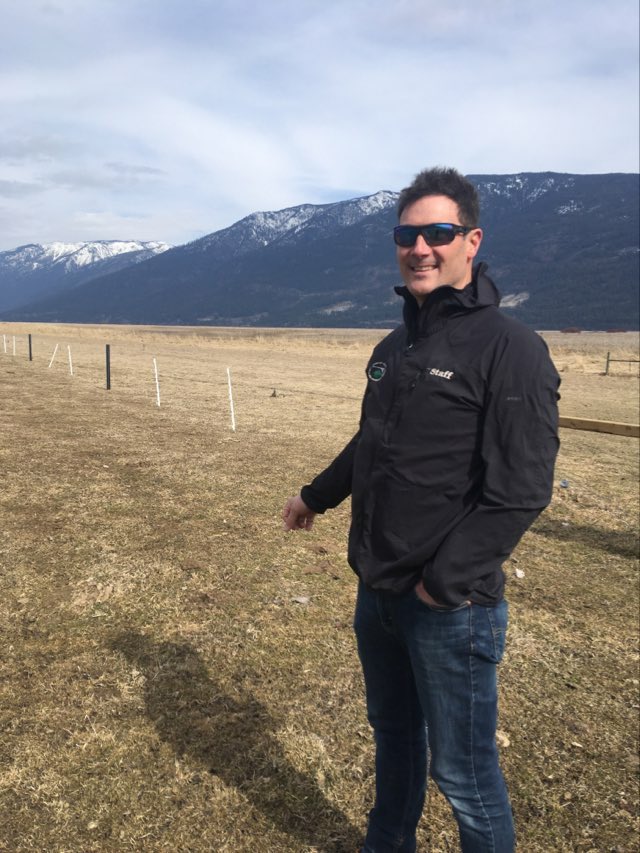
Marc-André Beaucher, Head of Conservation Programs with the CVWMA explains, “The placement of the new electric fence means that the cattle should no longer be able to get into the wetlands in the Duck Lake Nesting Area, which support the last remaining population of endangered northern leopard frogs in BC.”
At the north end of the pasture, the previous four-strand barbed wire fence has been replaced with a barbless one. “This new fence is smooth wire and electrified. It is very important that no cattle get in there once the bobolinks, which are provincially red-listed, start to nest as they are ground nesters and easily trampled,” says Beaucher. Similar to what’s being done in Wycliffe, CVWMA’s lowest strand is 18” above ground as a best management practice that allows for easier wildlife movement, especially for the young-of-the-year. Both projects will also be using visibility markers along the wires, so they are more easily seen by moving wildlife.
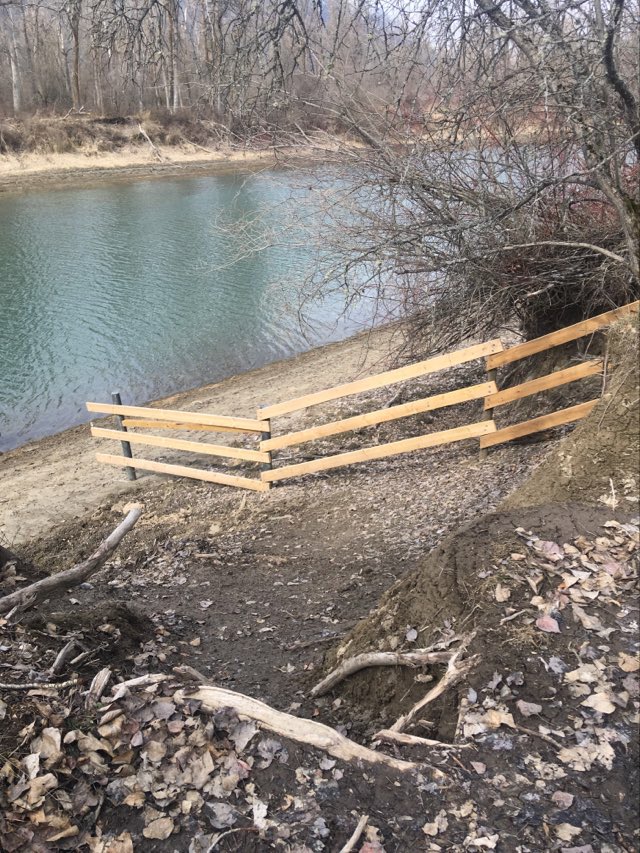
Along the Kootenay River east channel, which borders this conservation area, there are evident signs of erosion on the riverbank. Marc-Andre and his crew built a wooden rail fence near the channel which connects with the new electric fence. “Previously, the cattle had full access to the river for the whole length of this property. Now they can only access it at one designated watering spot, which will prevent erosion elsewhere,” explains Beaucher.
All these innovative stewardship practices will positively affect the biodiversity in both areas of the Kootenays.
“It will be exciting to see the changes in the wetland riparian area and along the eroded banks of the Kootenay River,” says Beaucher. “It’s amazing here in the valley how resilient habitat is and how fast it recovers after you stop the disturbance. I expect the understory vegetation in this corridor will grow back, become more diverse, and produce more insects, which will be better for swallows and bats too.”
In the fields of conservation and agriculture, fences do have their place. When intentionally planned and built with the needs of wildlife and plants in mind, the use of fences can help us to better coexist with the rest of nature.
Chris Bosman, Kootenay Conservation Land Manager with NTBC; Marc-André Beaucher, Head of Conservation Programs with the CVWMA; Male Bobolink on fencepost & Northern Leopard Frog (photos by Marc-André Beaucher); Solar panel powering electric fence near Duck Lake Nesting Area & Rail Fence beside Kootenay River east channel (photos by Megan Jamison); Vegetation growth beside Kootenay River east channel after rail fence was built; Wetland at Duck Lake Nesting Area: Series of 3 photos showing vegetation growth after installation of electric fence: 2021, 2022, and 2023 (photos by Marc-André Beaucher); NTBC Conservation Area in Wycliffe showing results of cattle overgrazing & the regrowth of the plant community just one year after the fence was installed (photos by C. Bosman).