
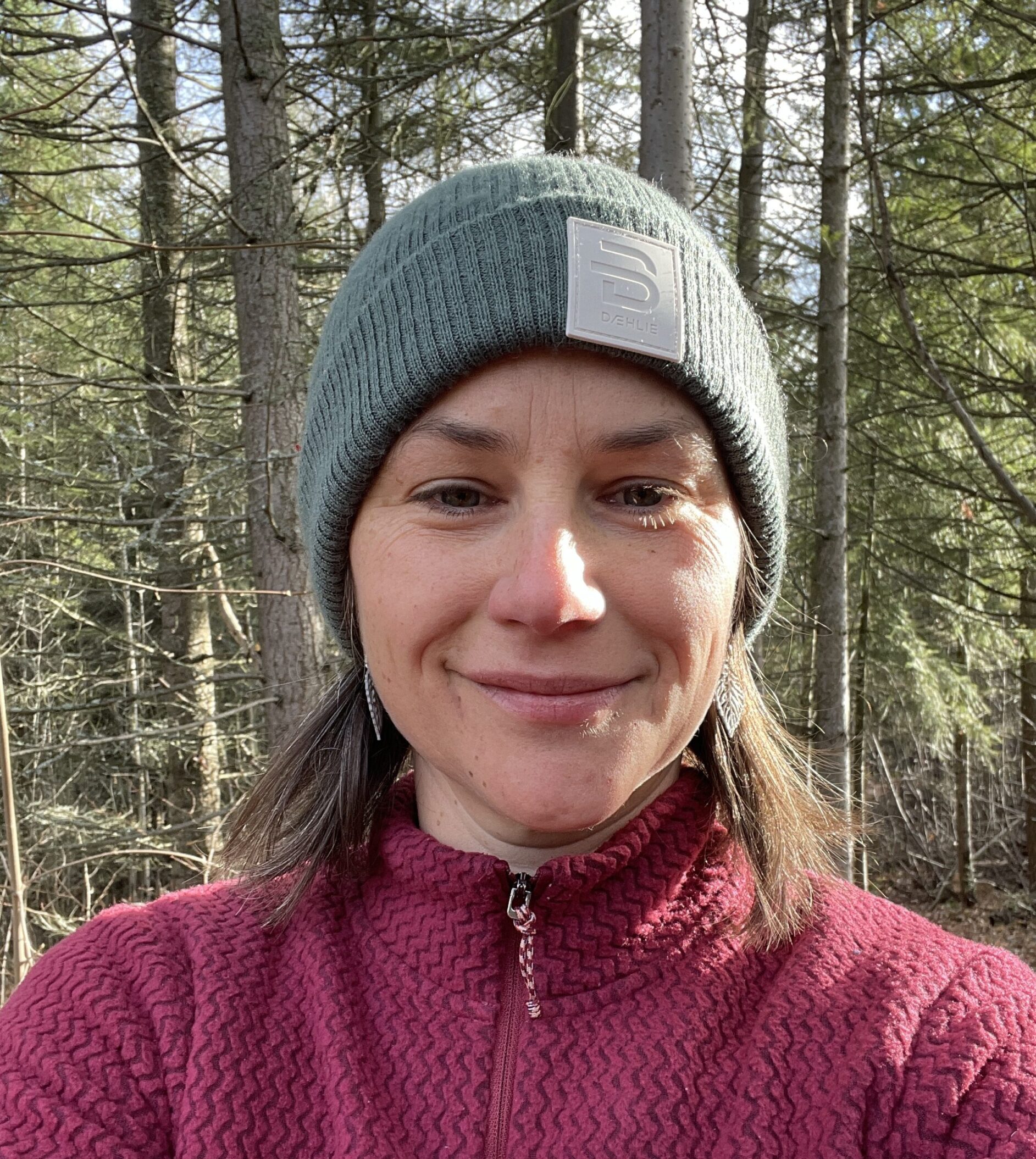
Audrey Ehman, instructor in the School of Environment and Geomatics at Selkirk College in Castlegar, is passionate about inspiring the next generation of land stewards. She teaches the first year of the three environmental diploma programs: Applied Environmental Science and Planning Technology, Forest Technology, and Recreation, Fish and Wildlife.
The programs and the college are significant to her; Audrey was a student herself in the Forest Technology program when she moved to the West Kootenays. She is now a Professional Agrologist (P. Ag) with considerable field experience and is excited to be passing her knowledge on to students. “I love soil classification and am always excited to learn new plants. I enjoy meeting and learning from the students at college. They show up knowing so much and are open-minded, excited and inspired.”
Audrey is especially keen on how the soil, plants, climate, and everything else interacts to create entire ecosystems. This ecosystem perspective is what she teaches her students, which she hopes will build an ethic of conservation.
“When we get to know what’s around us, when we give names to all the living organisms and build a relationship with each one, that is when we start to care for it all in a deeper way. I think that’s what I love about this work, and how I feel like I’m informing conservation in a very tangible way through teaching.”
After Audrey completed the Forest Technology program, she worked as a research technician in the biogeoclimatic ecosystem classification (BEC) program. Now, in addition to her teaching, she continues to do some BEC work, as well as other fieldwork including working for the Fish & Wildlife Compensation Program on a fire restoration project near Syringa and Deer Park. Her on-the-ground ecology work informs her teaching in meaningful ways. “When I talk about fieldwork with the students, and mention things like getting in the helicopter, their eyes brighten with excitement.”
She’s also currently working with the Conservation Data Centre to do ecosystem ranking of rare, at-risk ecosystems. Essentially, whole ecosystems are being categorized in the same way that at-risk plants and animals are ranked.
“I want people to know about rare ecosystems, so they prioritize and consider them in all relevant decisions. I feel strongly that we should focus on stewarding habitat, rather than focusing on individual species. For example, if we do a good job of stewarding our wetlands as vital habitat, they will continue to support many species at risk.”
Audrey would like to recognize the people she has worked with in the field over the years. The mentorship and experience of Evan McKenzie, Marlene Machmer, and Deb MacKillop have meant a lot to her.
She grew up in Regina, Saskatchewan, and enjoyed many camping trips with her family in the prairie river valleys. After a stint living in Jasper, Alberta, she heard about the programs at Selkirk College, and decided to make the move. She is grateful to be able to work amongst so many collaborative conservation professionals here in the Kootenays.
“The collaboration that happens at Selkirk College is really fun. My colleagues include hydrologists, foresters, fisheries and wildlife biologists. Together we create multi-disciplinary learning opportunities for our students. For example, in the spring we do a riparian assessment at a local creek; the fisheries biologist teaches about instream habitat, and I talk about the aquatic ecosystem. The students collect data and merge these concepts together. We’re modelling professional collaboration while demonstrating the importance of cross-disciplinary approaches to complex environmental issues.”
She also appreciates learning from colleagues through Kootenay Conservation Program (KCP)’s annual Winter Webinar series, and the collaboration that comes from KCP gatherings.
“I always love when I can make it to KCP’s meetings and Fall Gatherings. It keeps you engaged and inspired to hear about all the good work happening around you, the possibilities. The amazing webinar series that KCP and CMI (Columbia Mountains Institute for Applied Ecology) put on is inspiring; this year’s webinars on beaver restoration and fire restoration were incredible. I believe that it’s important to be continuously learning, and those are easy opportunities to keep learning.”
Audrey was a presenter for the 2026 Winter Webinar series as well. Her presentation focused on the classification, distribution, and best management practices for the unique, dry, non-forested brushland grassland ecosystems of the West Kootenay. Her knowledge of these at-risk ecosystems is an important part of efforts to conserve this vital habitat.
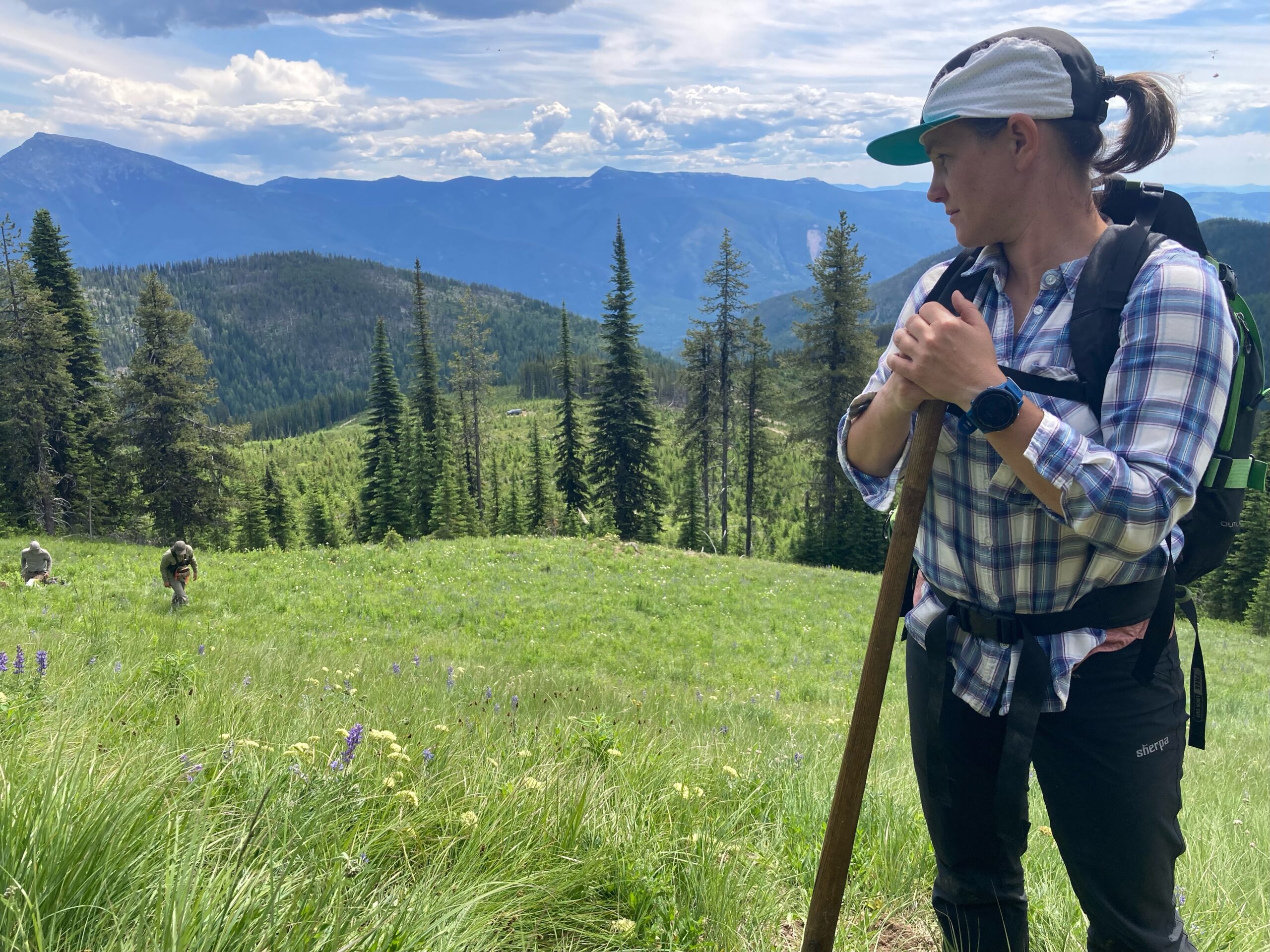
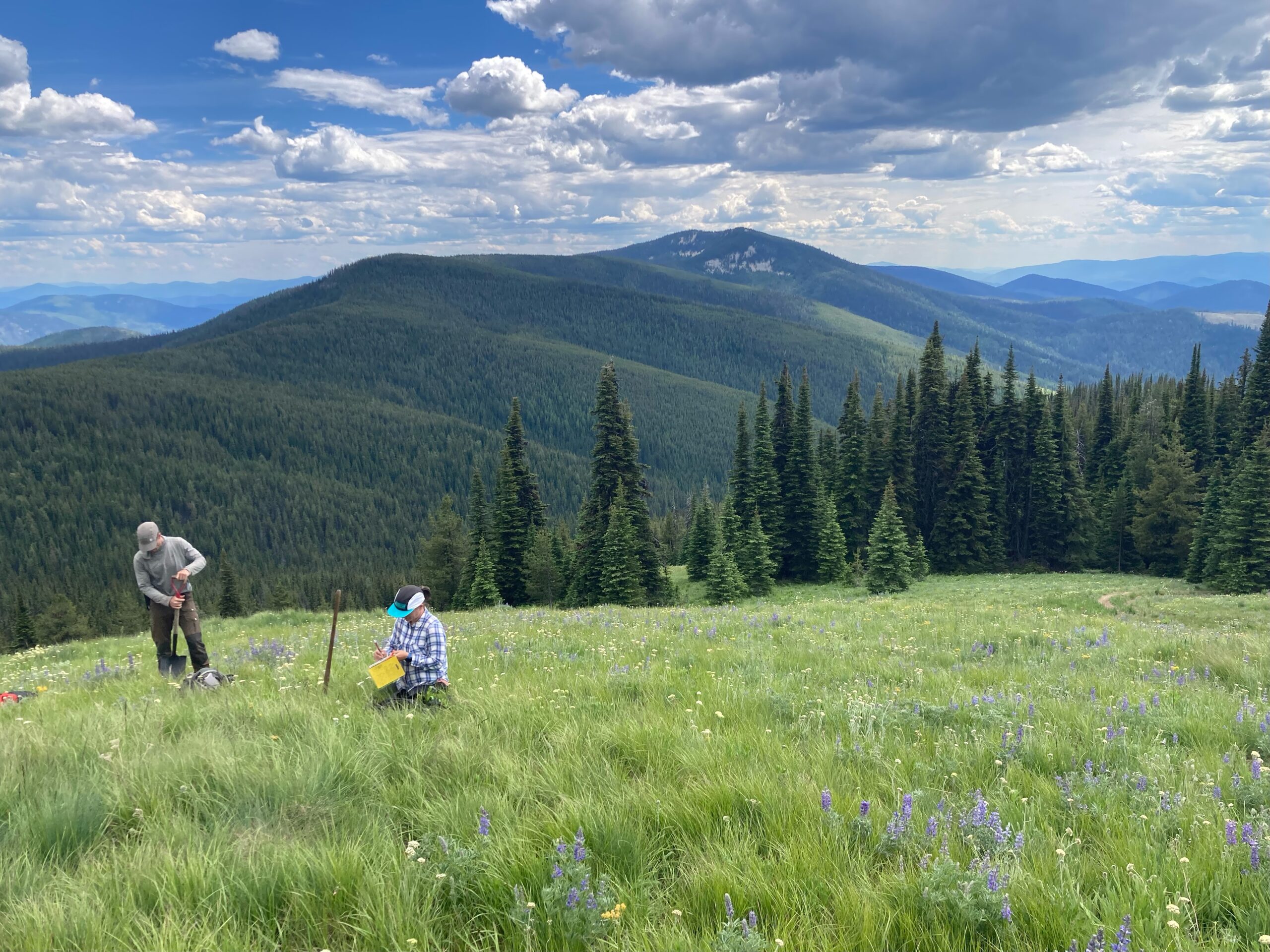
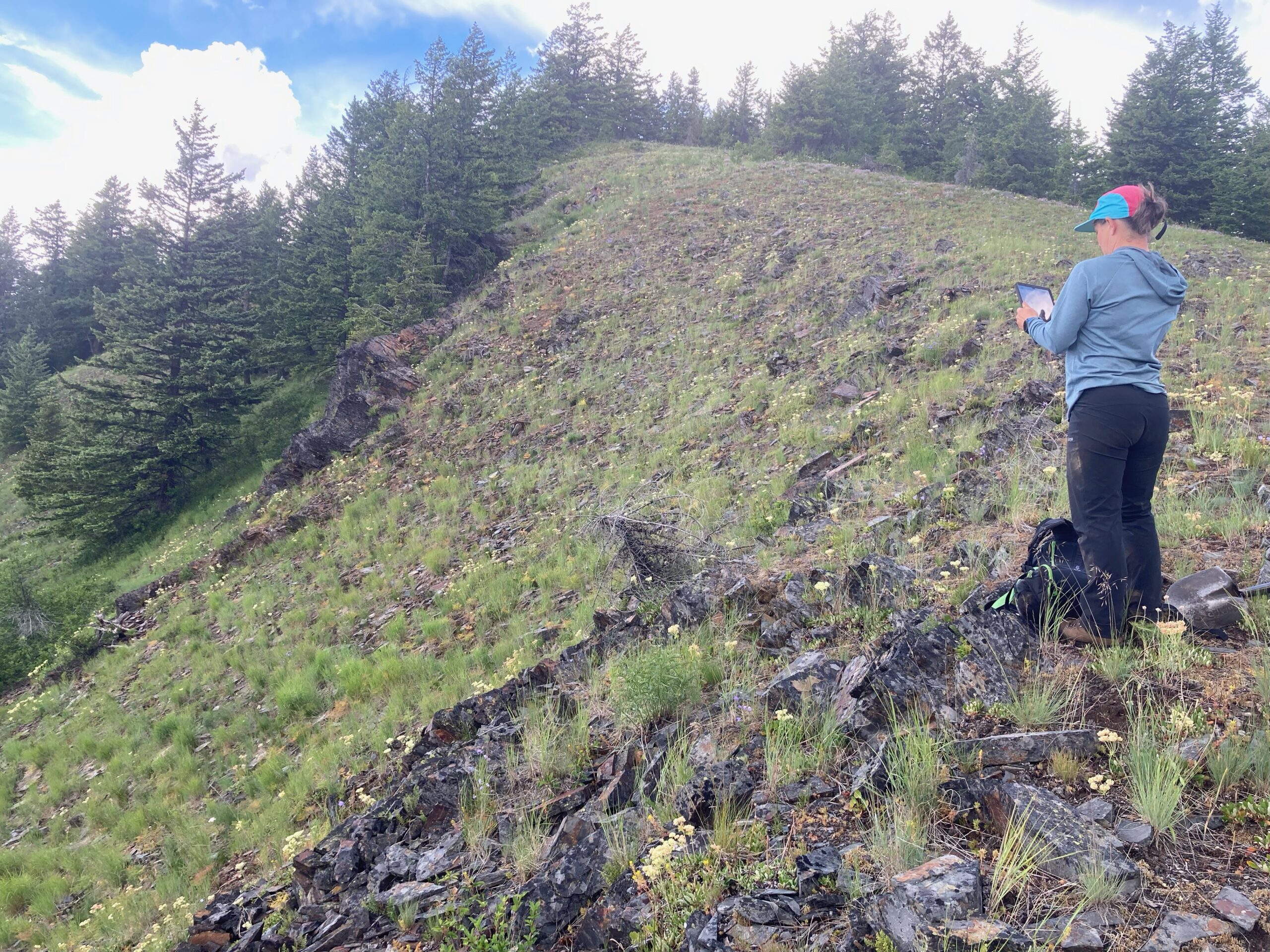
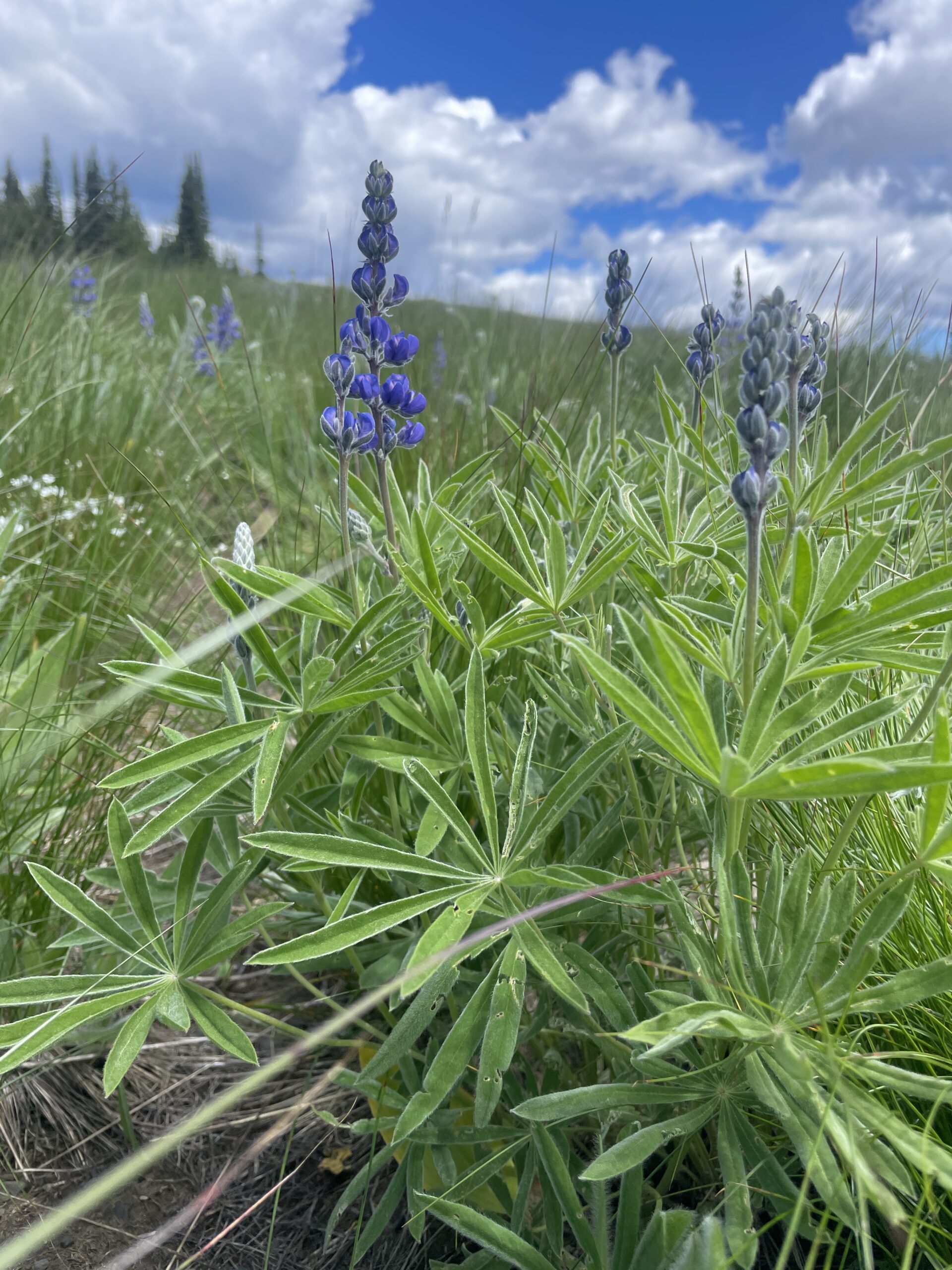
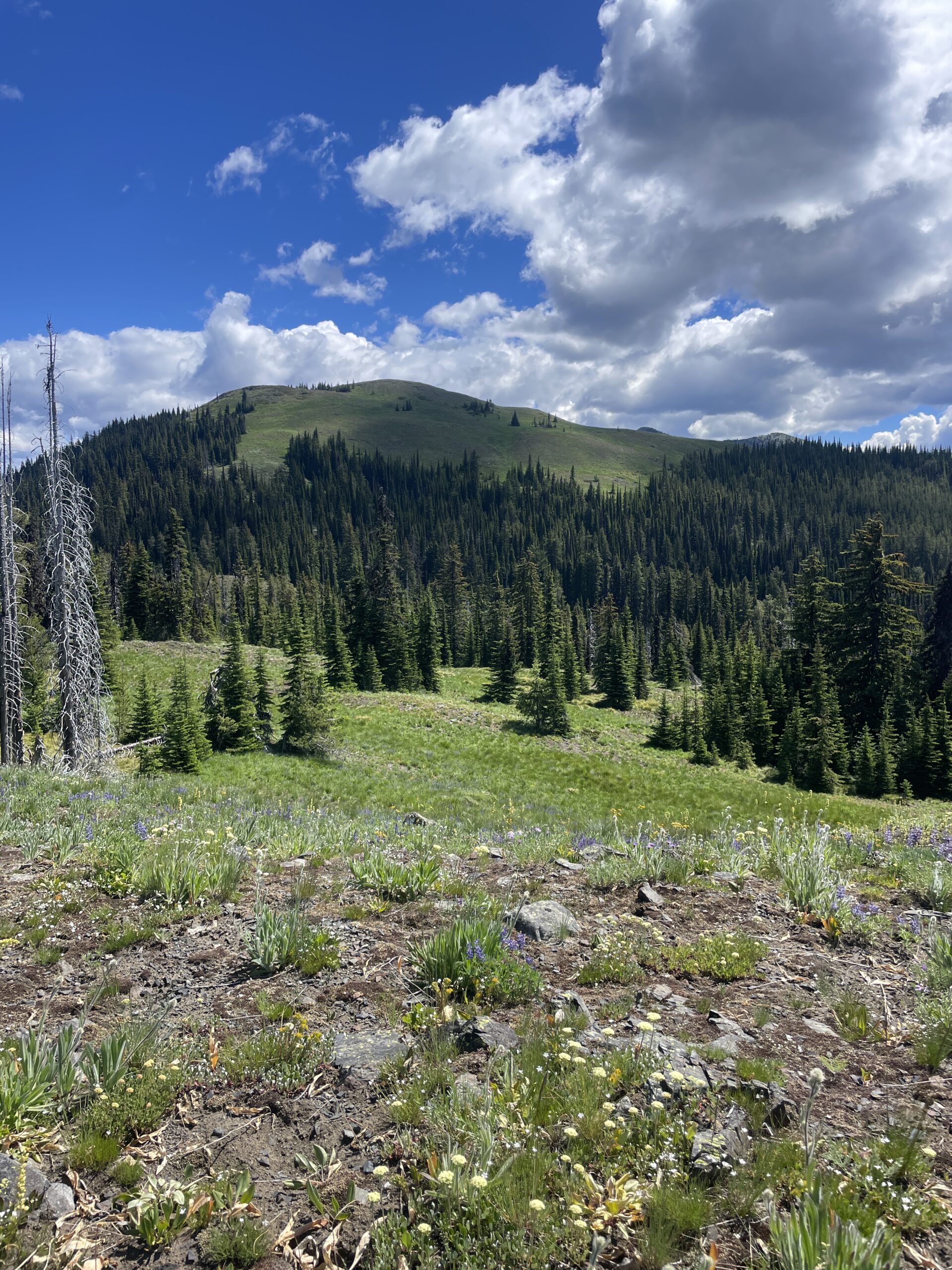
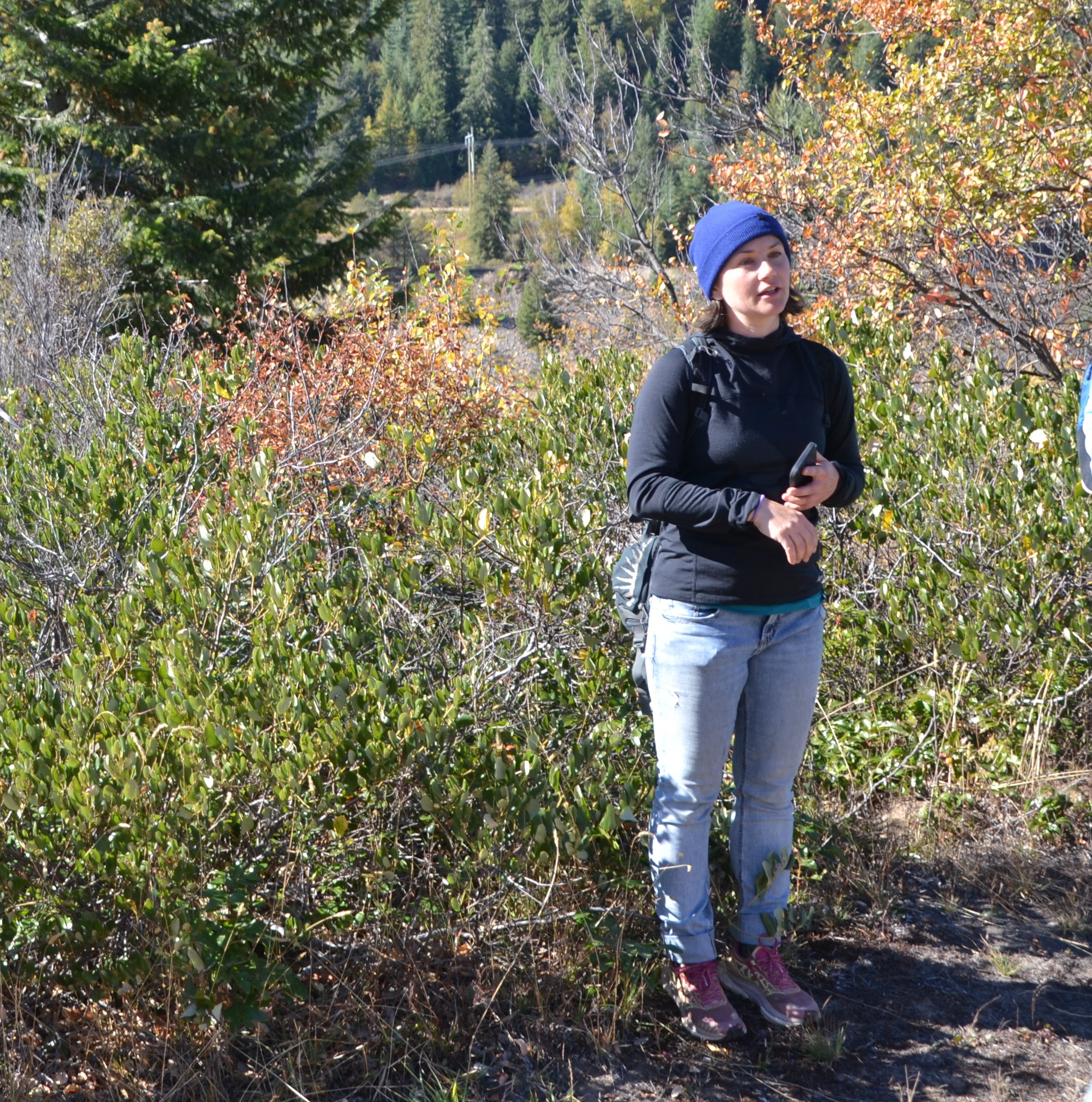
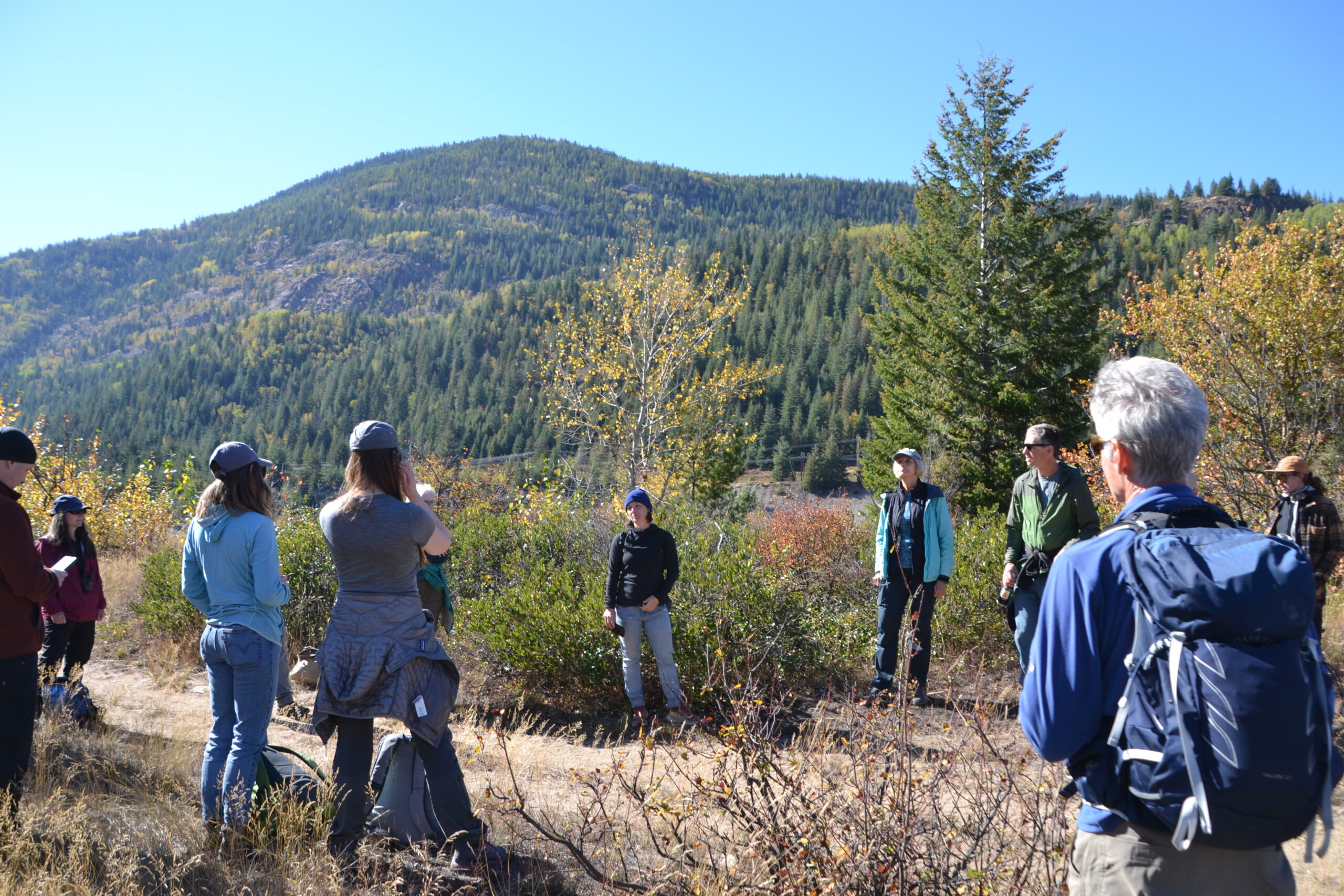
Photos: A current project for Grasslands Conservation Council (GCC) looking at grasslands in the Boundary/West Kootenay: Audrey surveying high elevation grasslands at Mount Saint Thomas on Paulson Pass (Emily Cameron photos); Audrey surveying grasslands on Kitchener Face near Creston (Emily Cameron photo); Silky lupine and landscape from Nevada Mountain, Kootenay Pass, more high elevation grasslands; Audrey presenting about the brushland grassland ecosystem during the 2024 KCP Fall Gathering at Beaver Creek Provincial Park (Megan Jamison photos).


