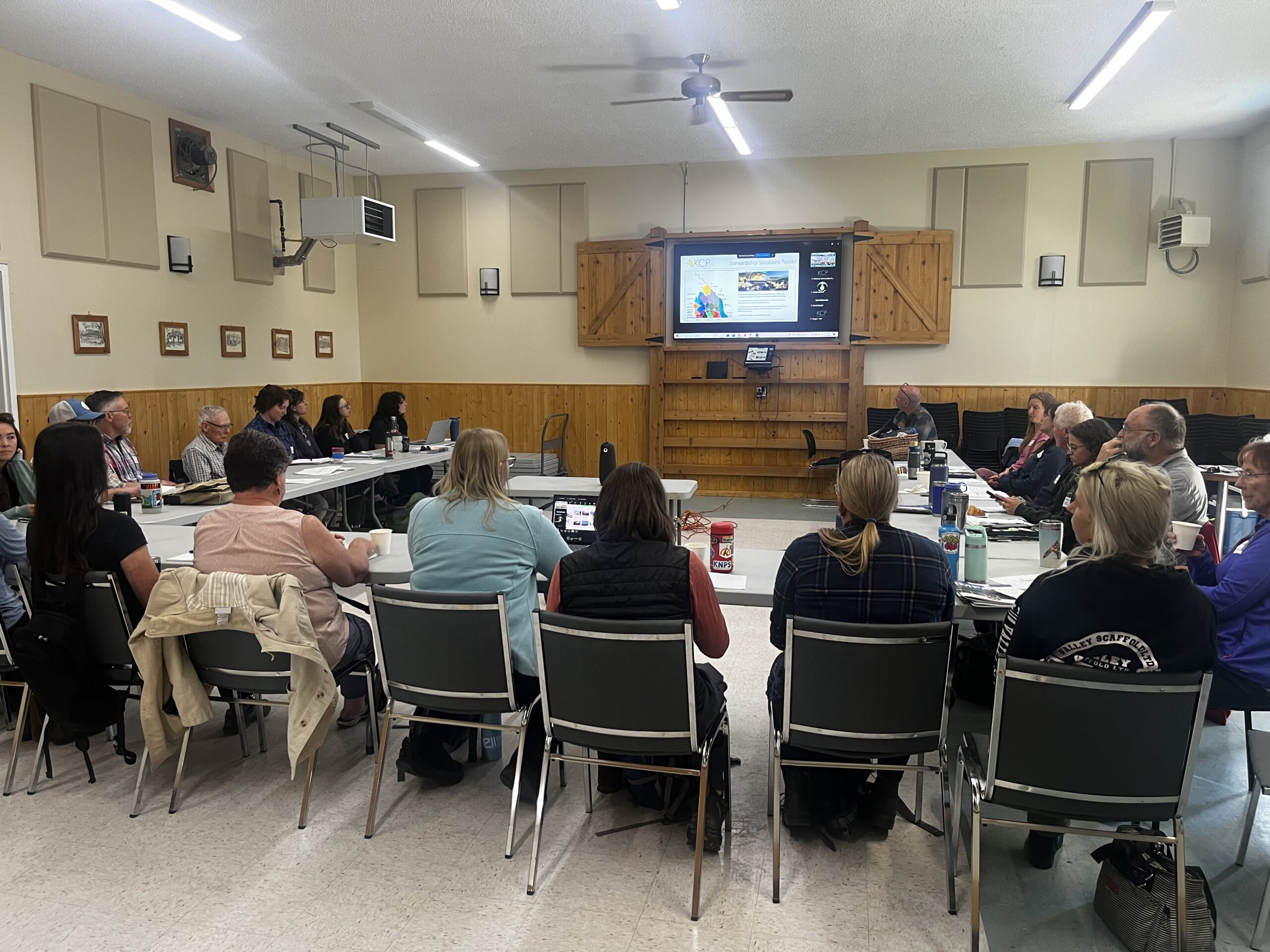
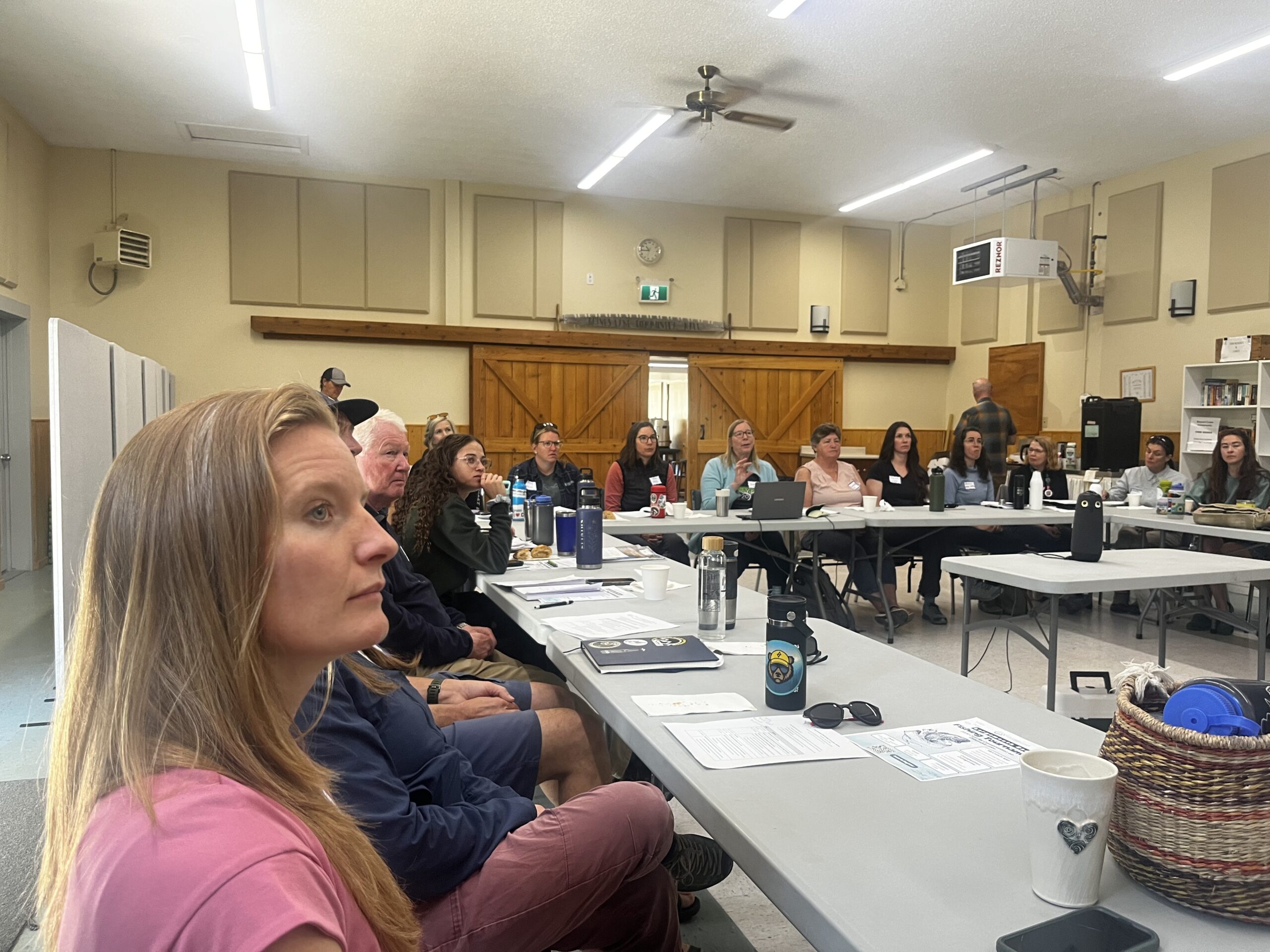
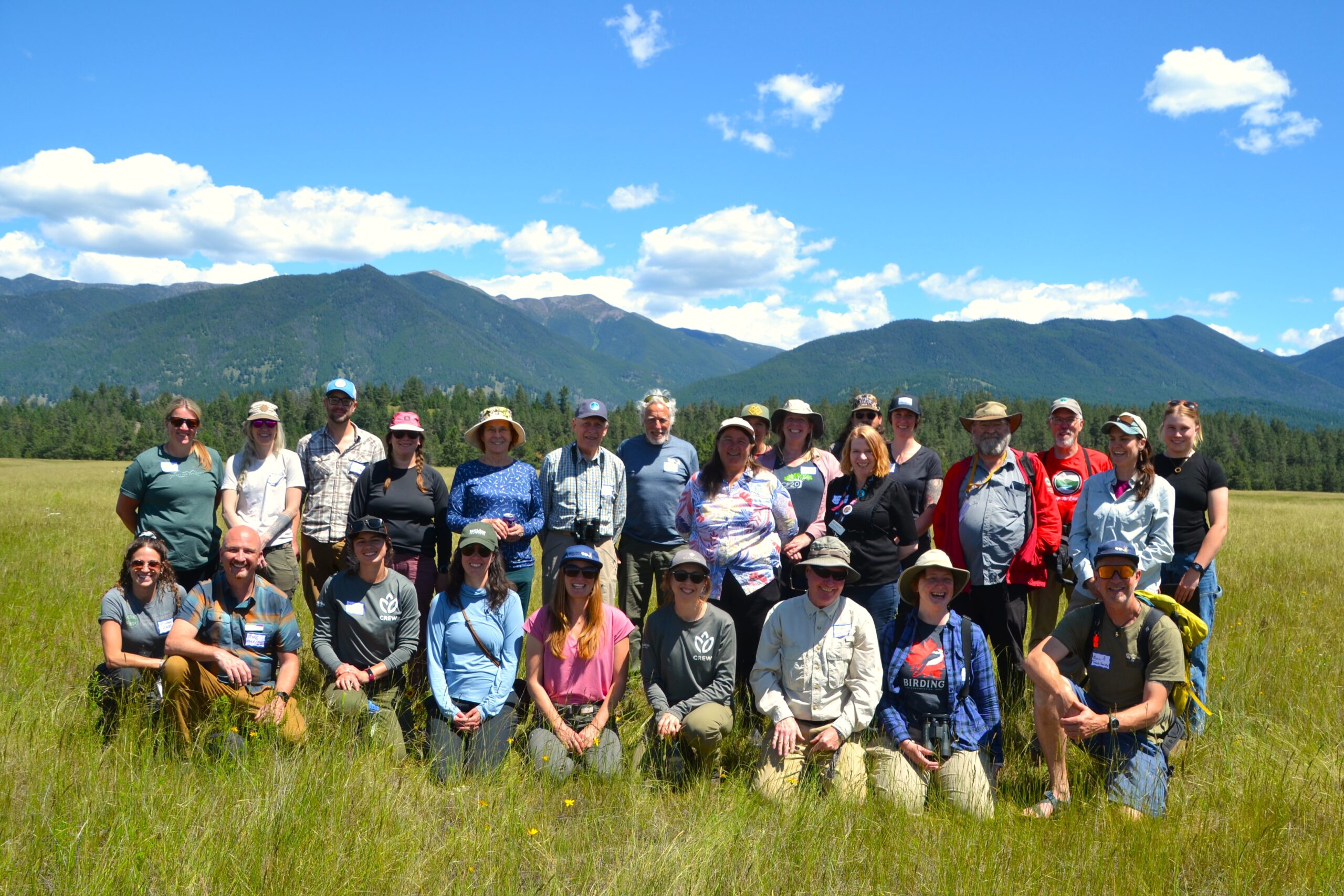
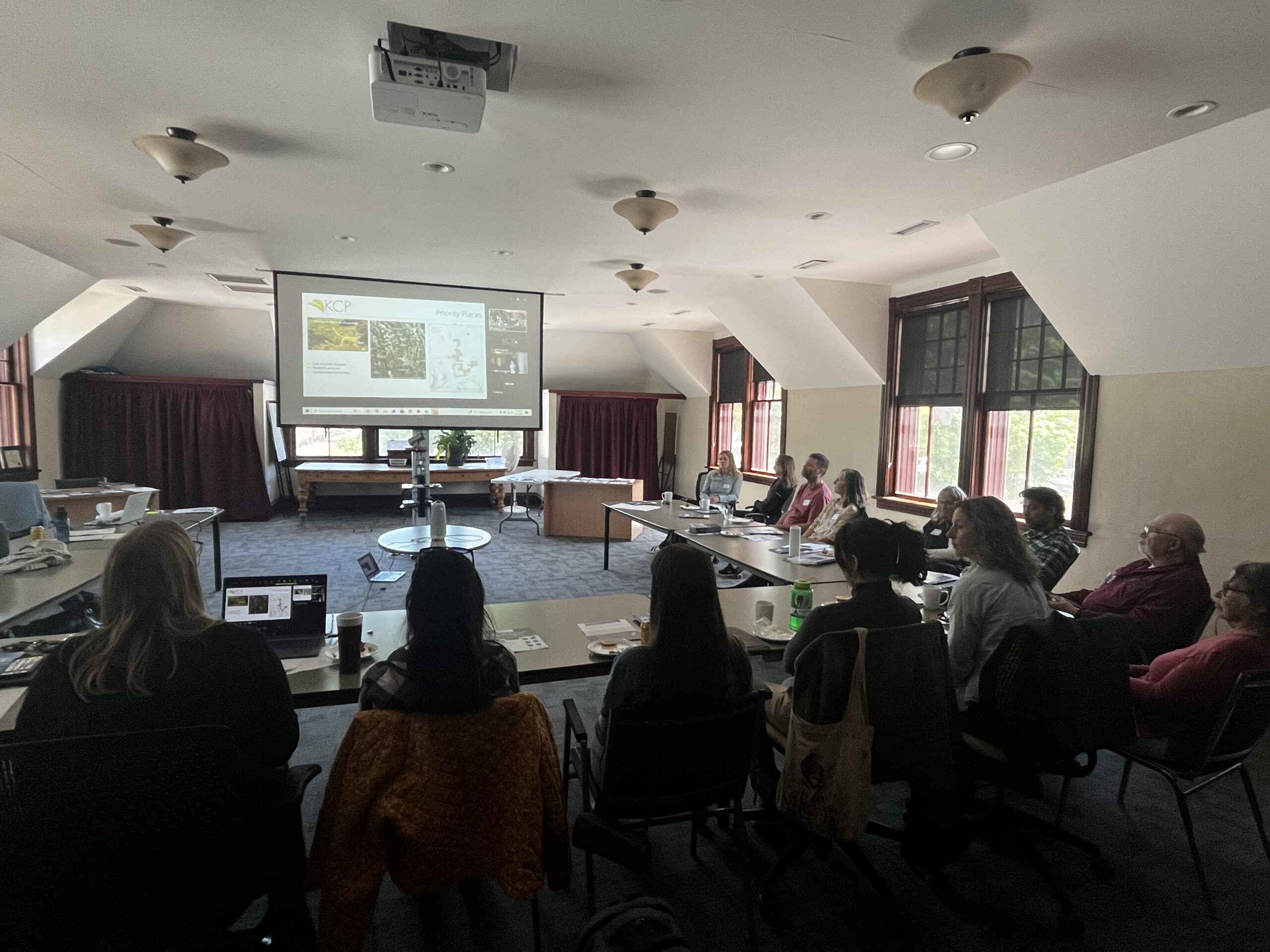
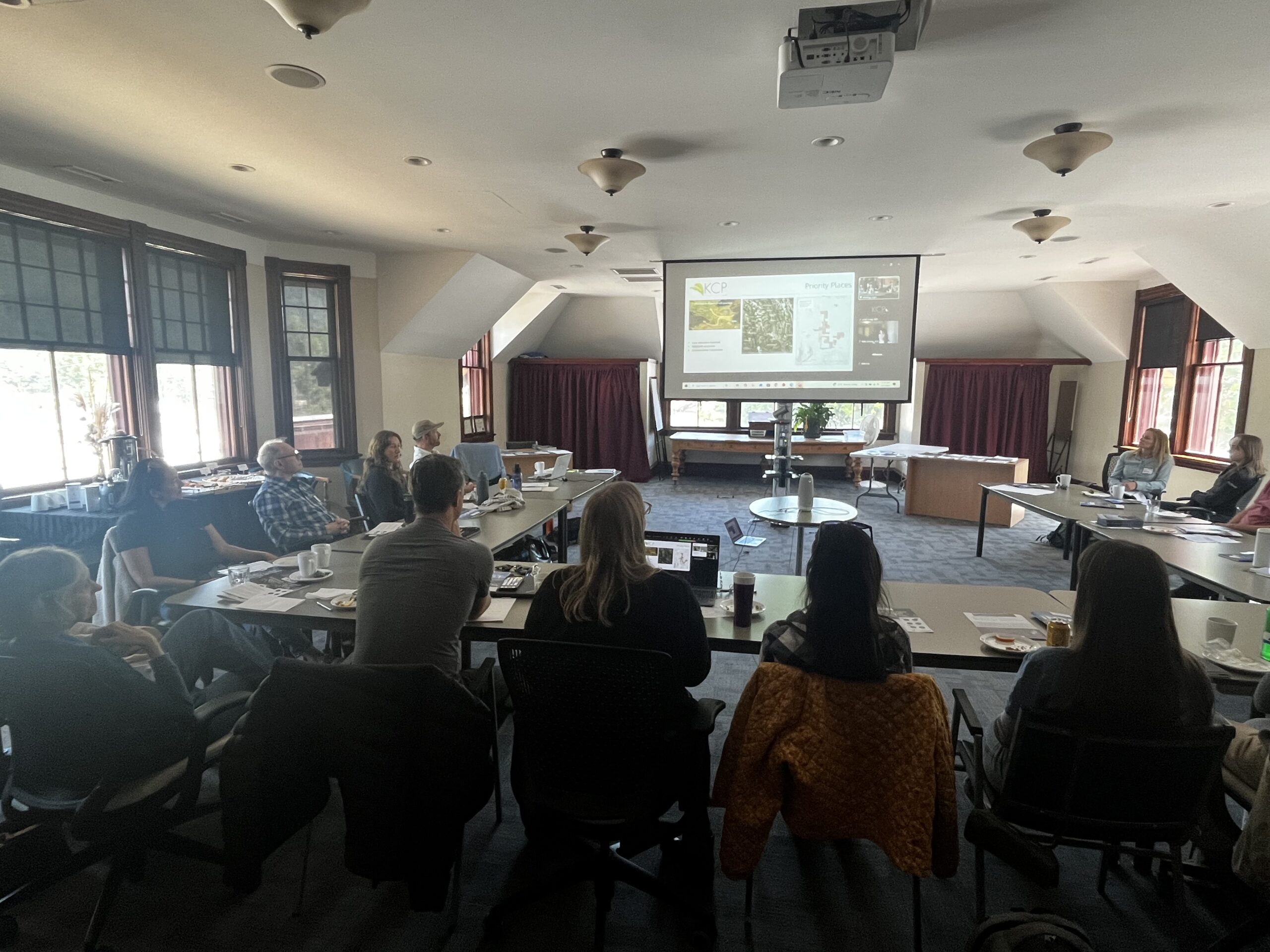
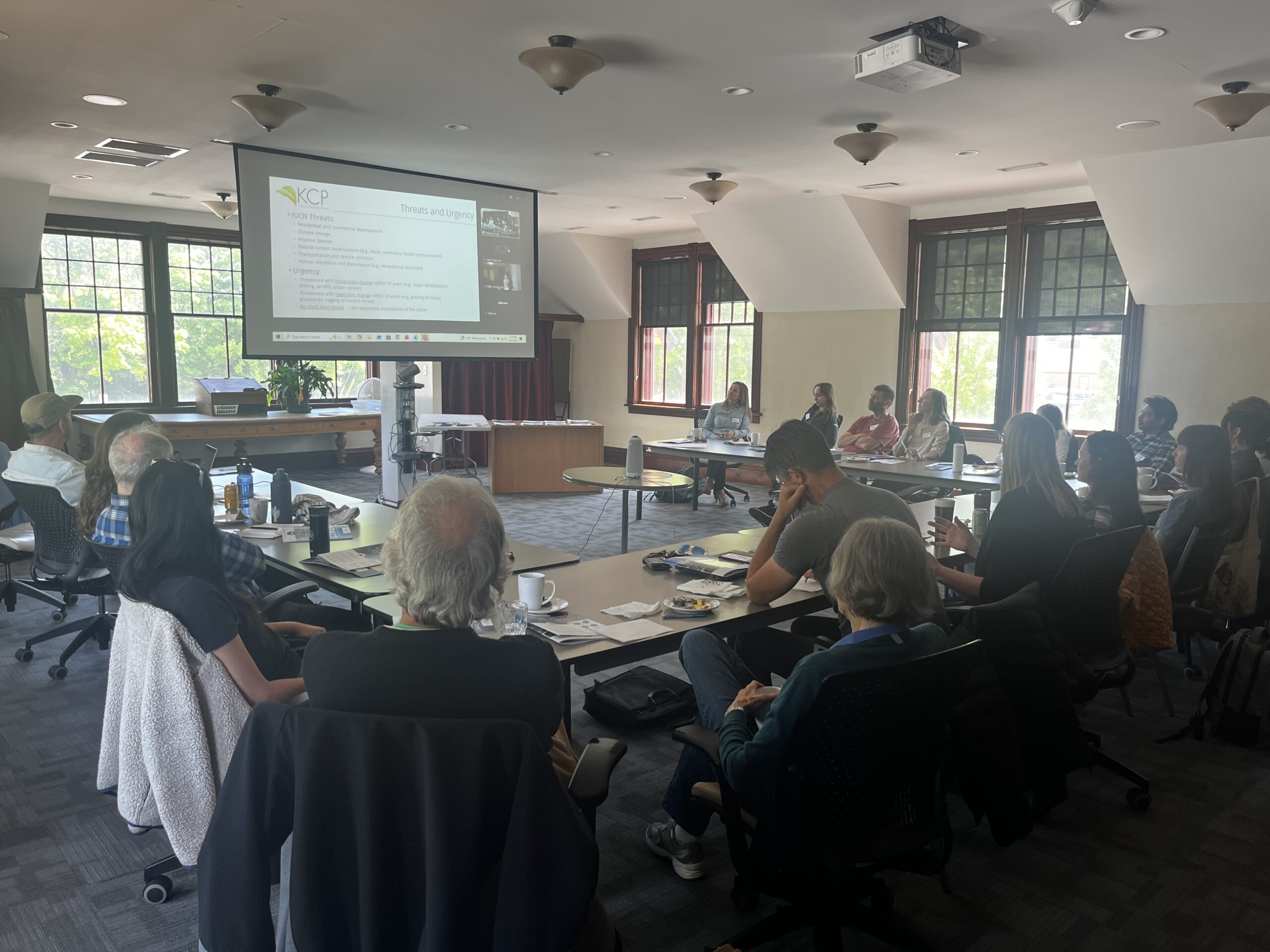
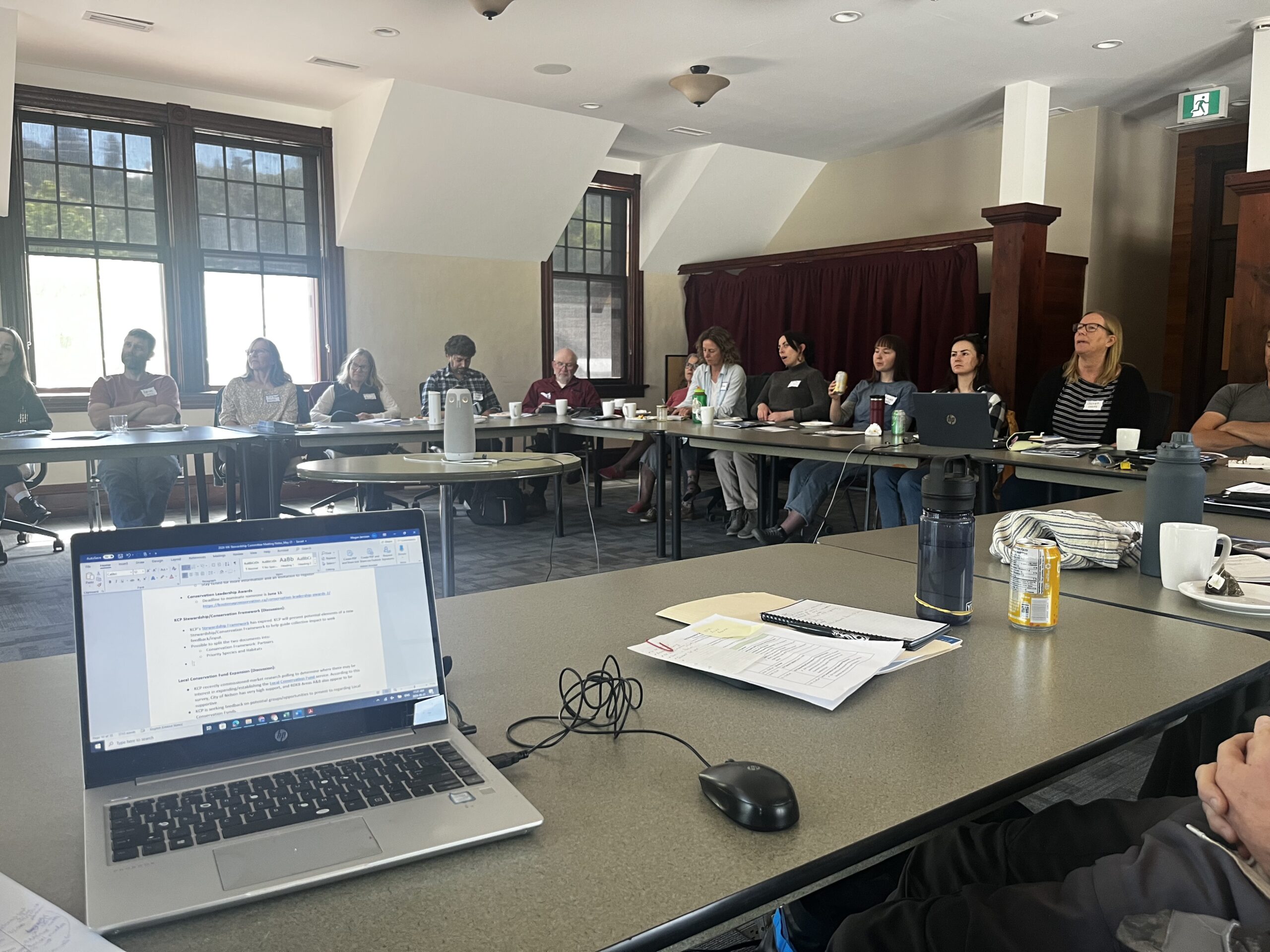
In May 2026, KCP hosted a West Kootenay Stewardship Committee meeting in Nelson, and in June 2026, an East Kootenay Stewardship Committee meeting in Baynes Lake, with the option of remote attendance via Zoom for both.
Each of the attendees provided a short update on their organization’s activities using the following two questions as a guide: (1) What’s 1 item or activity that you are working on that you want to be sure others know about? (2) What’s 1 potential collaboration that you/your organization could offer, or you would like to request from others? There was also an opportunity for discussion about updating KCP’s stewardship framework, which generated engaged and productive conversations.
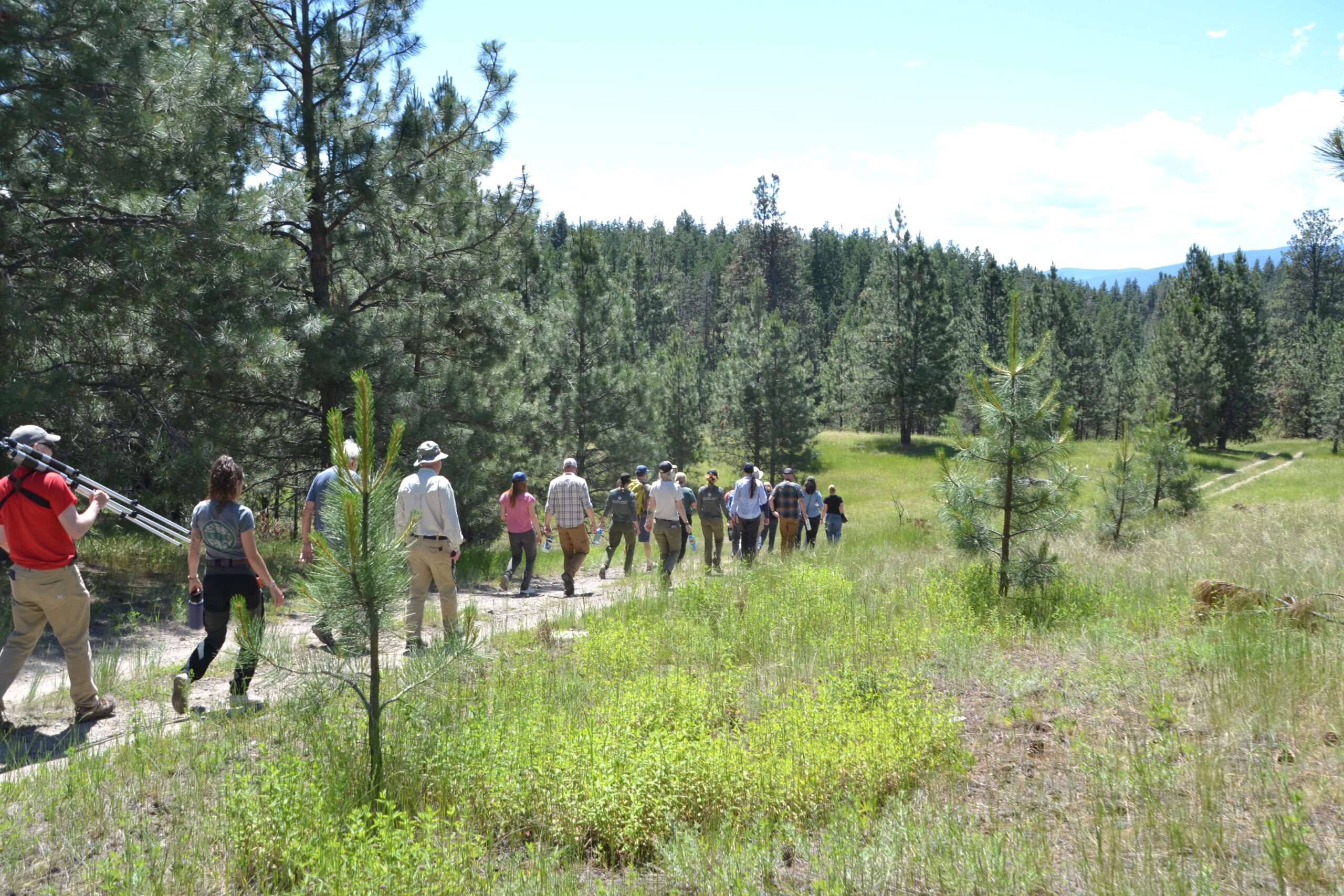
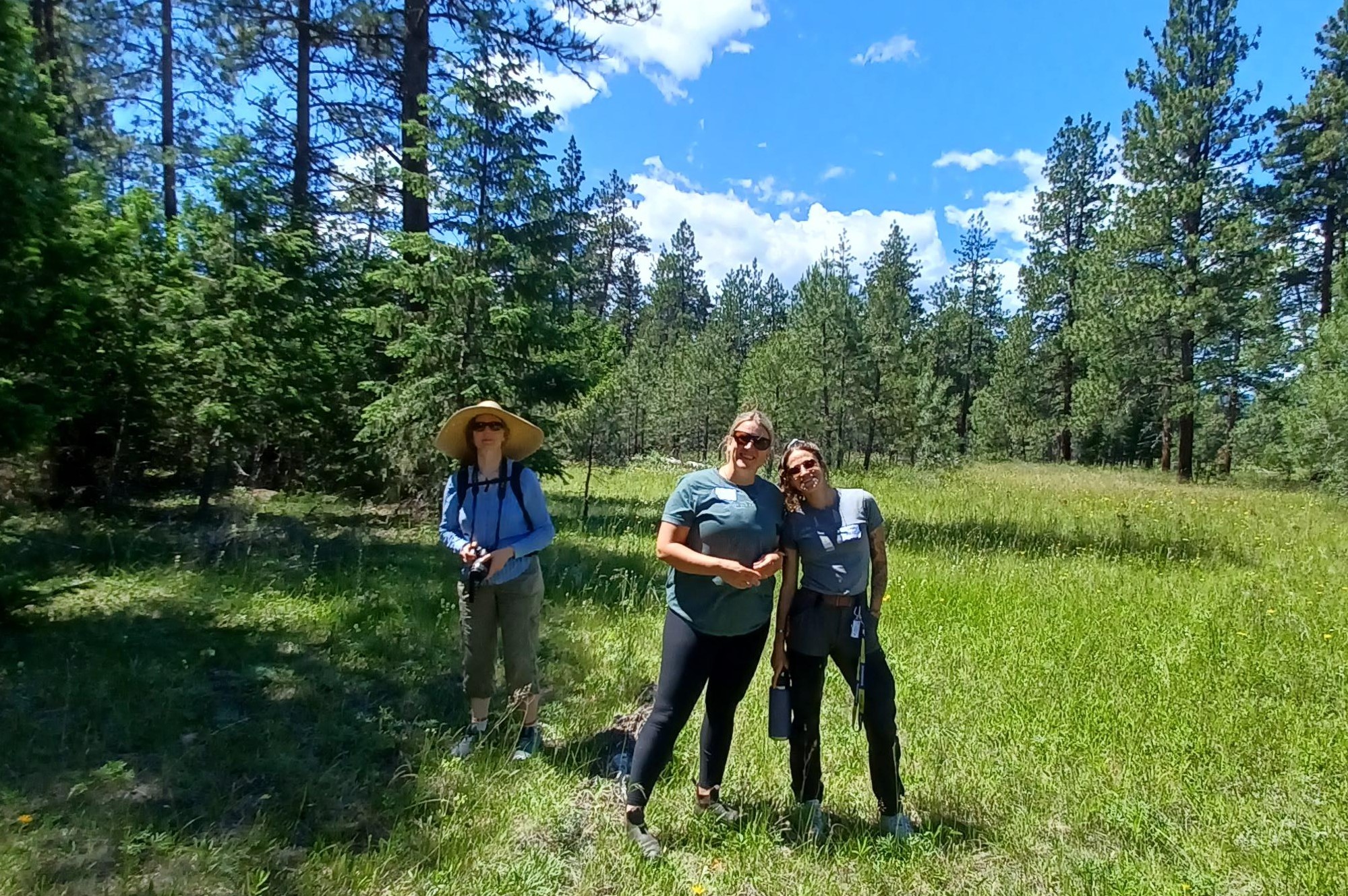
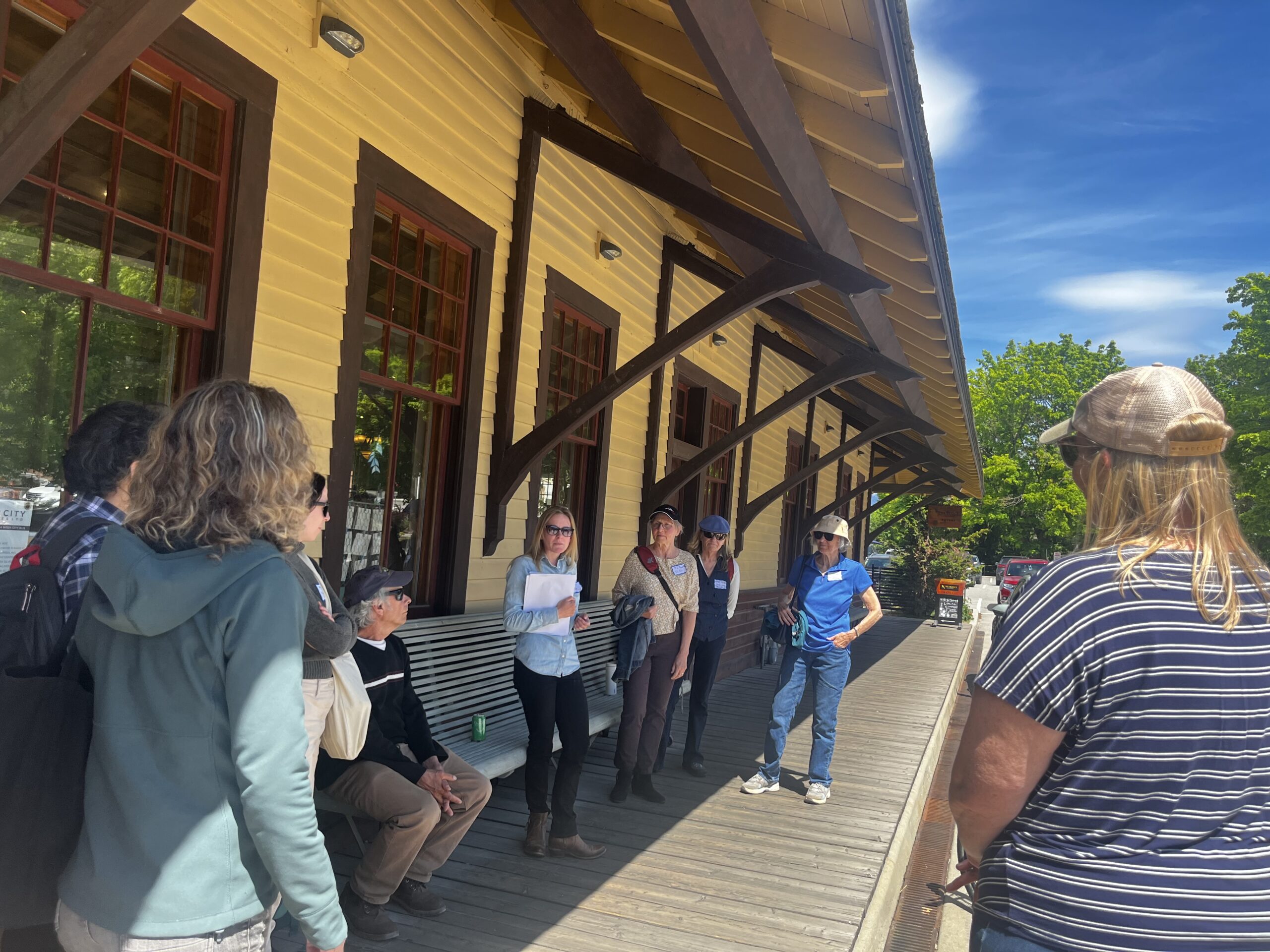
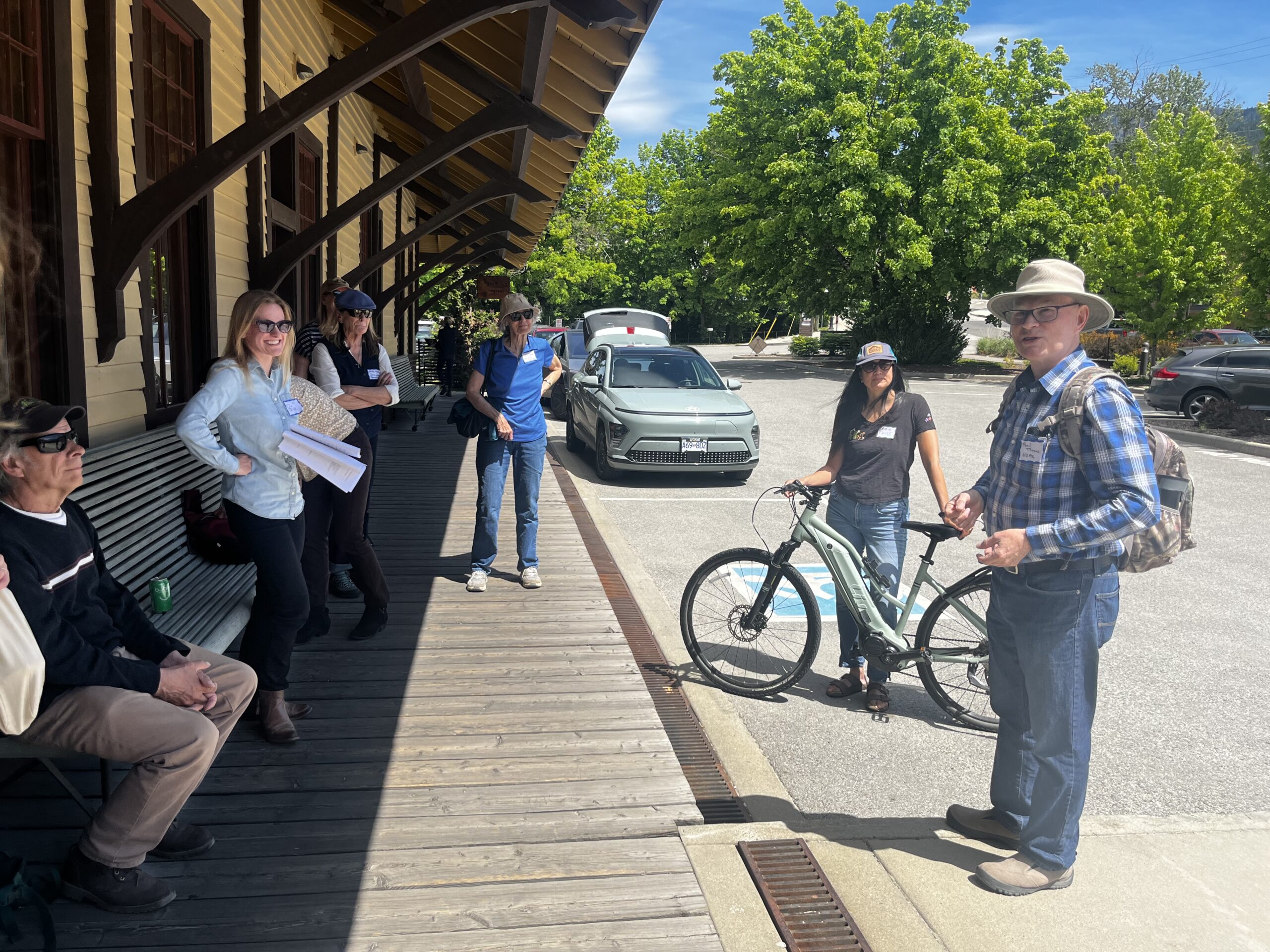
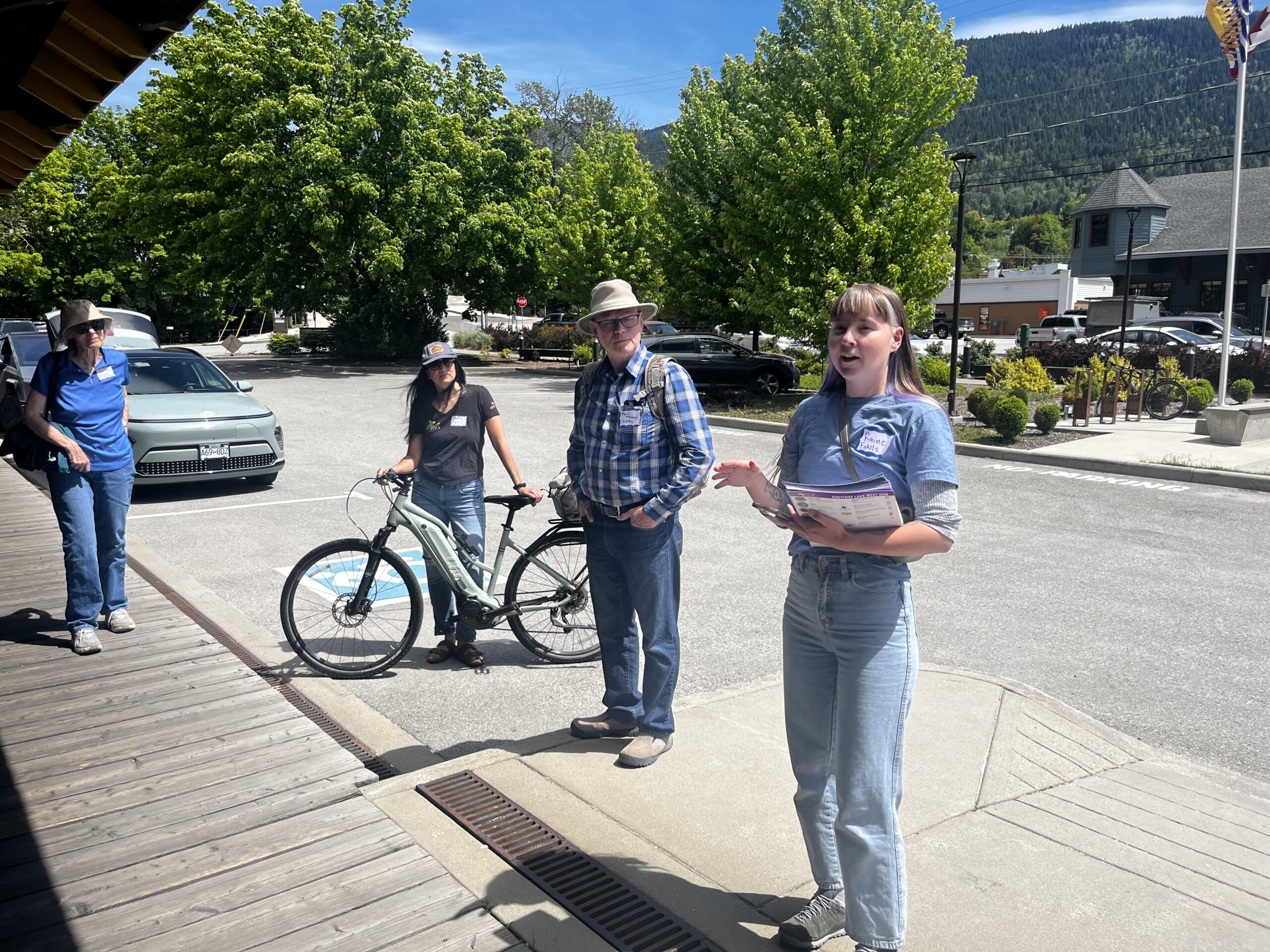
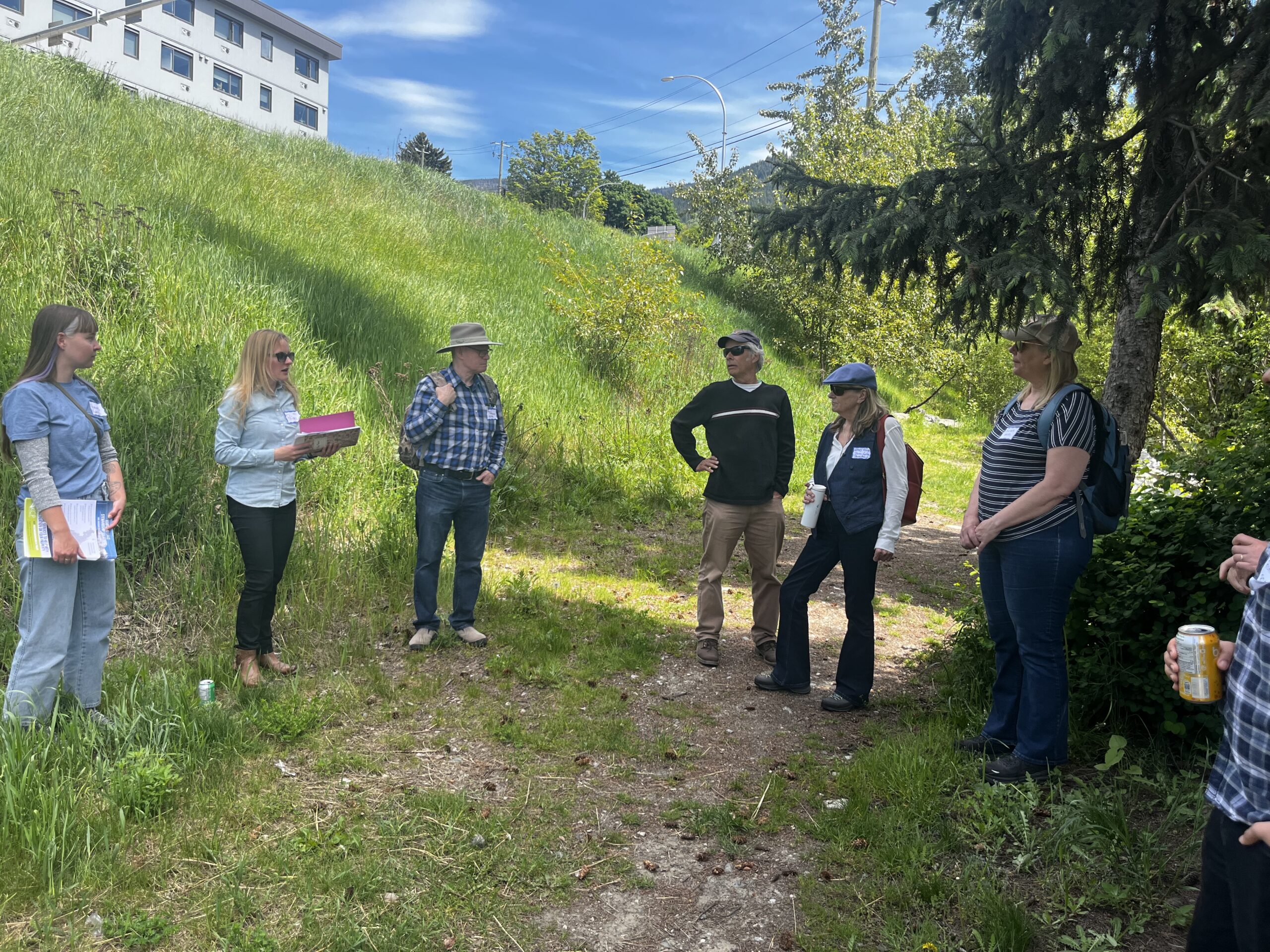
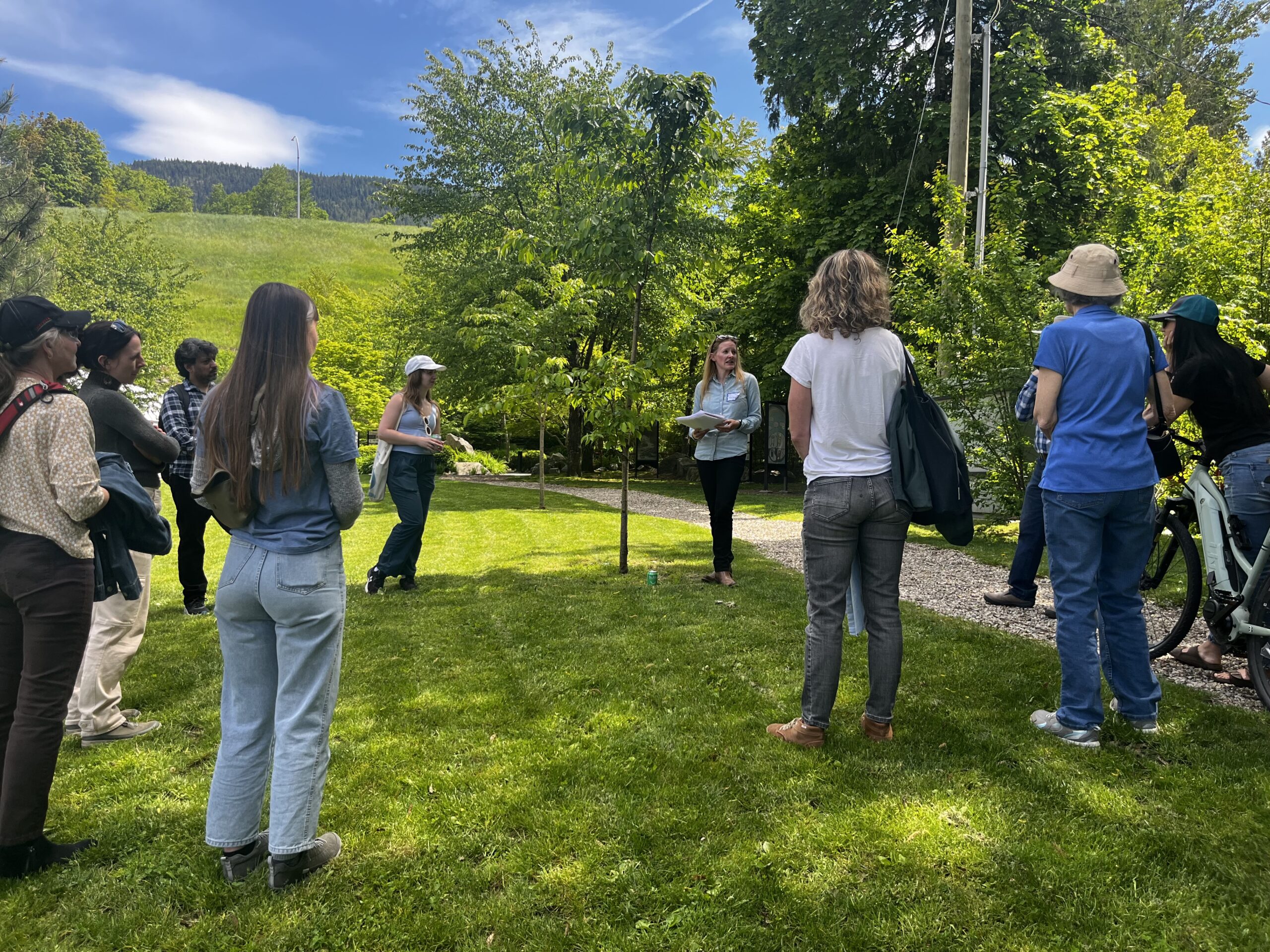
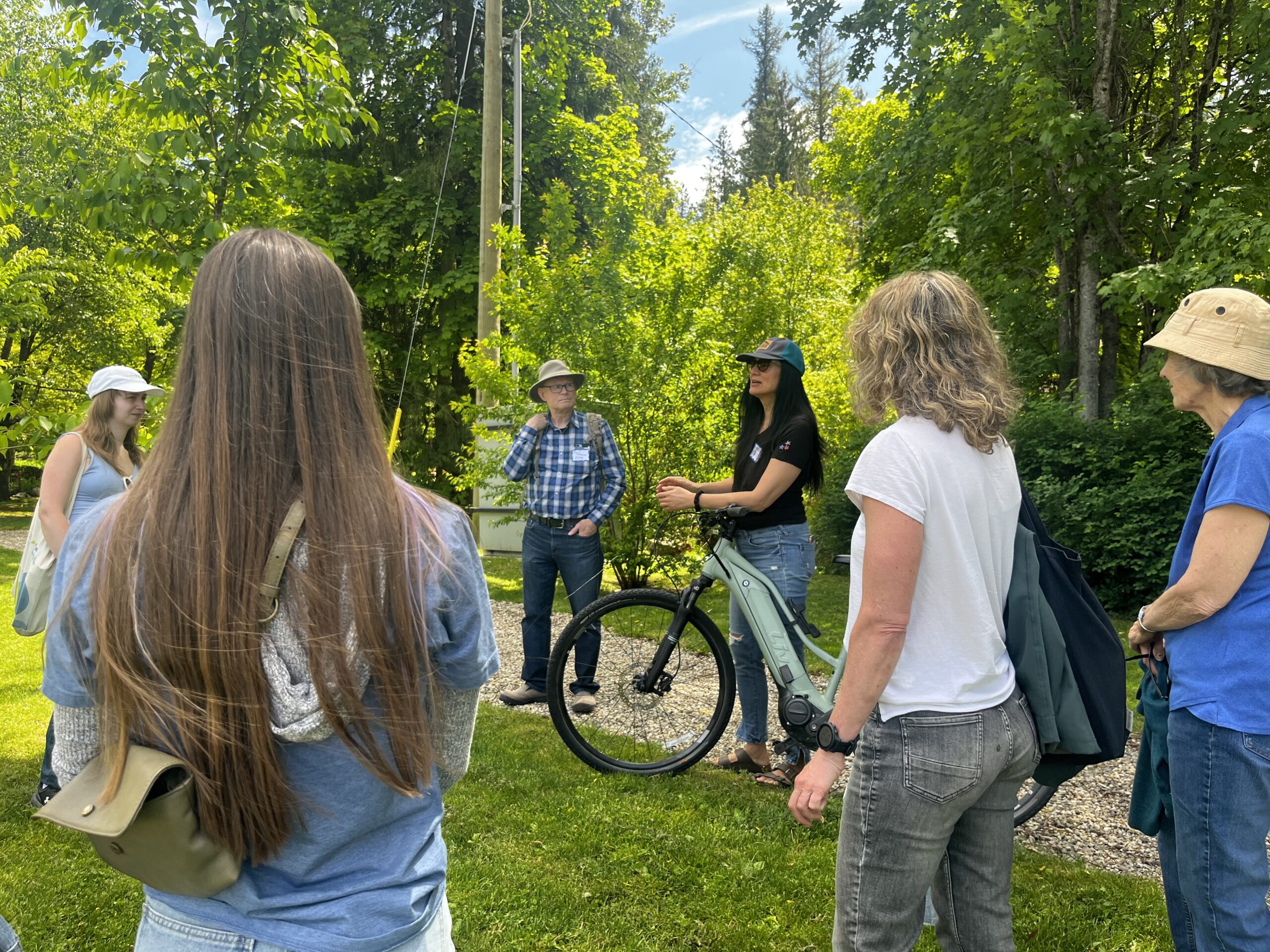
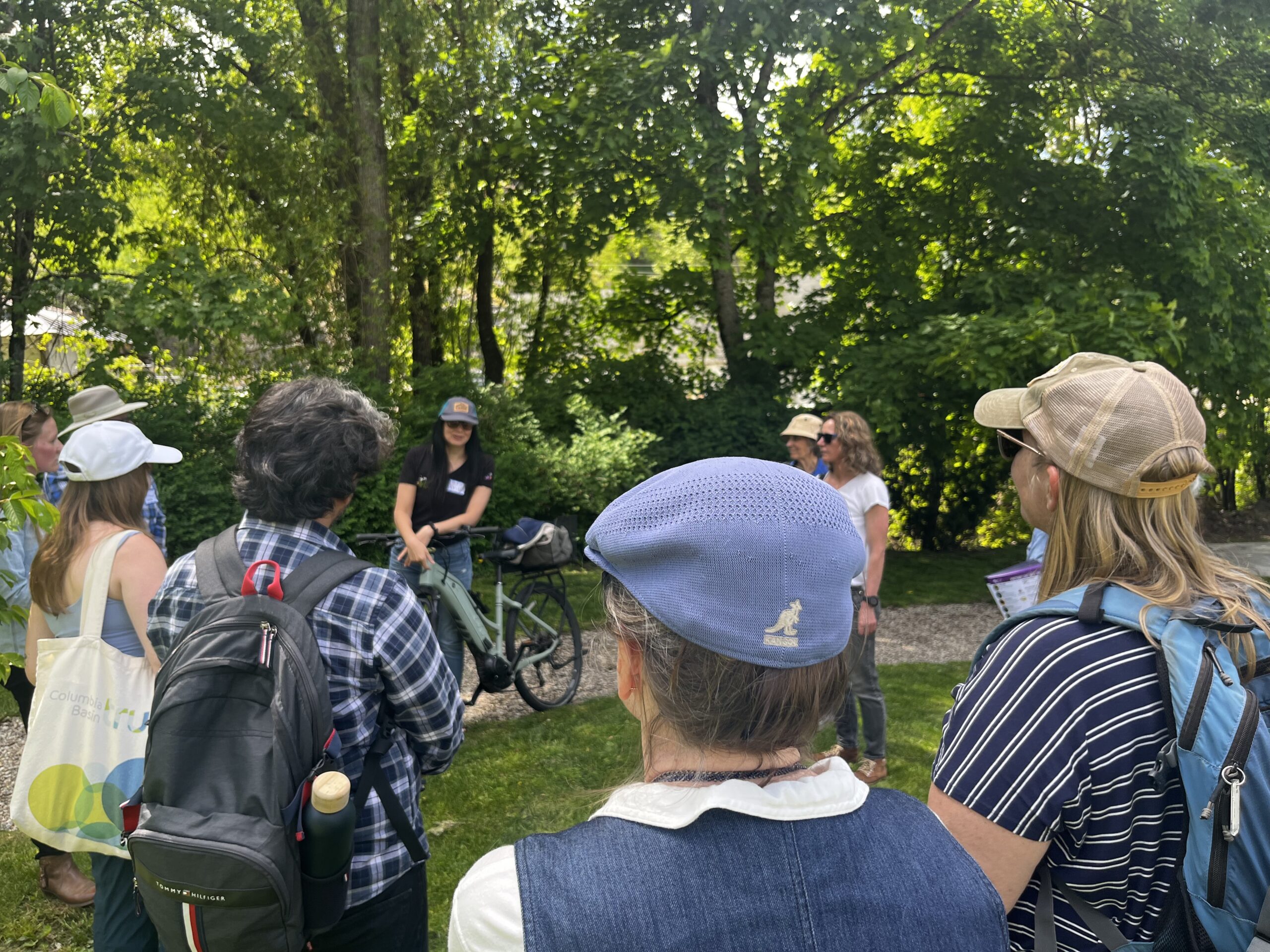
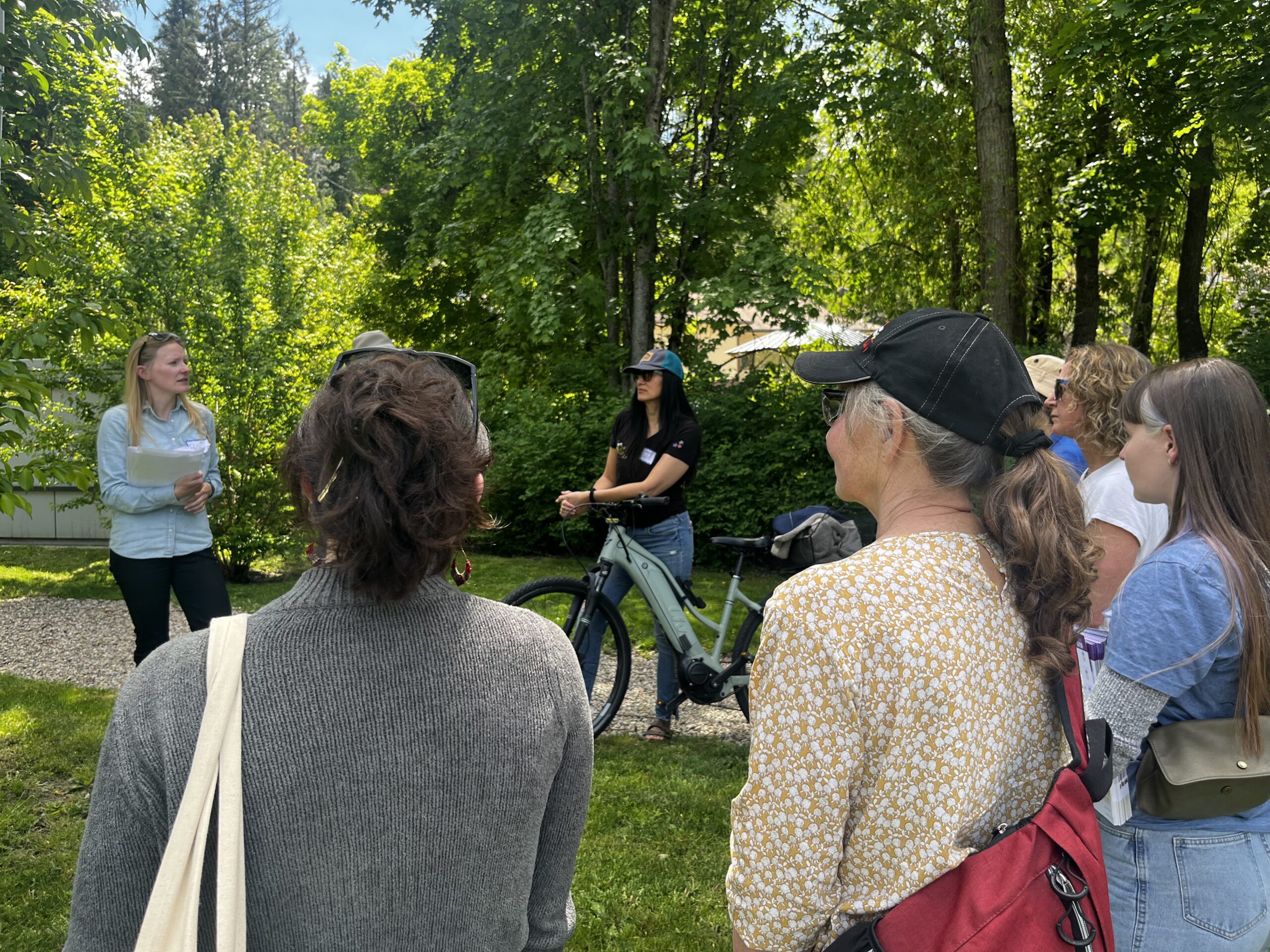
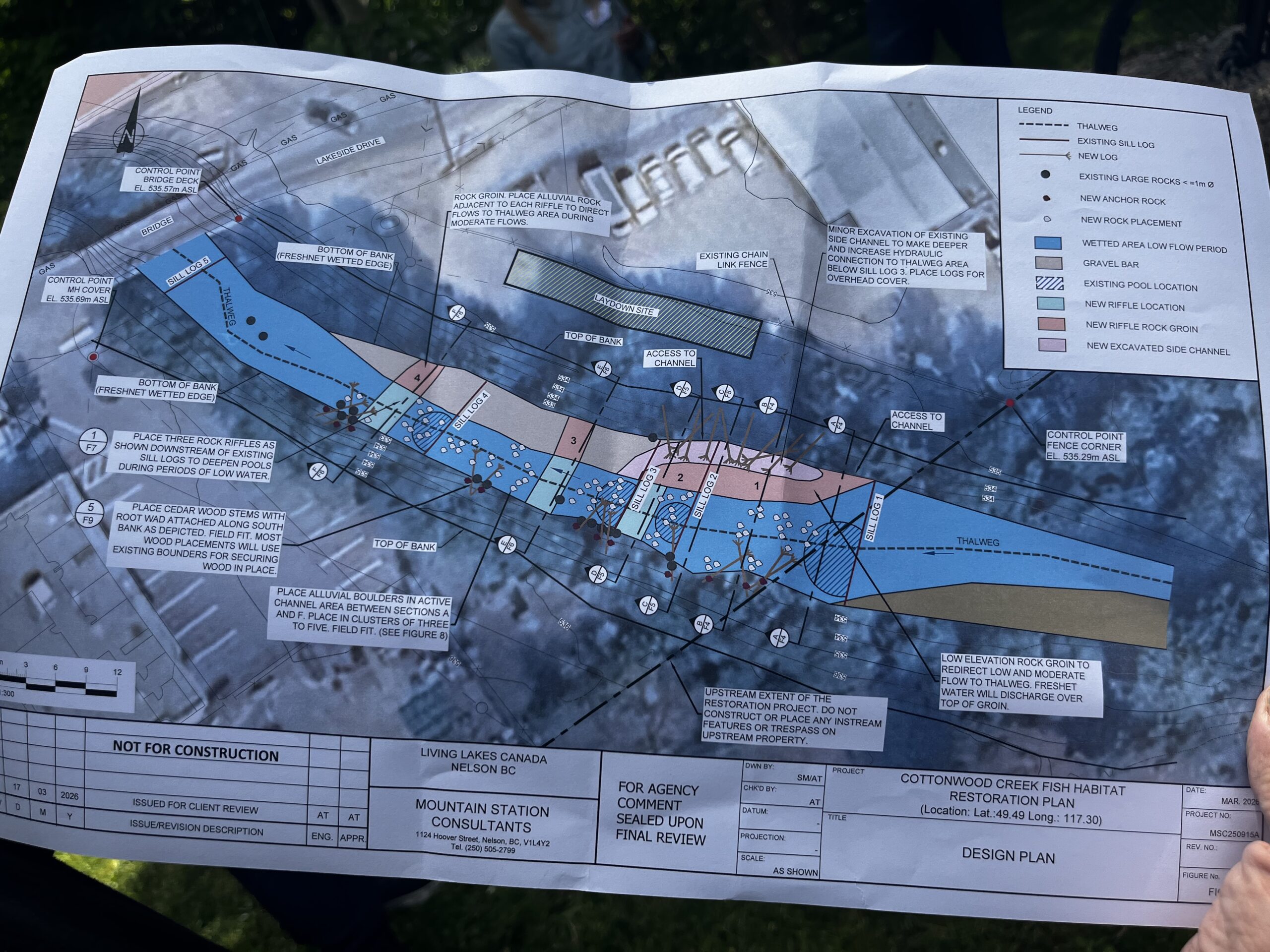
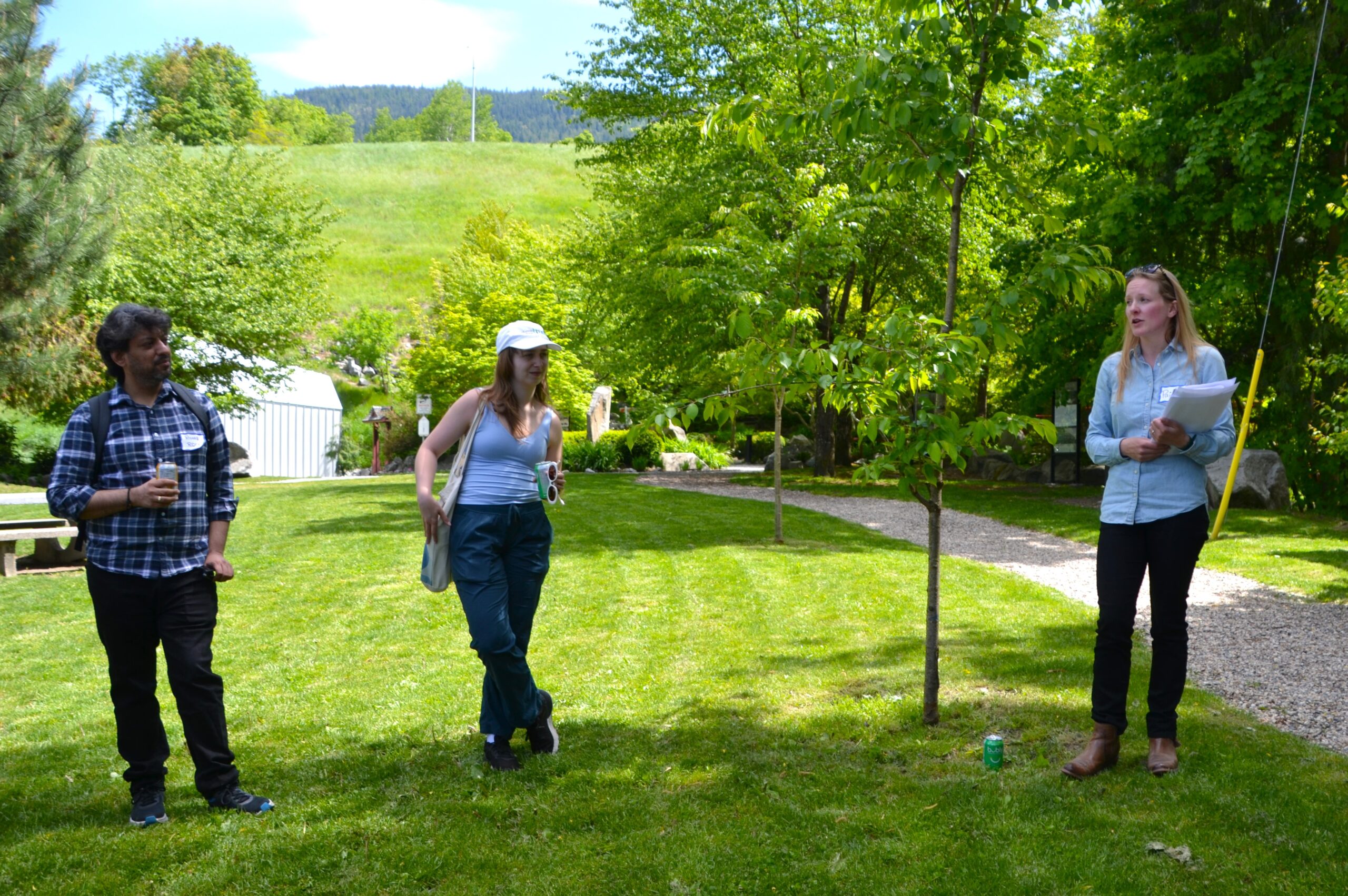
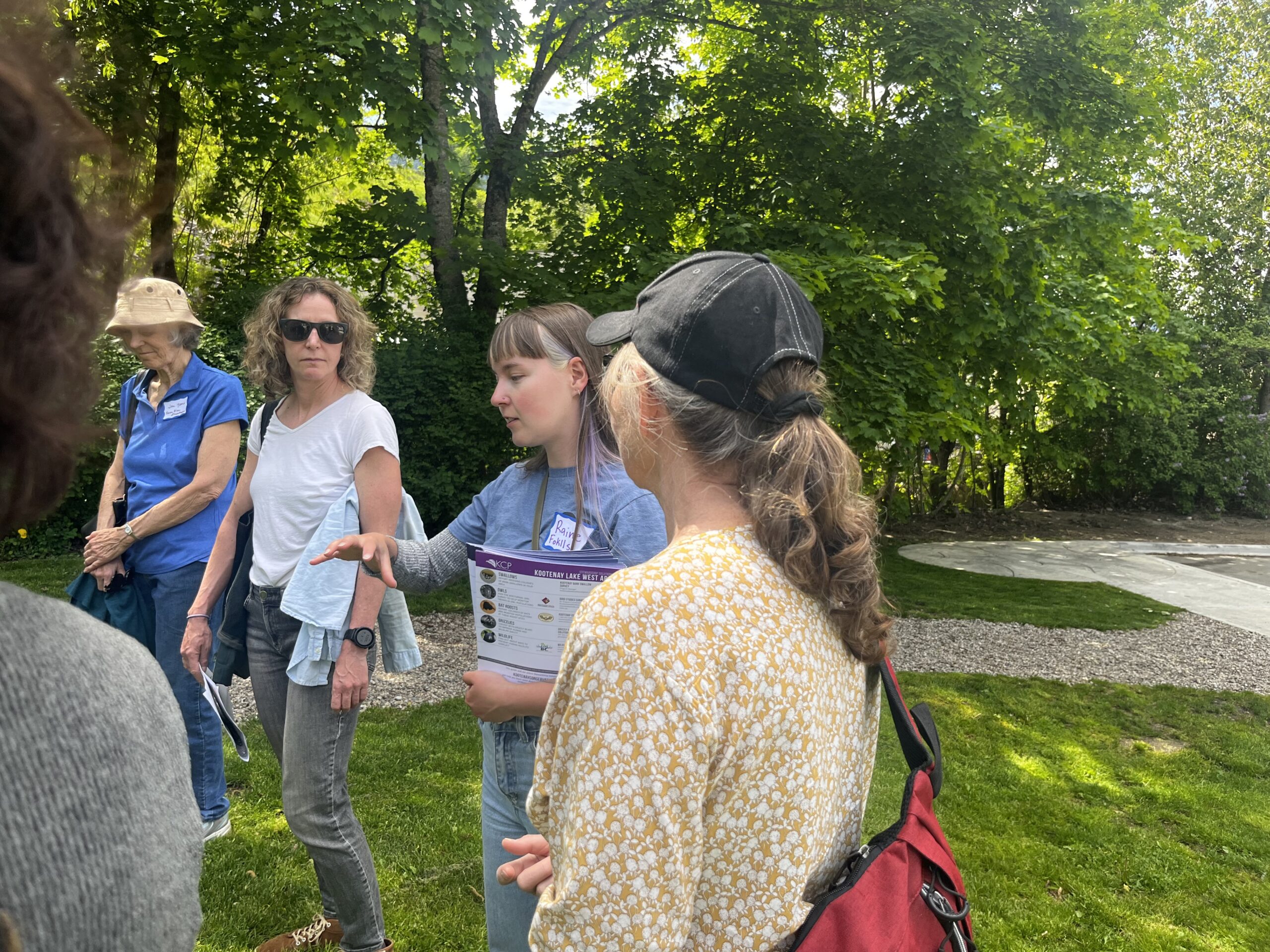
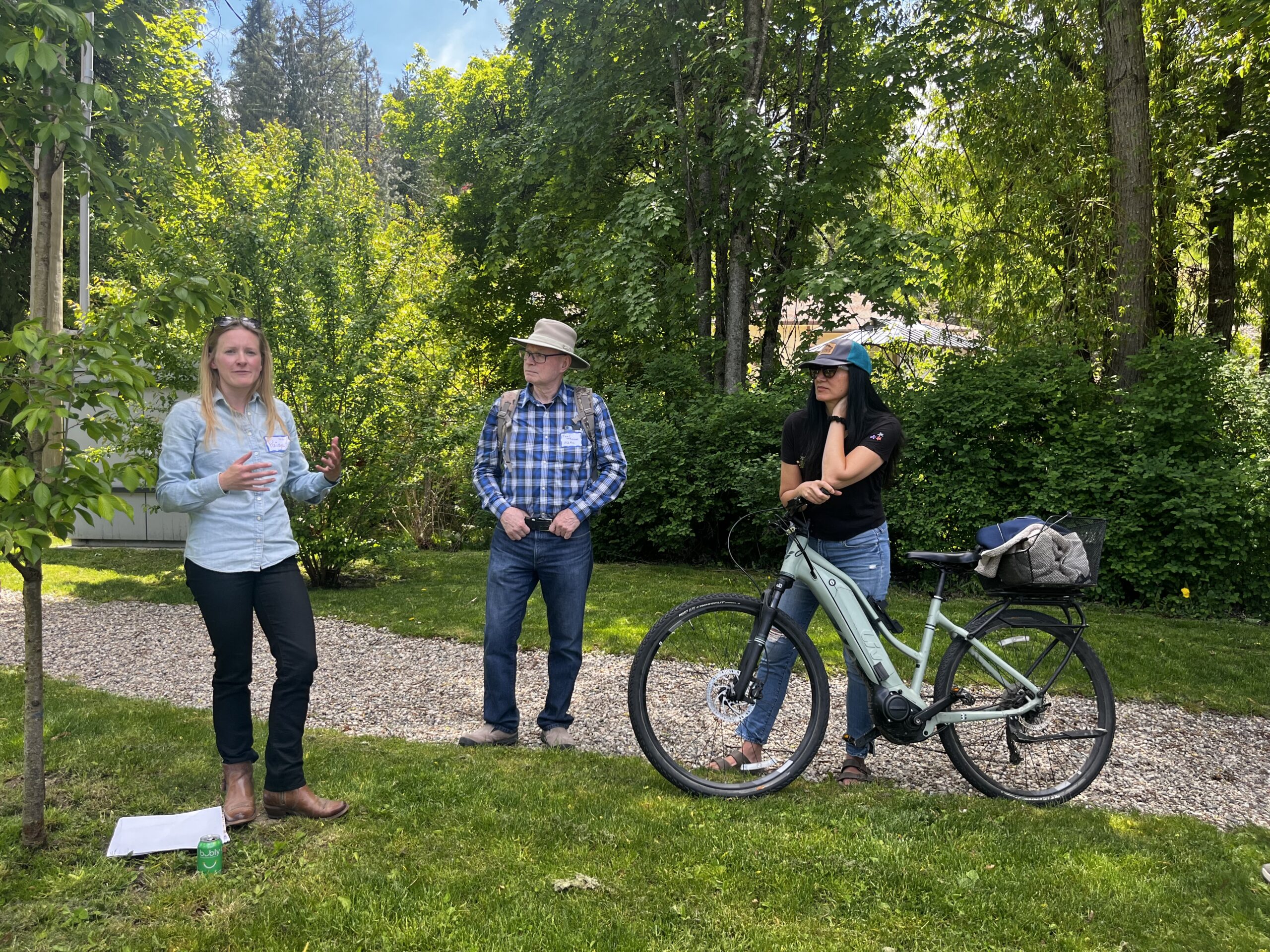
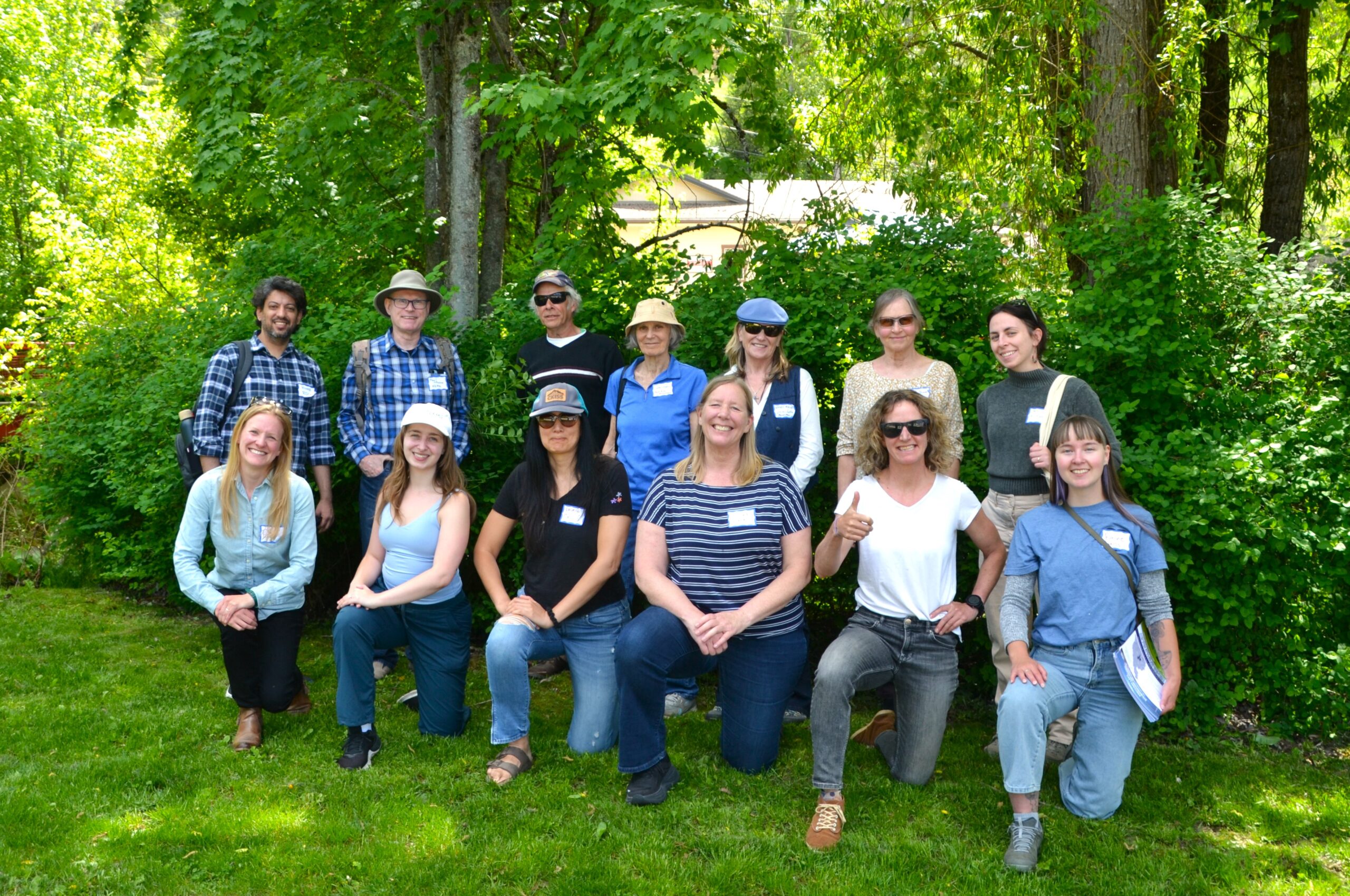
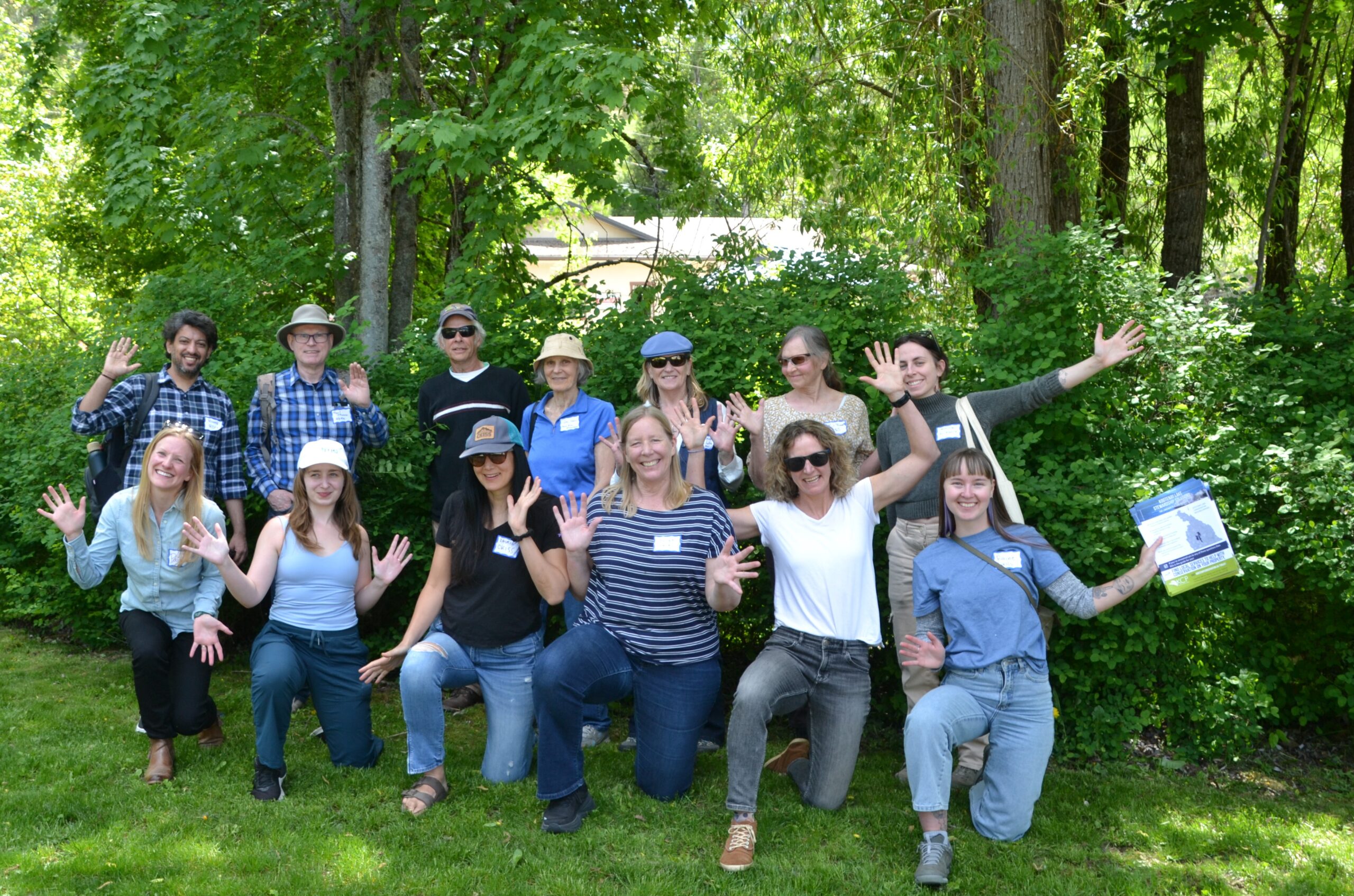
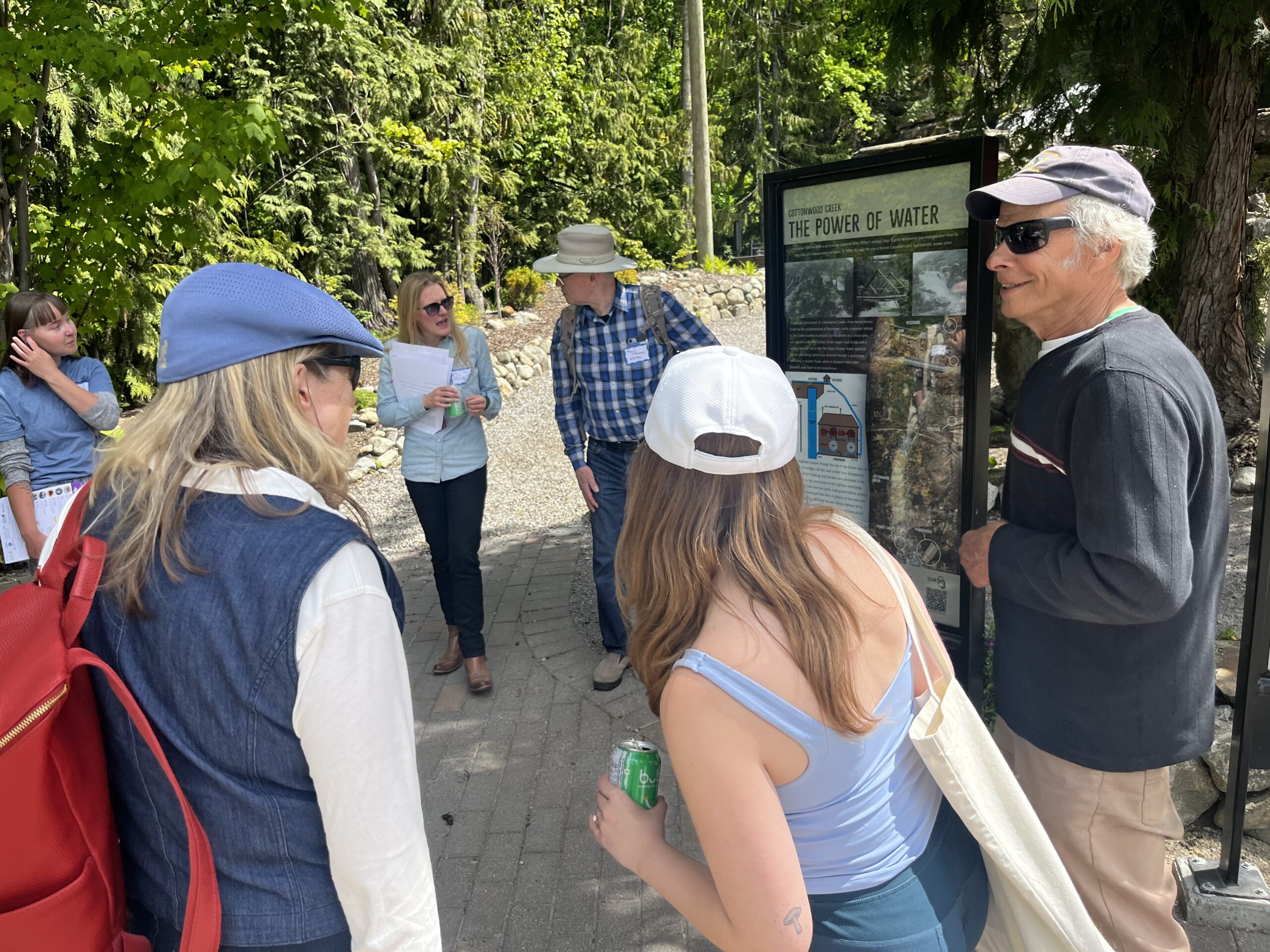
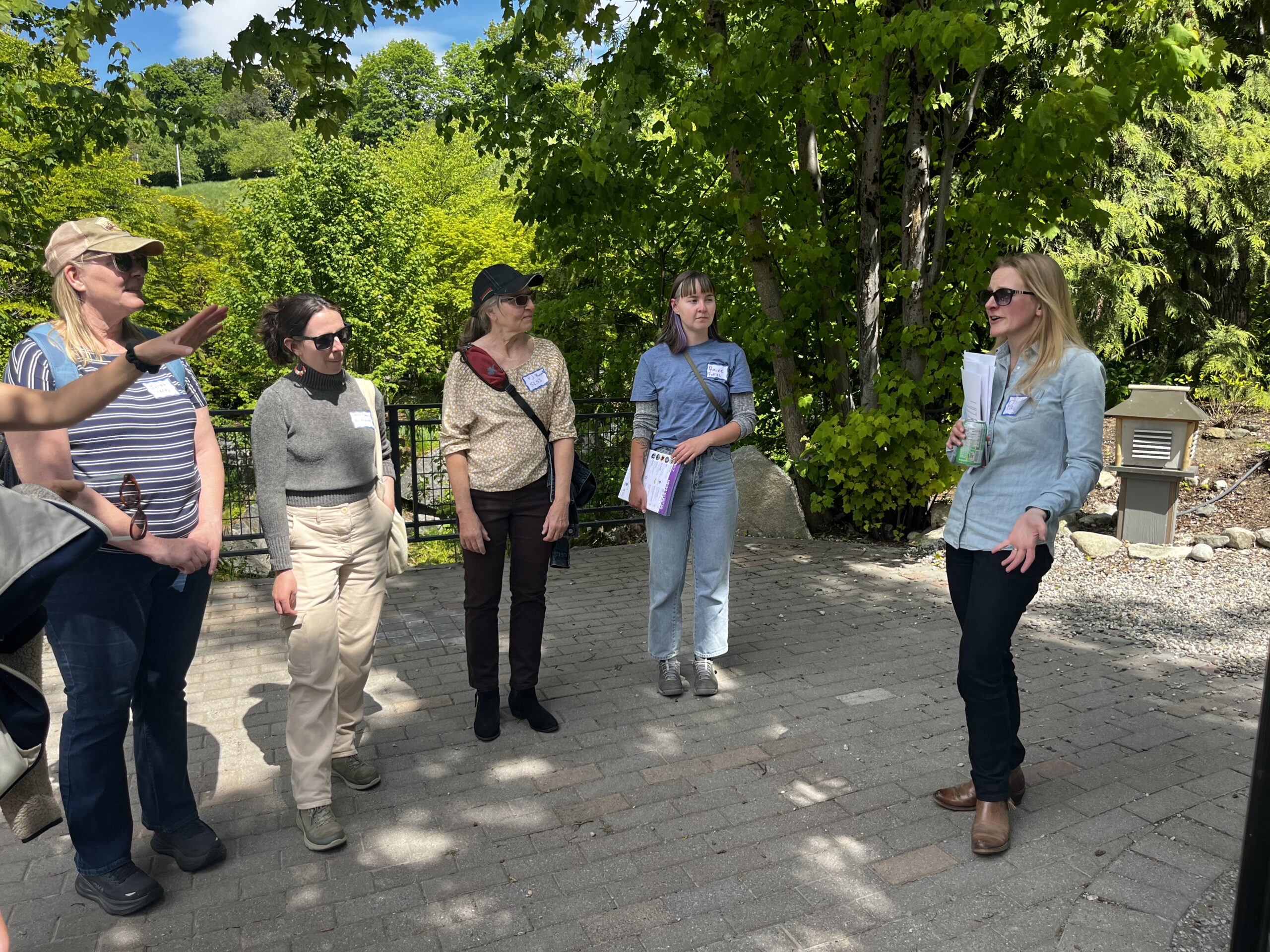
Each morning meeting was followed by a local field tour in the afternoon. The West Kootenay field tour was a walking tour along Cottonwood Creek to Cottonwood Falls Park. Paige Thurston with Living Lakes Canada gave an overview and update about the Cottonwood Creek Restoration Project, a collaboration between Living Lakes, the Nelson District Rod & Gun Club, and Friends of Kootenay Lake Stewardship Society (FoKLSS). Paul Thomas with the Nelson District Rod & Gun Club talked about the importance of the project to the club, and their contributions, and Raine Freeman with FoKLSS shared insights about the value of nature connection within this urban setting, and an update on the community stream and beach clean-ups coordinated by FoKLSS. After a discussion about the challenges and benefits of riparian restoration, we walked to Cottonwood Falls and the site of B.C.’s first hydroelectric generating facility, to finish the tour.
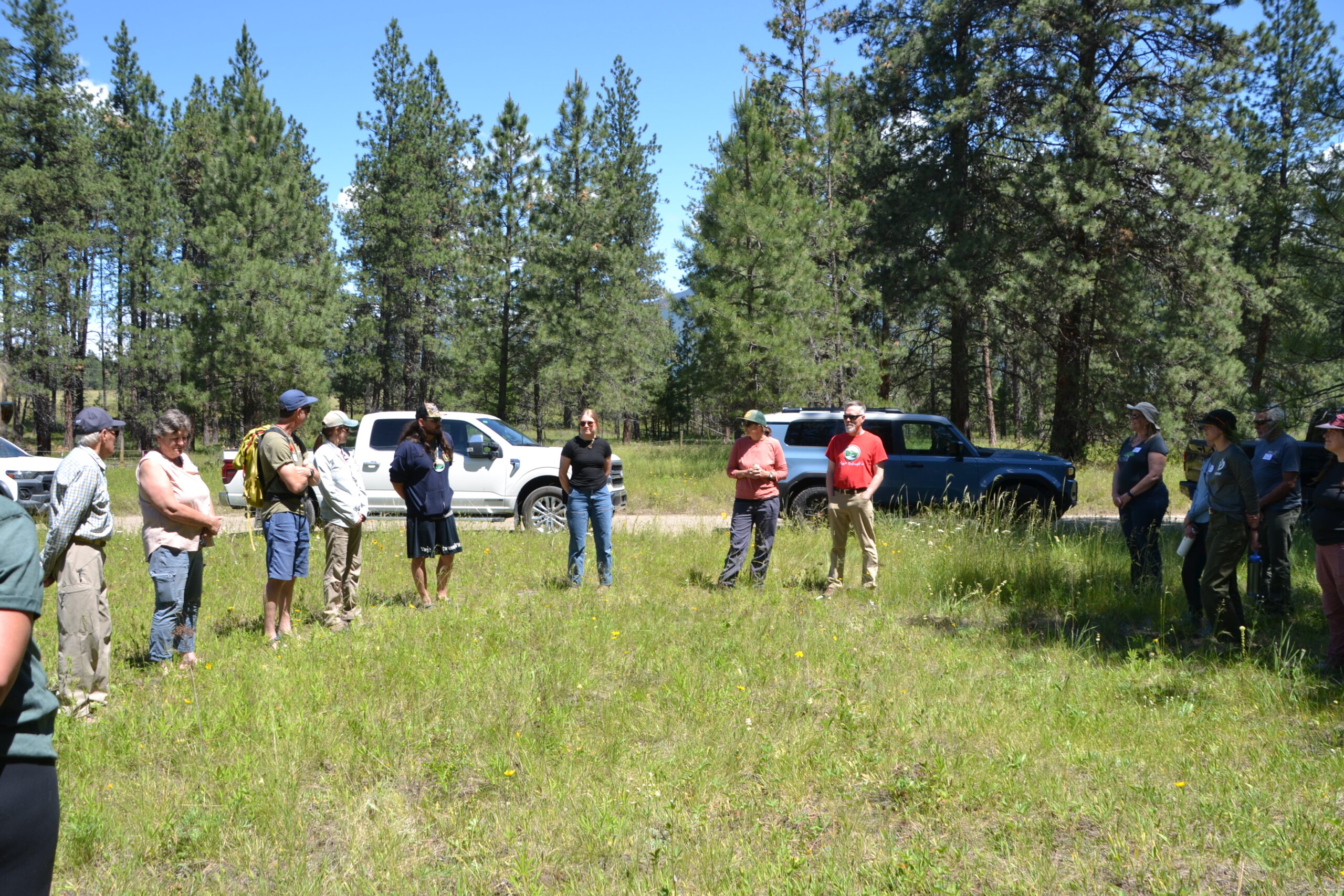
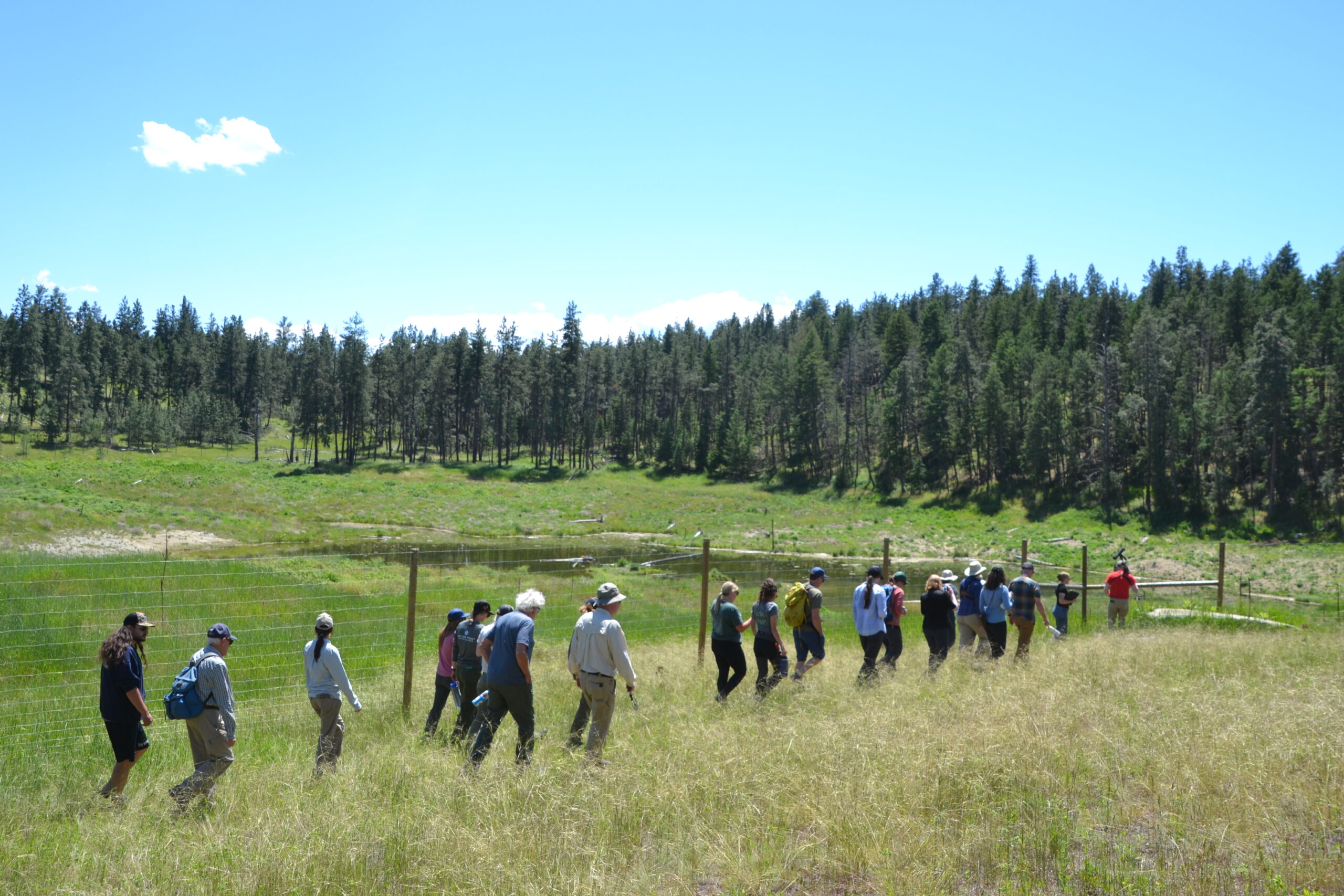
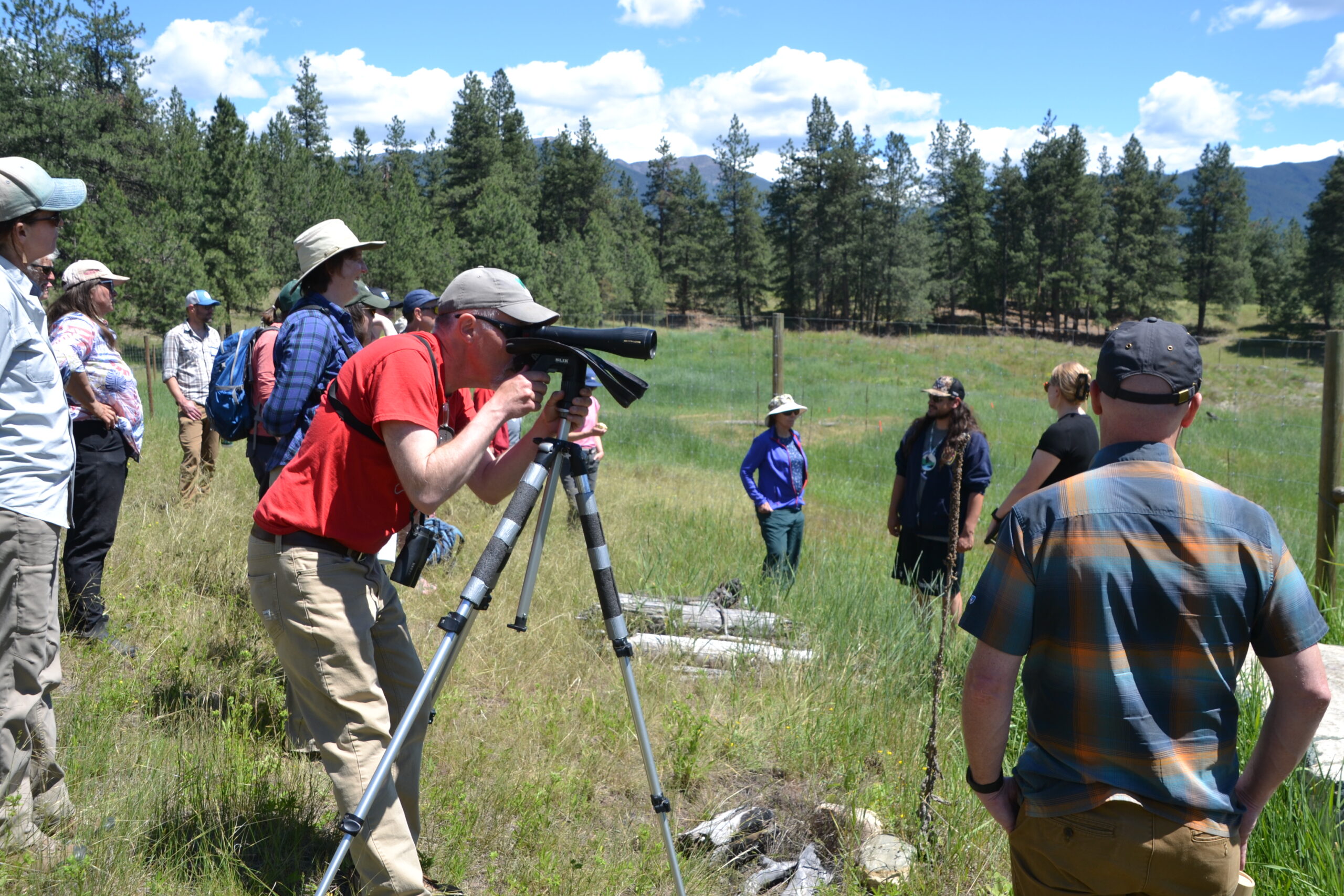
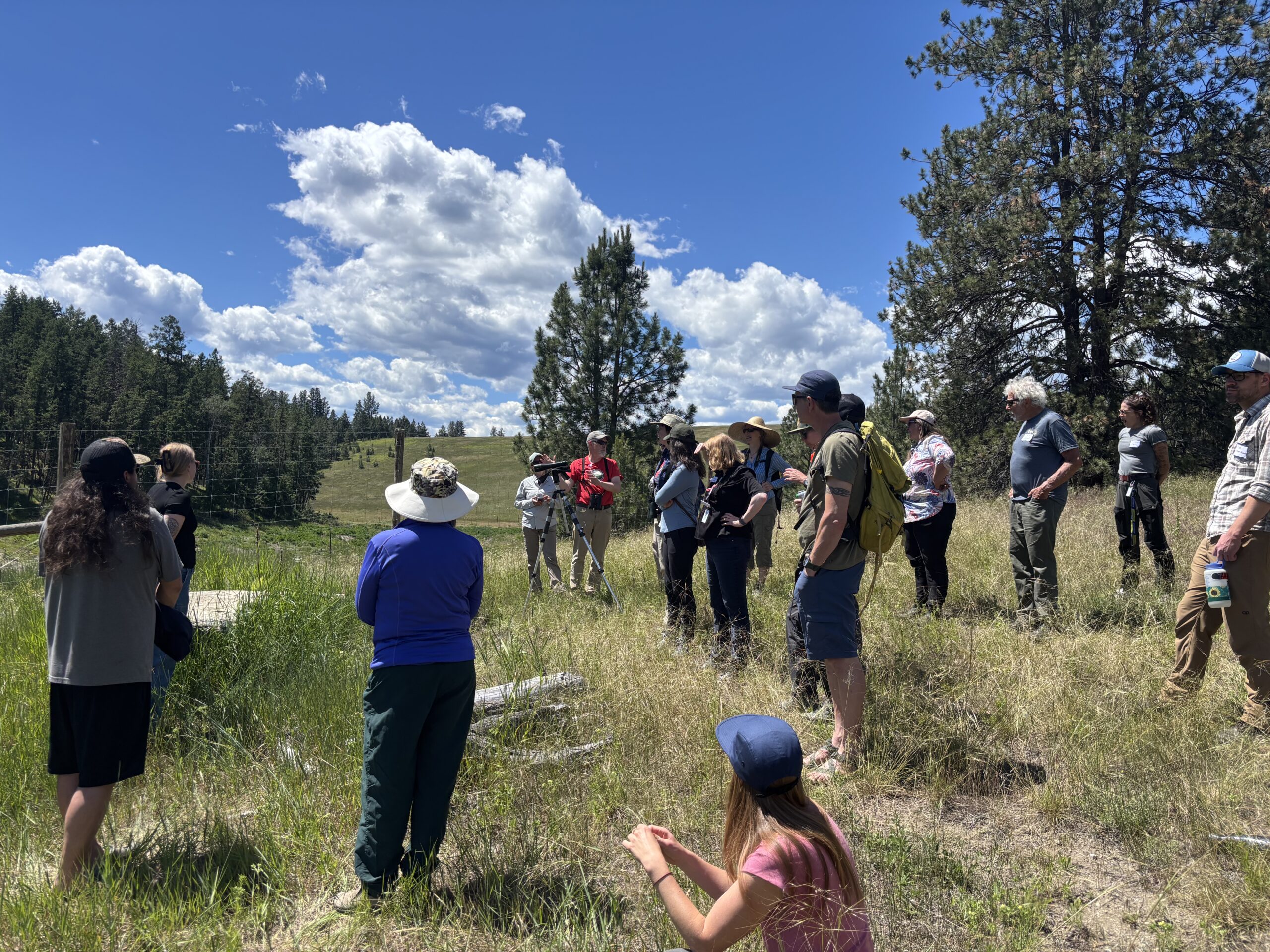
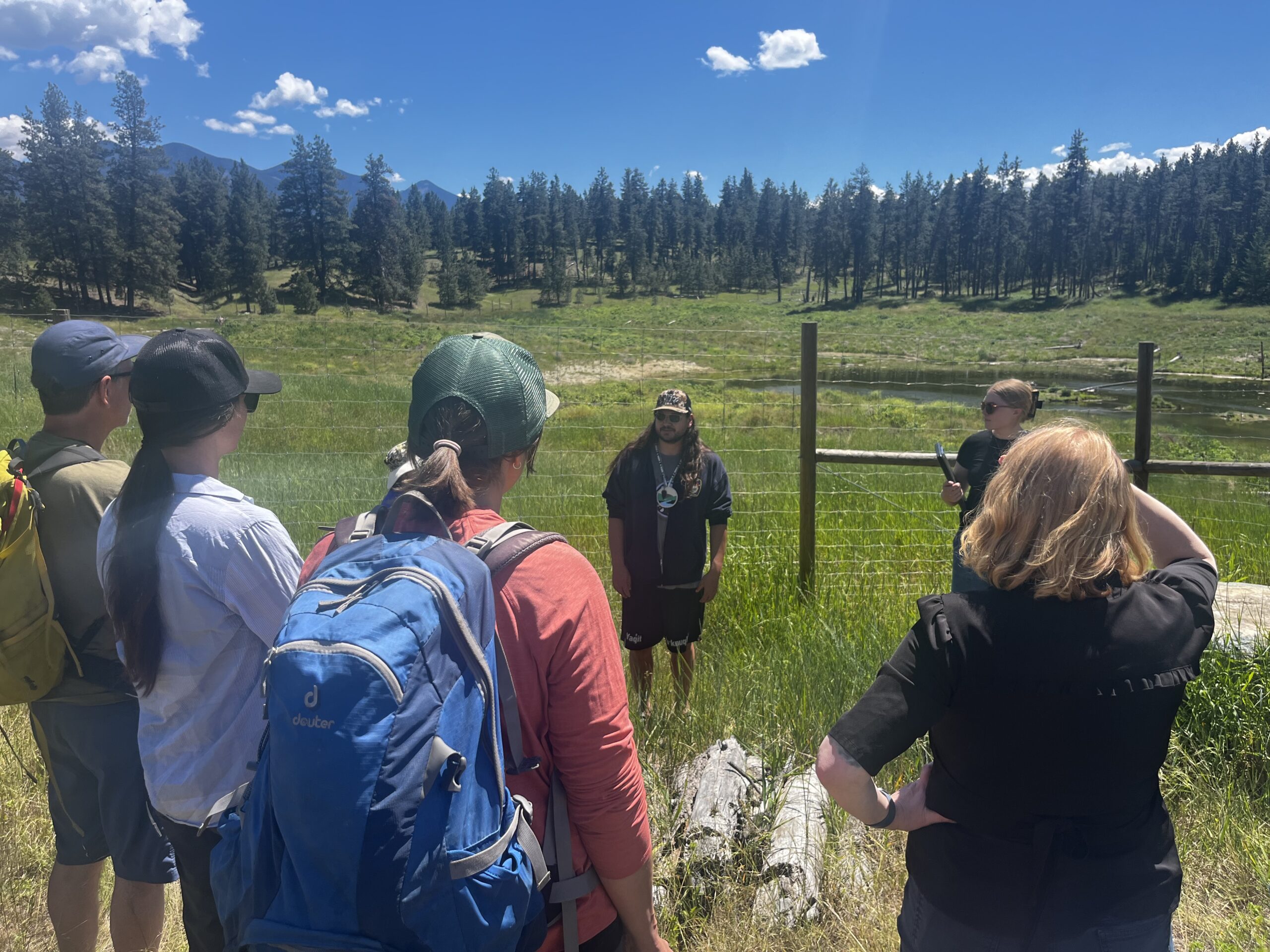
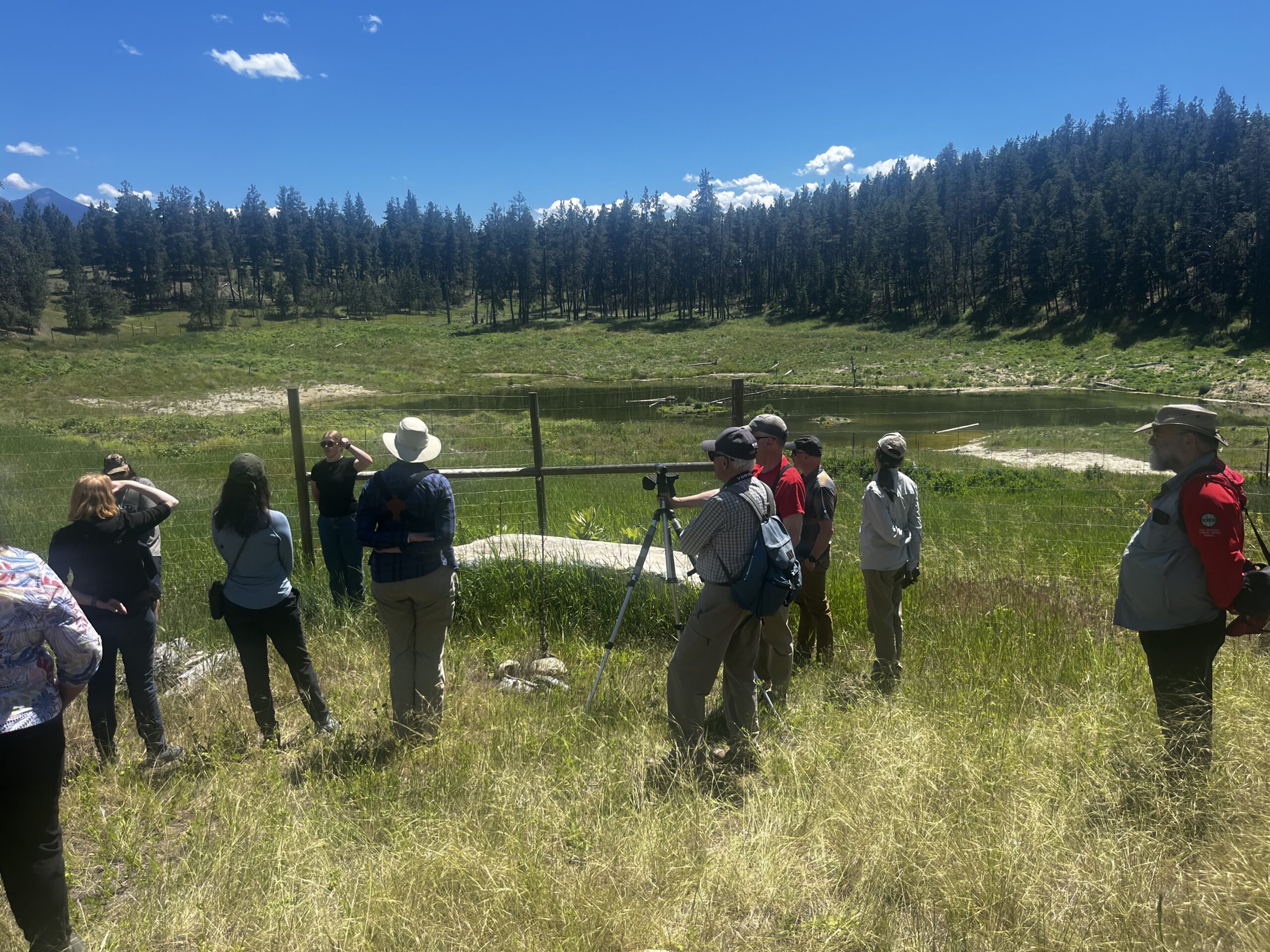
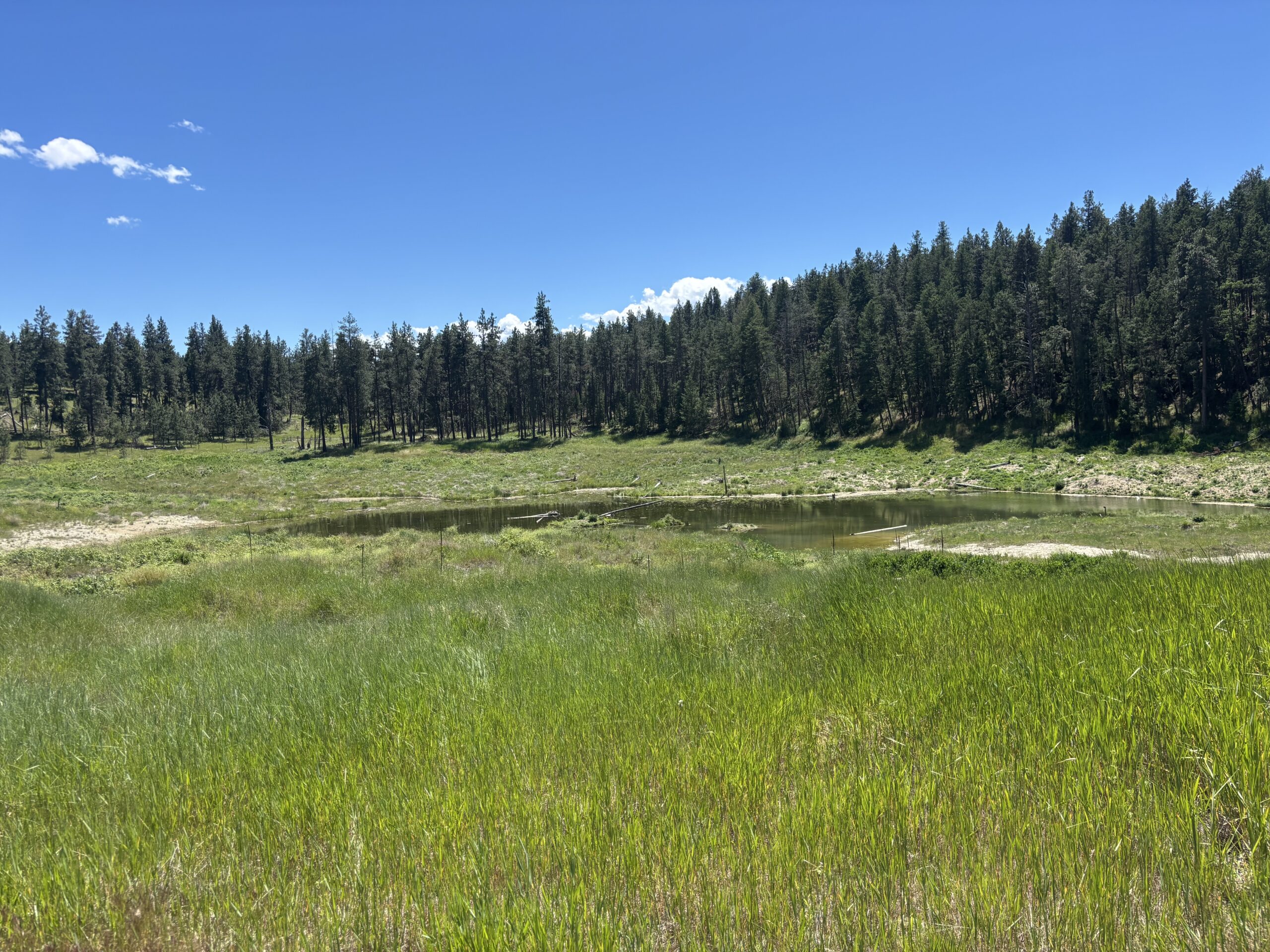
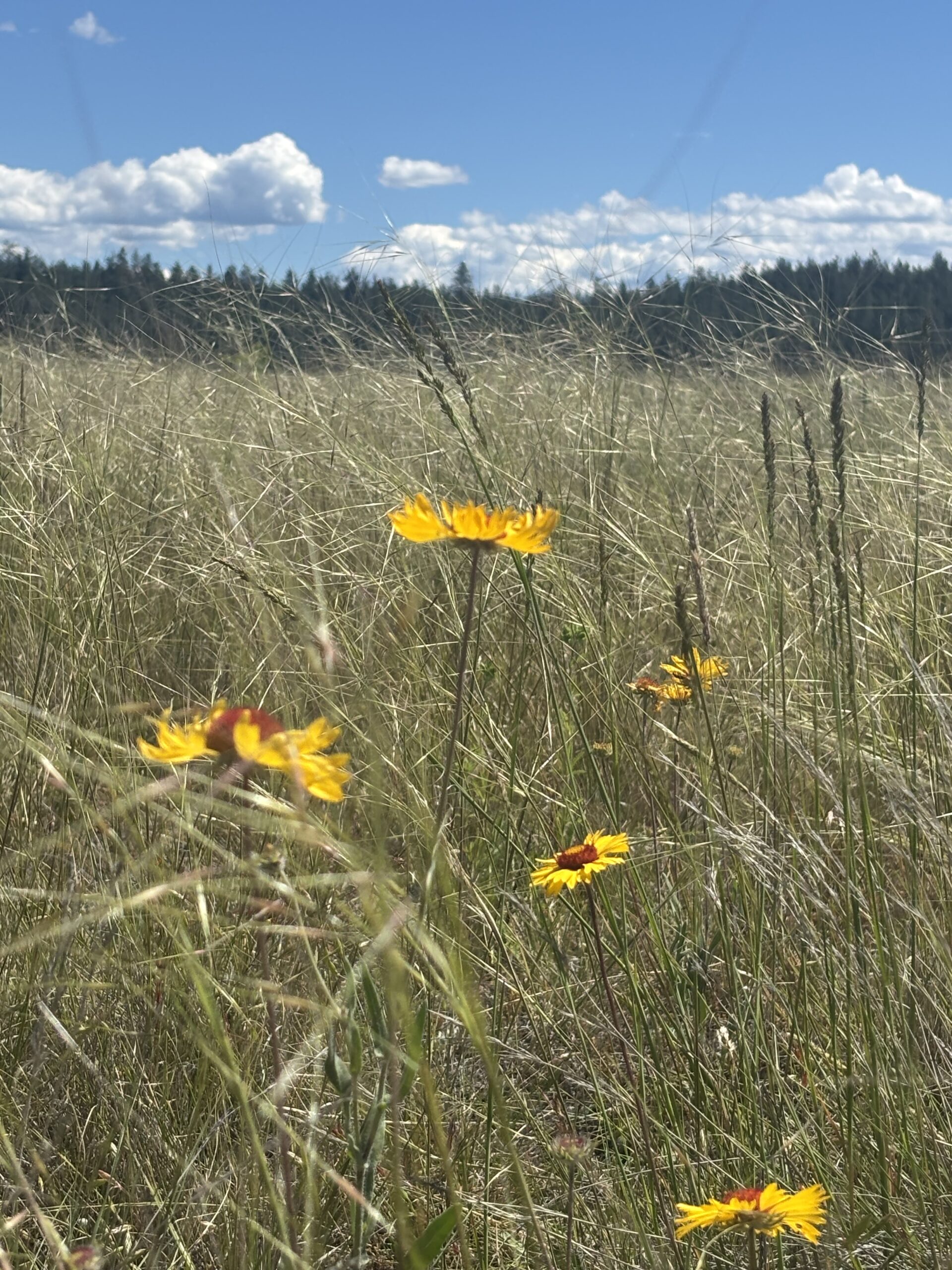
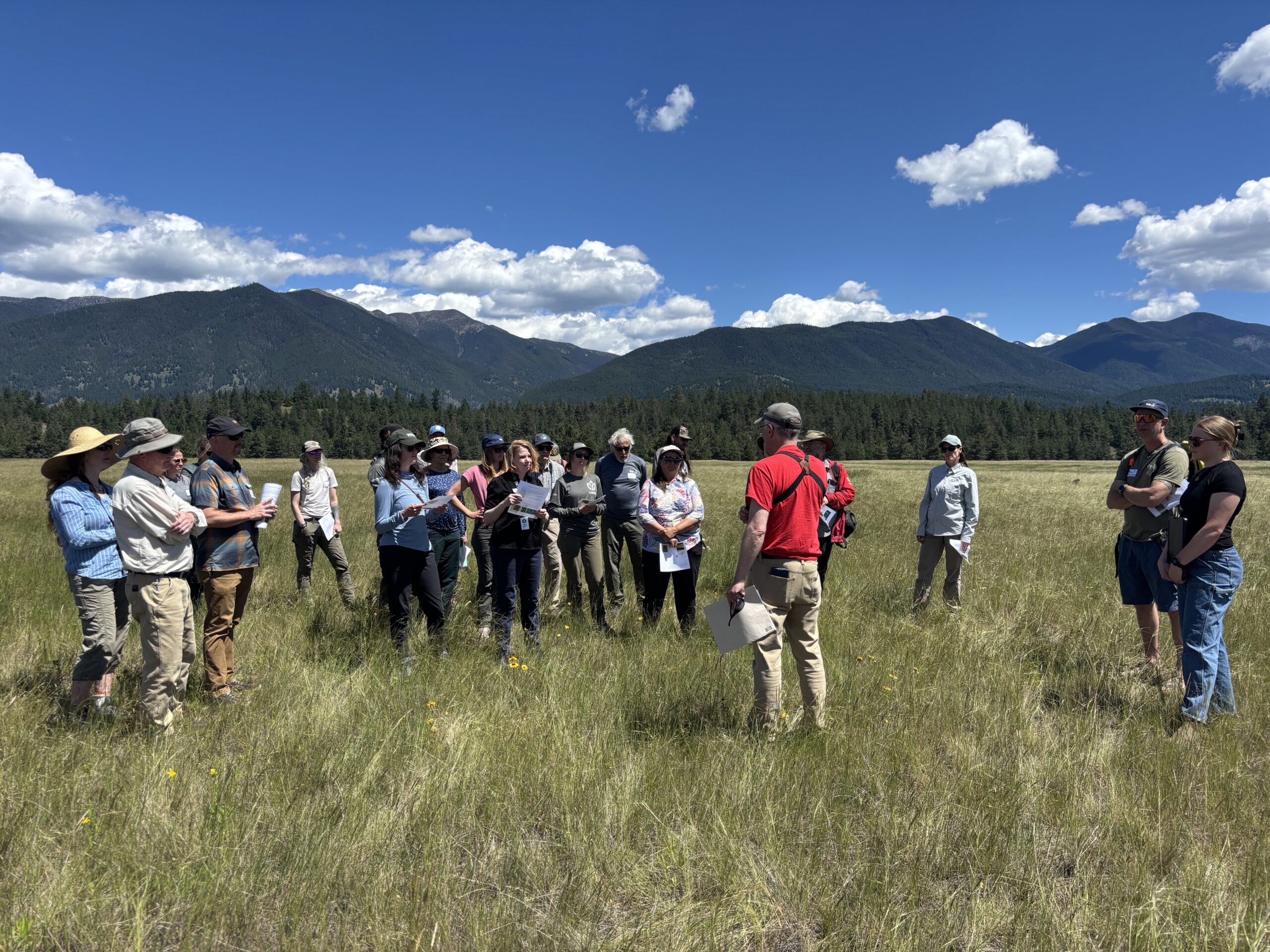
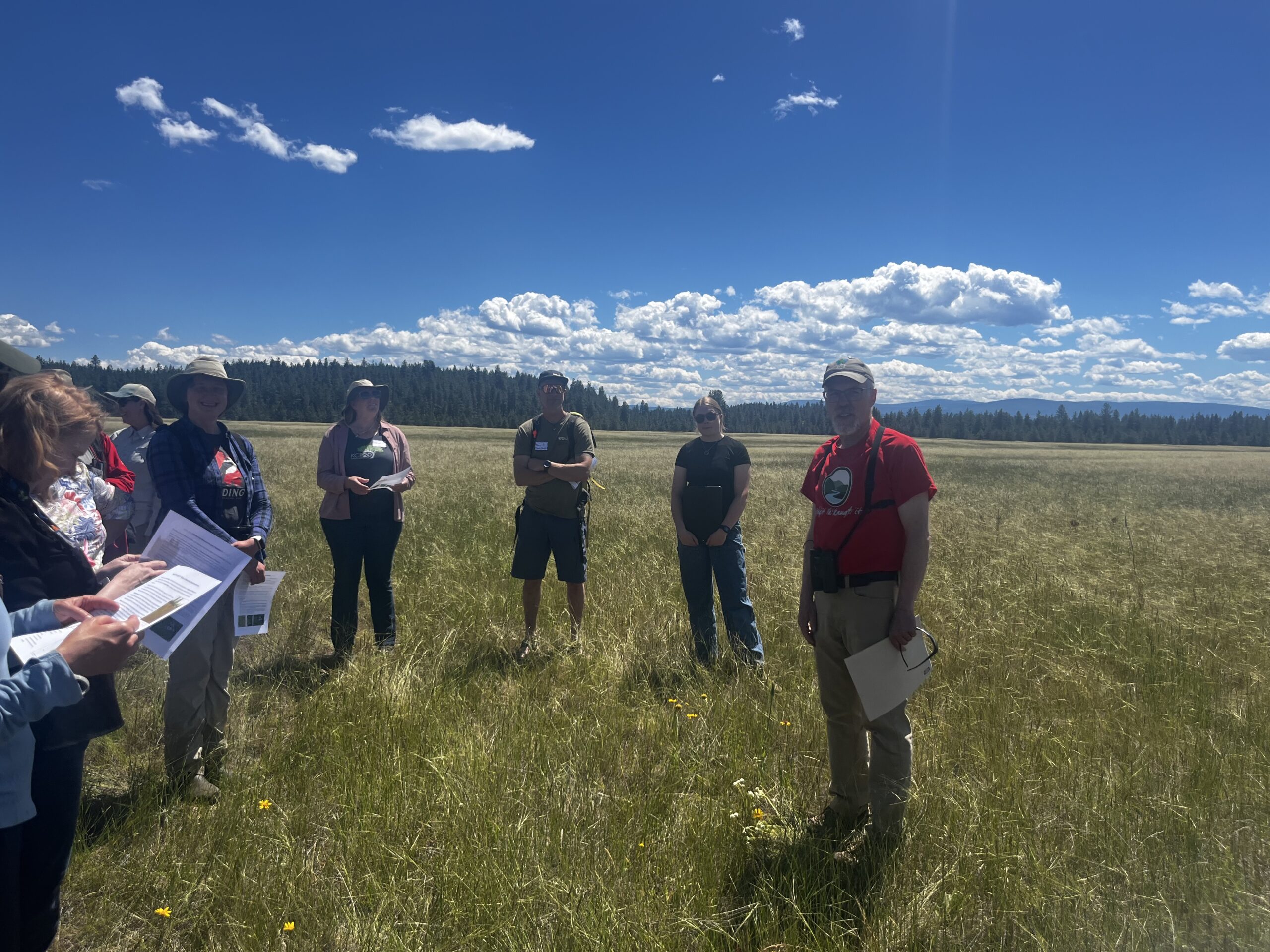
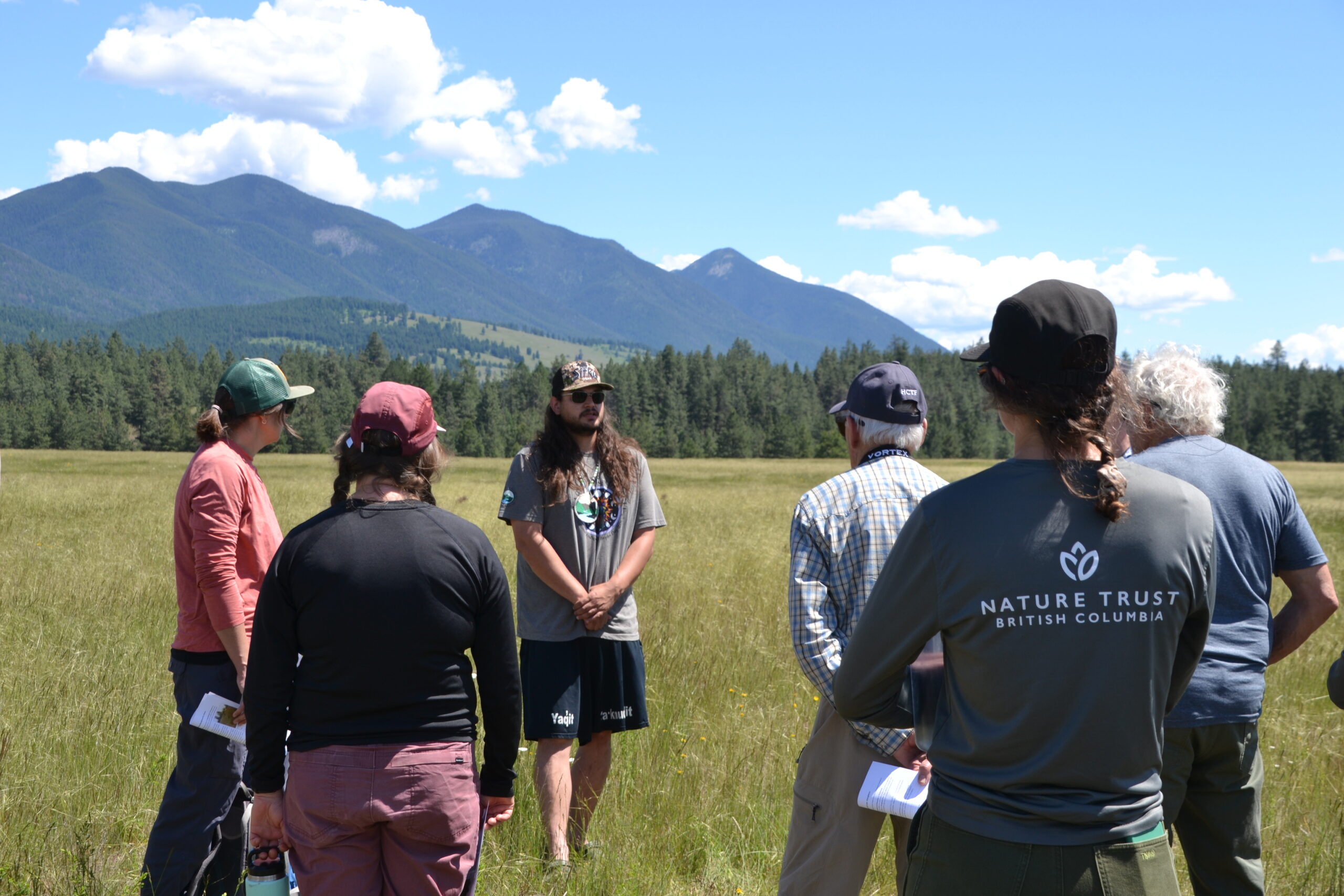
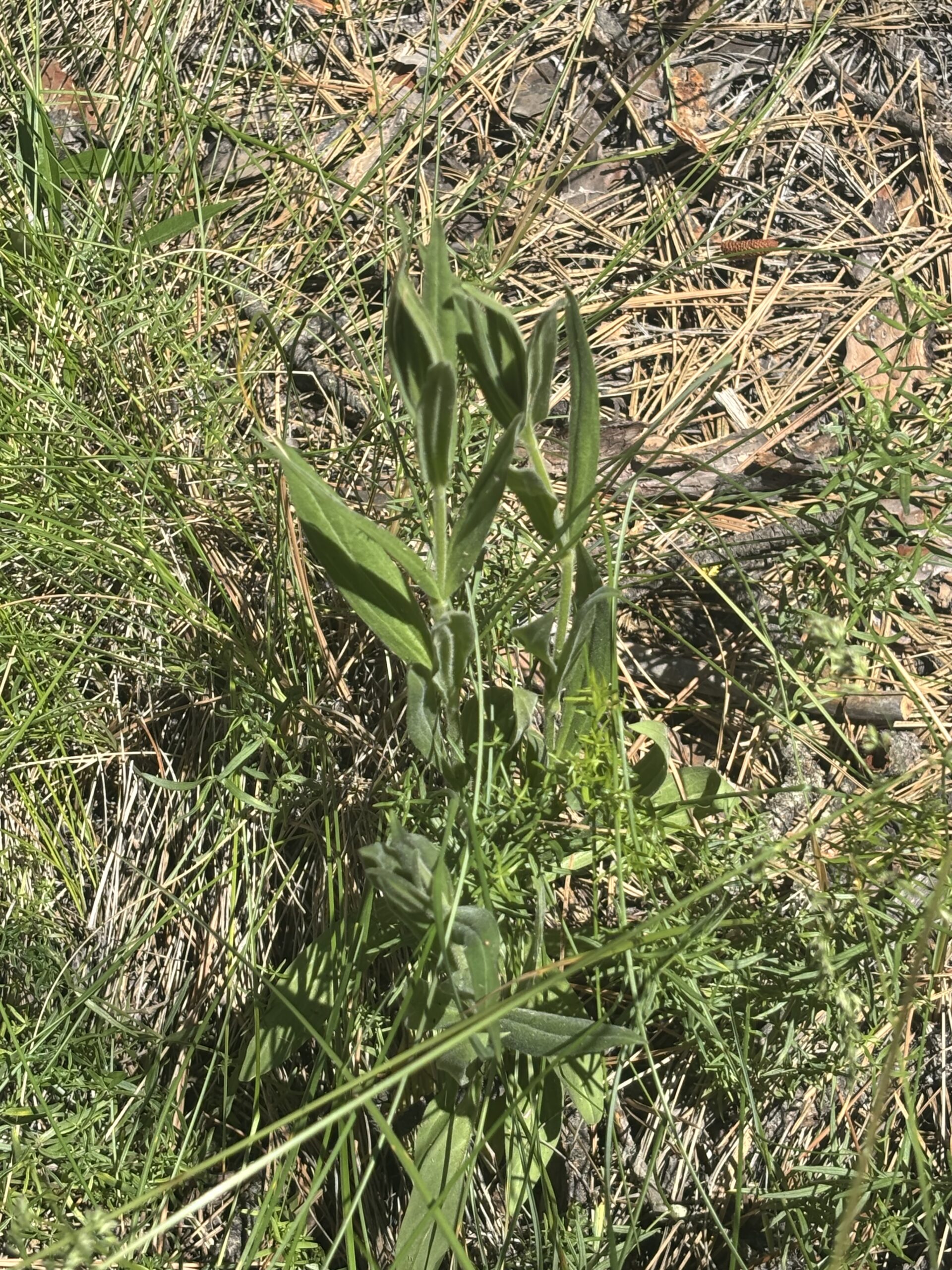
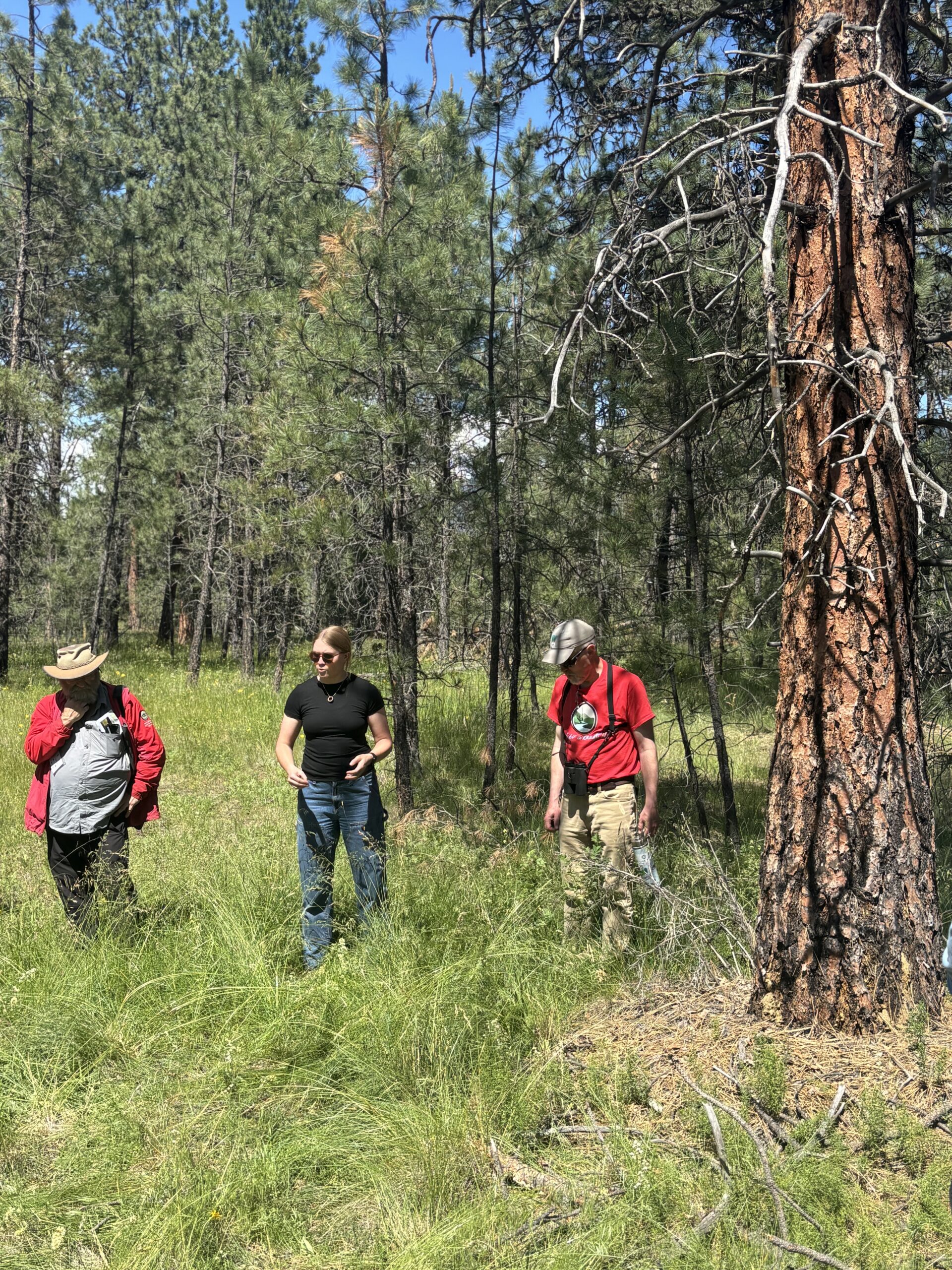
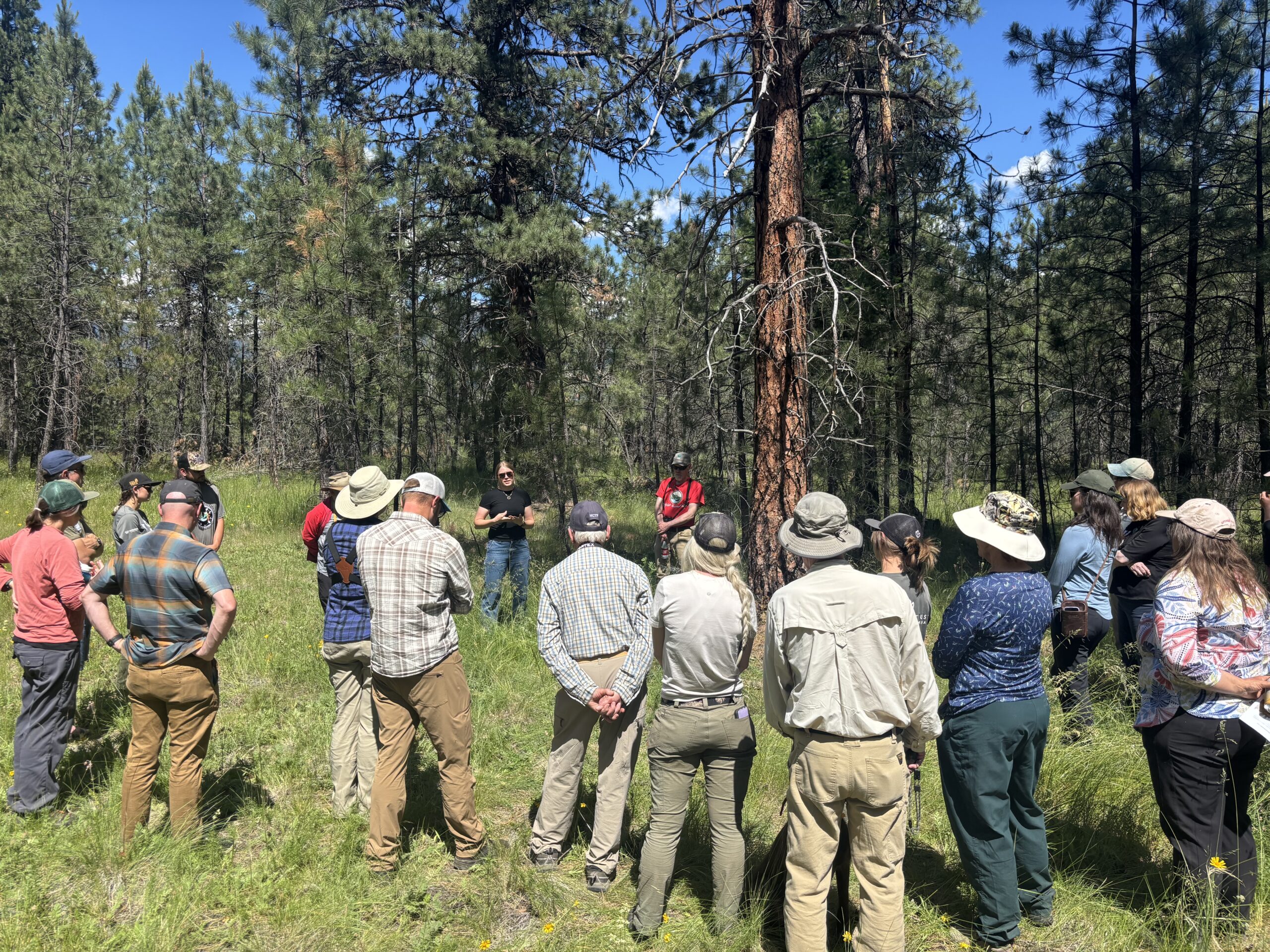
In the East Kootenay, the field tour was co-hosted with Yaq̓it ʔa·knuqⱡi’it Nation. After a round of introductions, we toured a vital wetland restoration project at Shottanana Lake, which provides habitat for ungulate species and the at-risk western painted turtle. This was followed by a visit to a stunning and unique grassland site that has been designated as a ‘Key Biodiversity Area’ (KBA). We discovered more about the unique features of this area that had it designated as a KBA and were lucky enough to see an endangered Spalding’s campion (Silene spaldingii) plant on this beautiful sunny day. We are very grateful to the field tour leaders: Avery Gravelle and Emily de Freitas with Yaq̓it ʔa·knuqⱡi’it Nation, and Ian Adams, the BC KBA Coordinator with Wildlife Conservation Society Canada.
West Kootenay – May 21
East Kootenay – June 18